1.The Setting: A Train Journey Gone Awry
The Plymouth Express serves as a microcosm of society, with its passengers representing various walks of life. The train journey sets the stage for the unfolding drama, emphasizing the isolation and confinement that comes with being on a moving vehicle. The December chill adds a layer of discomfort, mirroring the tension that builds throughout the story. As Lieutenant Simpson settles into his compartment, the atmosphere is thick with foreboding, a stark contrast to the ordinary journey he expects. The train, often seen as a means of escape, becomes a trap as the events spiral into chaos. This setting not only enhances the suspense but also allows for a closed environment where trust is scarce and danger lurks just beneath the surface, creating a fertile ground for a thrilling mystery.
2.The Intriguing Introduction of Lieutenant Simpson

Lieutenant Alec Simpson is introduced as a seemingly ordinary naval officer, yet his character becomes pivotal in the mystery. His initial actions, such as his peculiar insistence on keeping his suitcase on the seat, hint at deeper complexities. The suitcase, which later becomes a focal point of the investigation, symbolizes the hidden secrets that everyone carries. Simpson's background, including the trauma from a previous hospital operation on his leg, suggests a character grappling with his past as he attempts to navigate the present danger. His memories of pain and recovery add layers of depth to his persona, illustrating how personal history can influence actions in moments of crisis. This duality of normalcy and hidden depth makes him a compelling character, inviting readers to question what lies beneath the surface of each individual aboard the train. His struggles become a reflection of the unpredictability of life and the facade of composure that people often maintain.
3.Poirot's Arrival: The Master Detective at Work

Hercule Poirot's entrance into the narrative marks a turning point, as he embodies the essence of logic and deduction. His reputation precedes him, and his keen observational skills quickly establish him as the key figure in solving the mystery. Poirot’s meticulous nature and insistence on order contrast sharply with the chaos surrounding the murder, showcasing his ability to remain calm under pressure. As he begins to gather clues and interview witnesses, readers are treated to a masterclass in deduction, with each piece of information meticulously analyzed. Poirot's confidence in his 'little gray cells' serves as a reminder of the power of intellect over brute force, emphasizing the importance of reason in unraveling complex situations. His systematic approach not only drives the plot forward but also serves as a guide for readers, encouraging them to engage in their own detective work. The way Poirot interacts with others, always probing for deeper truths, illustrates his understanding of human nature and the complexities of motivation.
4.The Role of Chloroform: A Clue to the Murder

The smell of chloroform that Lieutenant Simpson detects becomes a crucial element in the investigation. This detail not only foreshadows the impending violence but also serves as a tangible link to the murder that has occurred. Chloroform, often associated with stealth and subterfuge, raises questions about the identity of the murderer and their motives. The fact that Simpson immediately recalls its scent from his hospital days adds a layer of personal connection to the crime, heightening his emotional stakes in the situation. Poirot's recognition of this scent as a significant clue underscores his acute awareness of the subtleties that can lead to a breakthrough in the case. The presence of chloroform hints at a premeditated act, suggesting that the murder was not a crime of passion but rather a calculated endeavor. This insight speaks to the broader themes of deception and hidden agendas that permeate the narrative, as characters navigate their intentions beneath layers of civility and decorum.
5.The Investigation: A Web of Interconnected Lives
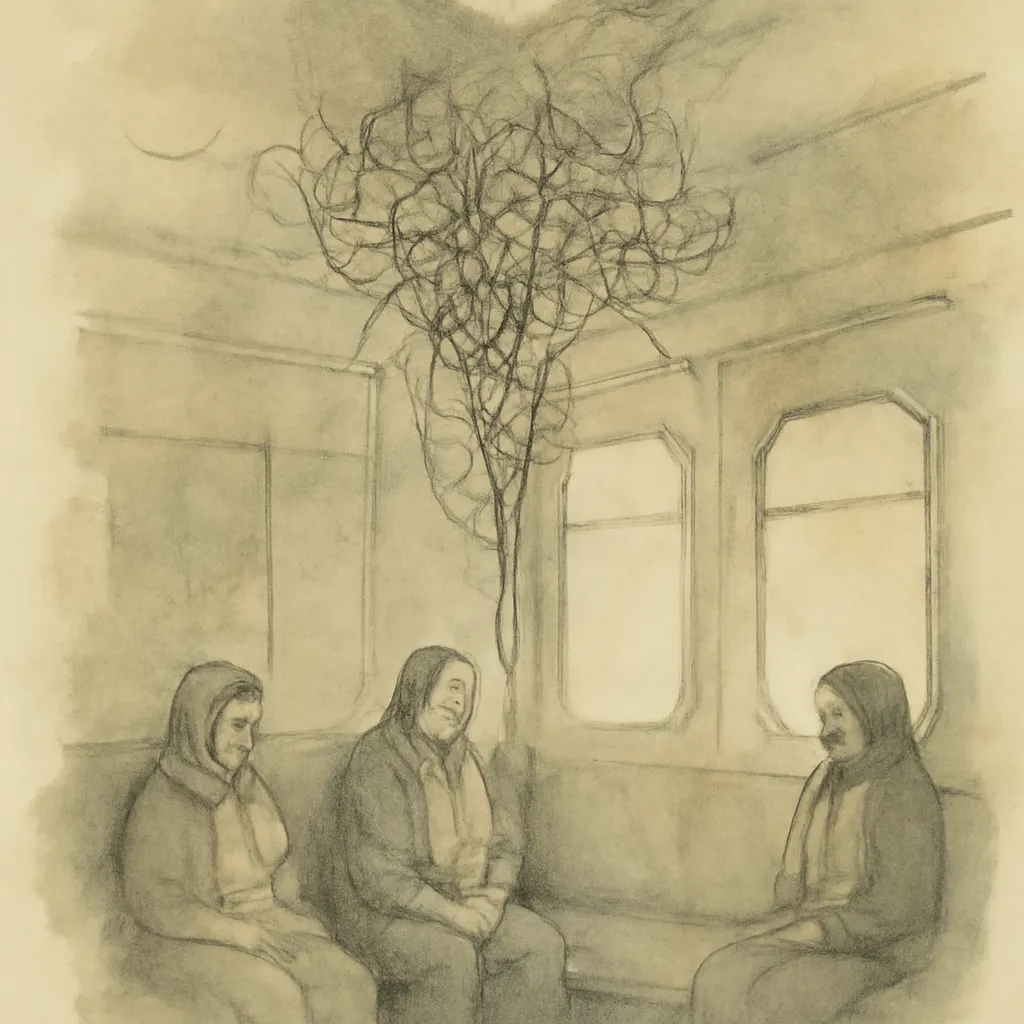
As Poirot delves deeper into the investigation, he uncovers a network of relationships among the passengers. Each character's background and motives come into play, creating a rich tapestry of intrigue. The interactions between the characters reveal their secrets and fears, showcasing how interconnected lives can lead to unforeseen consequences. In one pivotal moment, Poirot learns about a lavishly dressed woman who had an interaction with a newspaper boy; this seemingly minor detail opens doors to understanding the dynamics at play. Throughout the investigation, Poirot's conversations with witnesses, including the boy who remembers the woman due to her extravagant tip, highlight the importance of seemingly trivial details in solving the case. This web of interconnected lives emphasizes the theme of hidden truths, suggesting that everyone has something to hide, and that appearances can be deceiving. The characters represent various societal archetypes, each contributing to the narrative's complexity and enriching the reader's experience as they navigate through layers of deception.
6.Red Narky: The Jewel Thief and His Connections

The revelation of Red Narky, a notorious jewel thief, adds a thrilling dimension to the narrative. His character introduces the element of criminality that complicates the murder investigation. Narky’s affiliation with a female accomplice, Gracie Kidd, suggests a deeper partnership in crime, one that transcends mere theft and delves into the realms of betrayal and loyalty. Poirot’s keen assessment of Narky’s involvement leads to questions about the motivations behind the theft and its connection to the murder. This creates a dual narrative of crime and investigation, intertwining the fates of the characters in unexpected ways. The mention of Narky's short stature juxtaposed with his cunning nature illustrates the classic trope of the underestimated villain, reminding readers that appearances can be misleading. Narky's character serves as a reminder of the darker aspects of human nature, challenging the notion of innocence among the passengers while heightening the stakes of the investigation.
7.The Power of Observation: Poirot's Methodology
Poirot's investigative process is a testament to the power of observation and attention to detail. His ability to notice small things—like the newspaper boy's recollection of a woman's attire—demonstrates how critical seemingly insignificant details can be in solving a mystery. This focus on observation is not just about gathering facts; it is also about understanding human behavior and motivations. Poirot’s interactions with various characters reveal his psychological insight, allowing him to read between the lines and uncover hidden truths. This emphasis on observation serves as a lesson for readers, encouraging them to look beyond the obvious and appreciate the subtleties of everyday life. The way Poirot synthesizes information, connecting disparate clues to form a coherent narrative, illustrates the importance of critical thinking and deductive reasoning in both detective work and everyday problem-solving.
8.Themes of Trust and Betrayal
Trust emerges as a central theme in 'The Plymouth Express Affair,' particularly in the context of the relationships among the characters. The train journey creates an environment where trust is both essential and fragile, as passengers must rely on one another for safety while harboring secrets. As Poirot investigates, he uncovers betrayals that shatter the illusion of camaraderie among passengers. Each character's motives are scrutinized, revealing that those who appear trustworthy may harbor dark secrets. This theme resonates with readers, prompting them to reflect on the nature of trust in their own lives. The interplay of trust and betrayal adds emotional depth to the narrative, transforming it from a simple whodunit into a complex exploration of human relationships. Poirot’s ability to navigate these treacherous waters of trust illustrates his role not just as a detective but as a keen observer of the human condition.
9.The Climax: Unraveling the Mystery
The climax of the story sees Poirot piecing together the fragments of evidence to reveal the truth behind the murder and theft. As the tension escalates, readers are drawn into the final revelations, where Poirot's deductions come to fruition. The unmasking of the murderer not only provides closure to the mystery but also highlights the intricacies of human motivations. Poirot's final confrontation with the culprit is a masterclass in psychological insight, showcasing how understanding human nature is key to solving crimes. This moment serves as a culmination of the themes of observation, trust, and betrayal, leaving readers with a sense of satisfaction as the pieces of the puzzle fall into place. The resolution is not merely about solving the crime but also about revealing the truth about the characters involved, offering a cathartic release that resonates beyond the pages of the book.
10.The Aftermath: Reflections on Justice
In the aftermath of the investigation, the themes of justice and morality come to the forefront. Poirot’s resolution of the case raises questions about the nature of justice—whether it is served by the law or through personal morality. The characters' fates prompt readers to consider the consequences of their actions and the complexities of right and wrong. This reflection on justice adds a layer of philosophical depth to the narrative, encouraging readers to engage with the moral dilemmas presented throughout the story. Poirot's actions, while legal, also reflect his personal sense of justice, illustrating the gray areas that often exist in moral decision-making. The aftermath serves as a reminder that while Poirot may have solved the mystery, the implications of the crime extend far beyond the train, affecting the lives of all involved and inviting readers to ponder the true meaning of justice.