Fiction · Short Reads
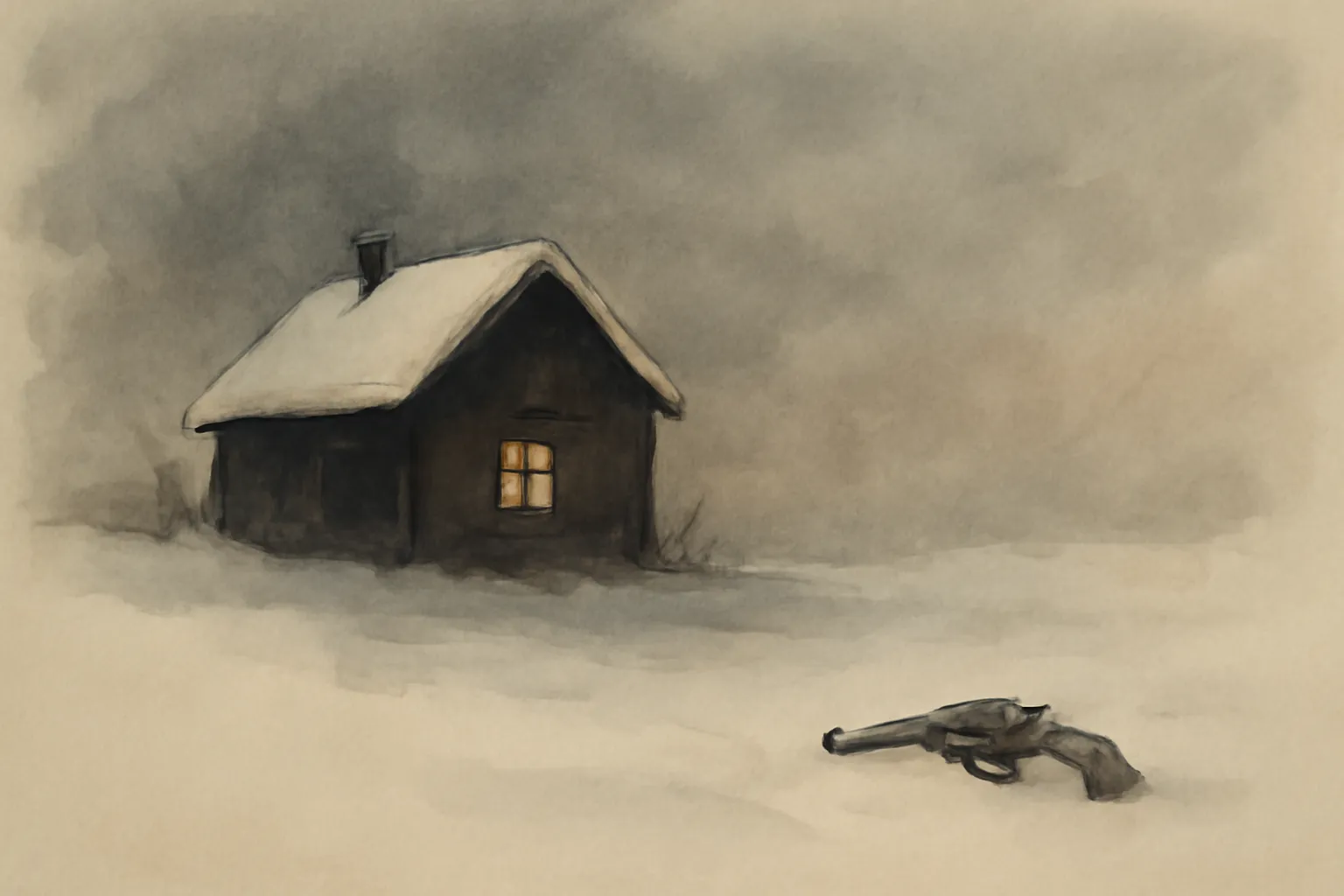
The Hunter's Lodge Case by Agatha Christie — Summary, Key Ideas & Full Text
14 pages2 chapters17 min read12 min speed read✦ 9-min Big ideas★ 4.3 (20)Free · no account
Rate it
In 'The Hunter's Lodge Case,' Poirot unravels a tangled web of deception, revealing that appearances can be dangerously misleading
Agatha Christie's 'The Hunter's Lodge Case' showcases the brilliance of Hercule Poirot as he tackles a perplexing murder mystery while convalescing from influenza. The narrative intertwines themes of trust, deception, and the art of misdirection, all of which Poirot navigates with his signature wit and intellect. Readers will explore how seemingly straightforward circumstances can mask intricate plots, and how Poirot's analytical prowess uncovers the truth hidden beneath layers of lies. This story not only captivates with its suspenseful unfolding but also invites reflection on the complexities of human nature and motivations.
In 'The Hunter's Lodge Case,' Agatha Christie masterfully weaves a narrative that highlights the complexities of human relationships and the multifaceted nature of truth. Through Hercule Poirot's investigation, readers are invited to examine the nuances of motive, identity, and morality, making the story both a captivating mystery and a profound exploration of the human condition. The novel serves as a reminder that beneath the surface of ordinary lives, extraordinary secrets often lie waiting to be uncovered. With its rich themes and unforgettable characters, 'The Hunter's Lodge Case' resonates with anyone who has ever sought to understand the intricate web of motivations that drive human behavior.
“After all,” murmured Poirot, “it is possible that I shall not die this time.”
“Good for you, Poirot. You are becoming quite a public character.”
“There’s no sech person,” as your so great Shakespeare says.”
Agatha Christie has 10 works free to read on Lumina, including The Big Four, The murder of Roger Ackroyd, The Mysterious Affair at Styles