

Jewish Personal narratives · Personal narratives, Jewish · World War, 1939-1945
Night by Elie Wiesel — Summary, Key Ideas & Quotes
1960152 pages✦ 3-min Big ideas
Rate it
An autobiographical narrative in which the author describes his experiences in Nazi concentration camps, watching family and friends die, and how they led him to believe that God is dead.

One of the central themes of Night is the profound crisis of faith experienced by Eliezer, the narrator. Raised in a devout Jewish community, Eliezer’s belief in God is battered by the relentless brutality and suffering he witnesses. The book explores how the Holocaust not only destroyed bodies but also eroded spiritual convictions, leading many, including the author, to question or abandon their faith. This struggle is not presented as a philosophical debate, but as a visceral, lived experience, making the reader feel the agony of spiritual loss.
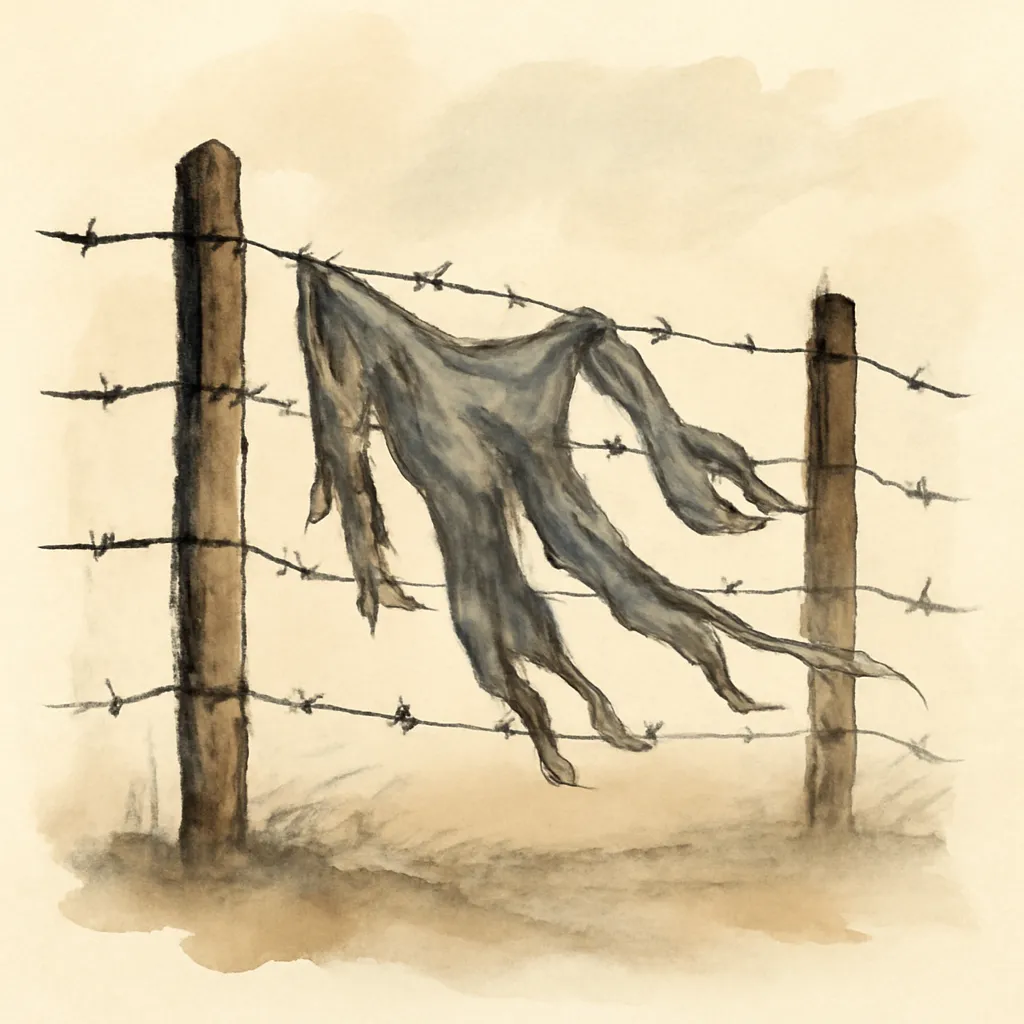
Night vividly depicts how the Nazi system systematically stripped prisoners of their dignity, identity, and humanity. Through starvation, violence, and constant fear, individuals were reduced to mere numbers and forced into a brutal struggle for survival. Wiesel does not shy away from the moral ambiguities this created, showing how even victims could become complicit in the suffering of others, and how survival sometimes came at the cost of compassion or family bonds.
“Never shall I forget that night, the first night in camp, which has turned my life into one long night, seven times cursed and seven times sealed.”
“For in the end, it is all about memory, its sources and its magnitude, and, of course, its consequences.”
“To forget the dead would be akin to killing them a second time.”