

Auschwitz (Concentration camp) · World War, 1939-1945 · Italian Personal narratives
If This Is a Man by Primo Levi — Summary, Key Ideas & Quotes
1947206 pages✦ 3-min Big ideas★ 4.3 (29)
Rate it
This book describes Primo Levi's experiences in the concentration camp at Auschwitz during the Second World War. Levi, then a 25-year-old chemist, spent 10 months in Auschwitz before the camp was liberated by the Red Army. Of the 650 Italian Jews in his shipment, Levi was one of only twenty who left the camp alive. The average life expectancy of a new entry was three months. This truly amazing story offers a revealing glimpse into the realities of the Holocaust and its effects on our world. - Back cover.
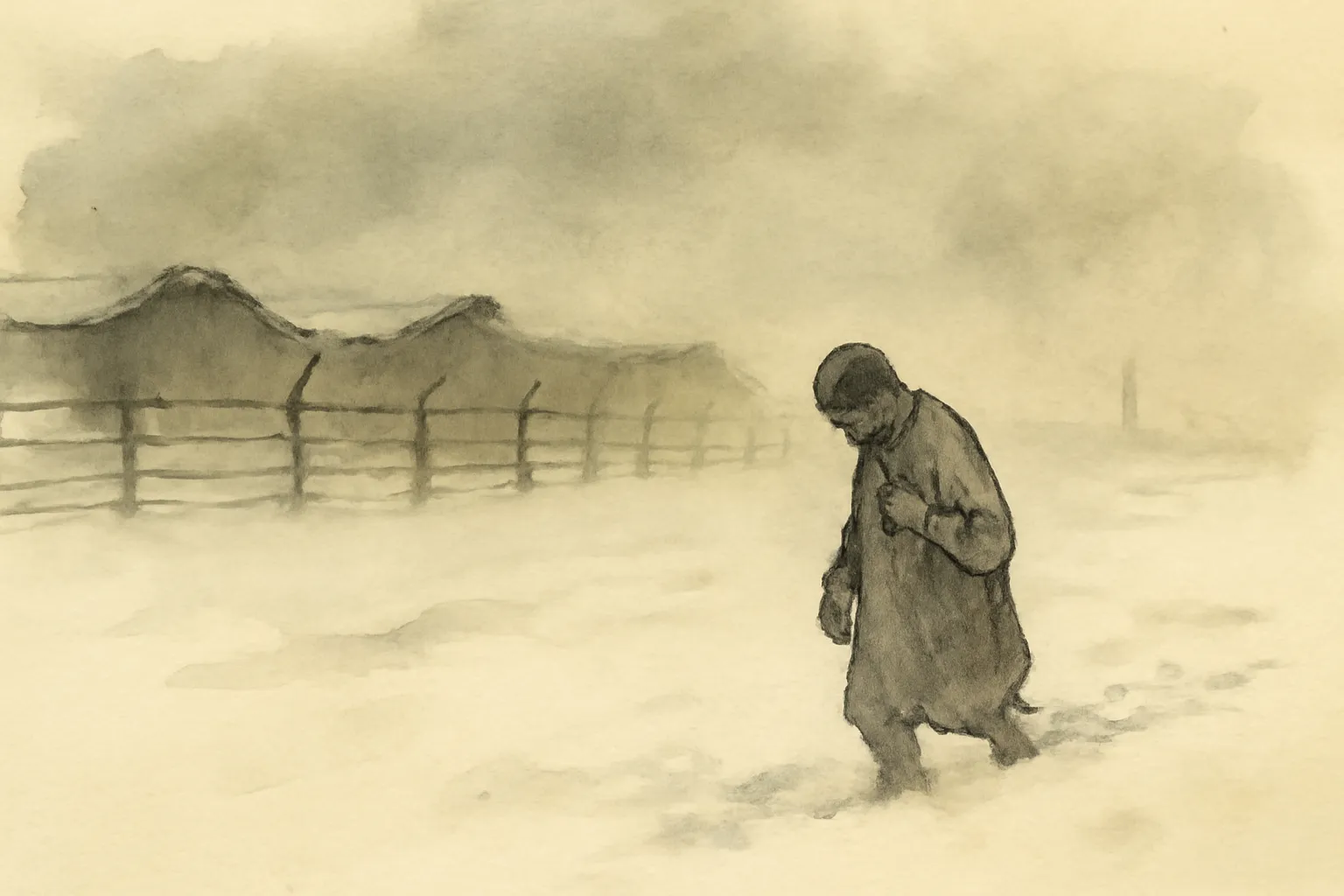
Levi meticulously details how the concentration camp system was designed to erase individuality, dignity, and even the will to live. Prisoners are reduced to numbers, deprived of personal belongings, and subjected to arbitrary violence and deprivation. Yet, Levi also observes the subtle ways inmates try to retain fragments of their identity—through memory, language, or small acts of solidarity. The book compels readers to confront how easily humanity can be eroded, and how crucial it is to resist this process, even in the bleakest circumstances.
Levi challenges simplistic notions of good and evil by depicting the complex moral landscape of the camp. Survival often required moral compromises, and the boundary between victim and perpetrator could blur. Some prisoners became functionaries, collaborating to varying degrees with their oppressors. Levi’s nuanced portrayal asks readers to reflect on the pressures that can distort human behavior and the difficulty of judging actions taken under extreme duress.