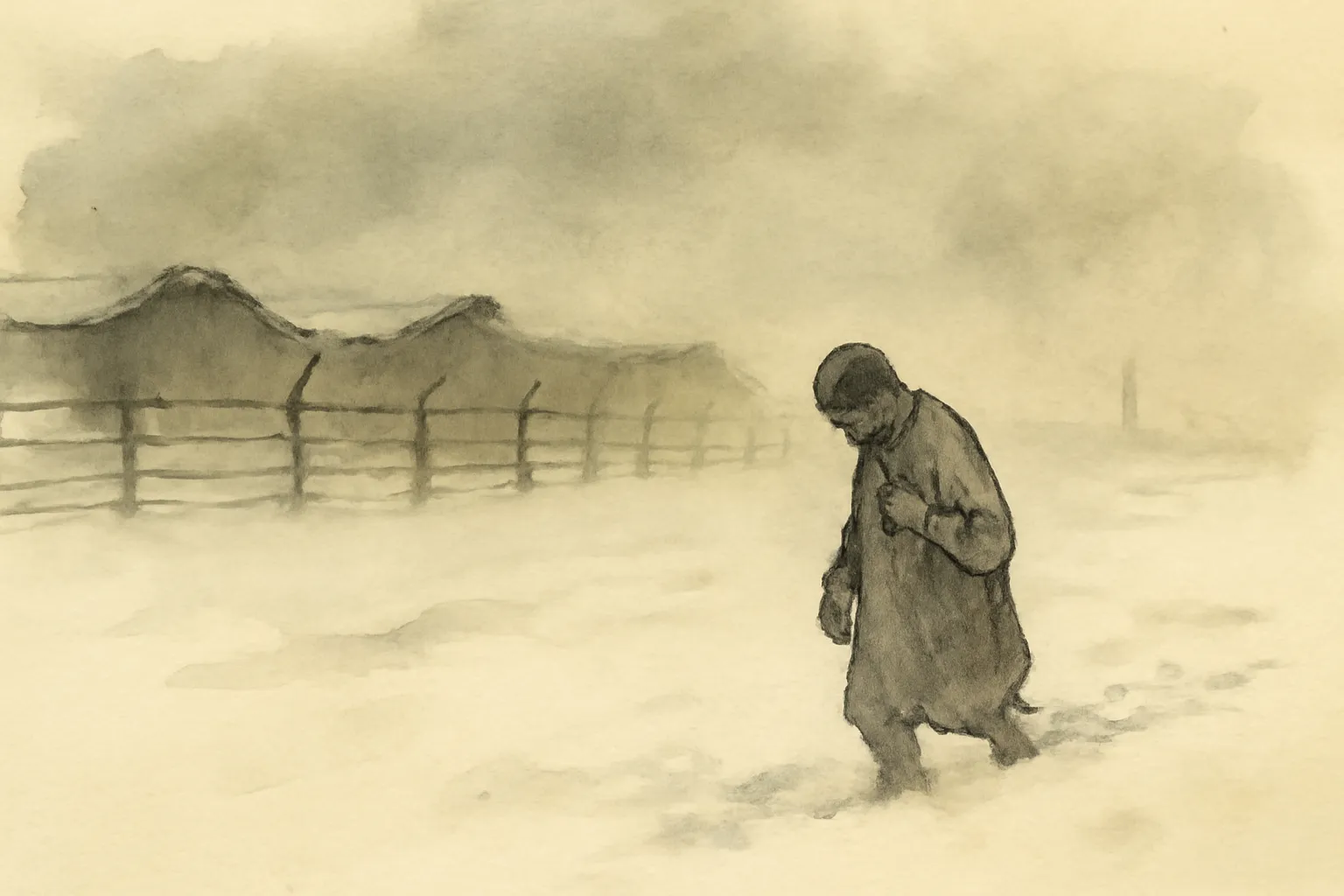
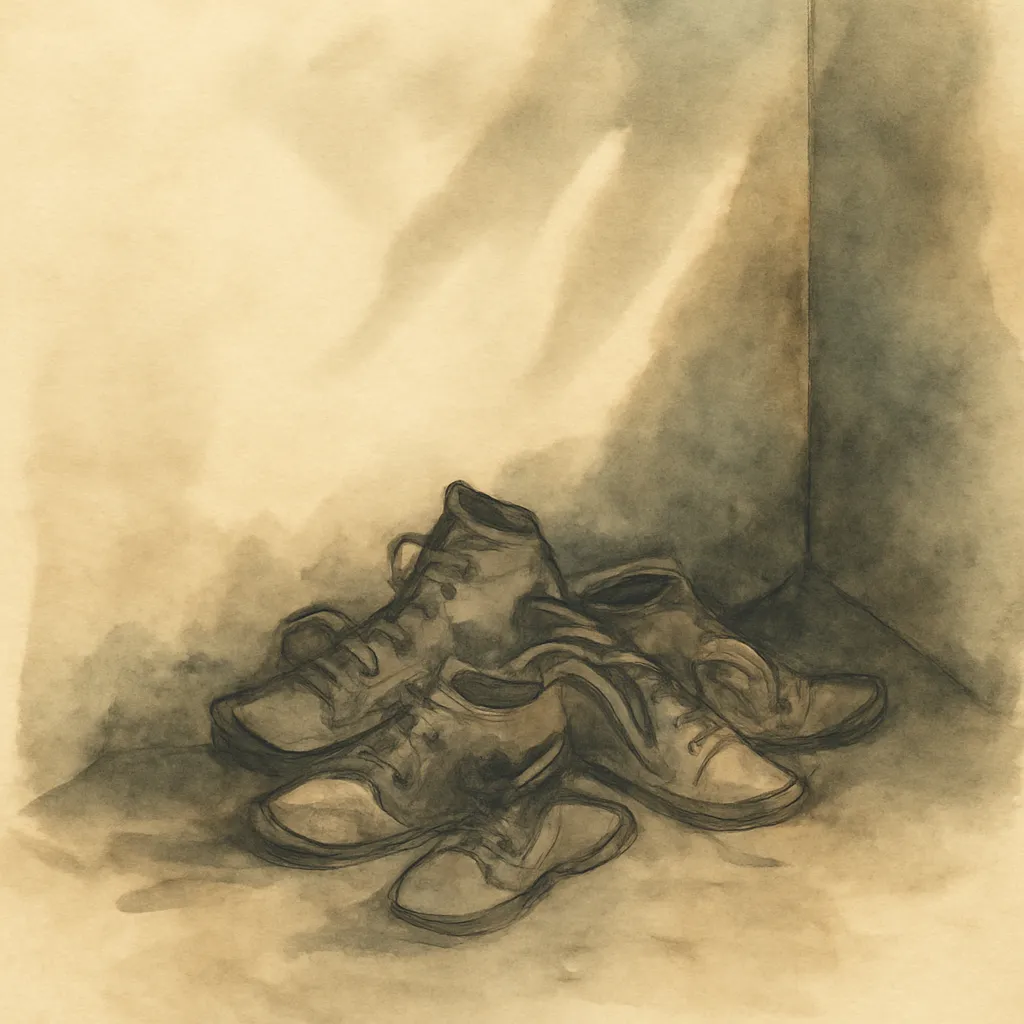
1.Dehumanization and the Stripping of Identity
Levi meticulously details how the concentration camp system was designed to erase individuality, dignity, and even the will to live. Prisoners are reduced to numbers, deprived of personal belongings, and subjected to arbitrary violence and deprivation. Yet, Levi also observes the subtle ways inmates try to retain fragments of their identity—through memory, language, or small acts of solidarity. The book compels readers to confront how easily humanity can be eroded, and how crucial it is to resist this process, even in the bleakest circumstances.
2.Moral Ambiguity and the Gray Zone
Levi challenges simplistic notions of good and evil by depicting the complex moral landscape of the camp. Survival often required moral compromises, and the boundary between victim and perpetrator could blur. Some prisoners became functionaries, collaborating to varying degrees with their oppressors. Levi’s nuanced portrayal asks readers to reflect on the pressures that can distort human behavior and the difficulty of judging actions taken under extreme duress.
3.The Power of Memory and Testimony
A central aim of Levi’s narrative is to bear witness. He insists on the importance of remembering and recounting the horrors of Auschwitz, not only to honor those who perished but to warn future generations. The act of testimony becomes both a moral duty and a means of reclaiming agency. Levi’s clear, unsentimental prose underscores the necessity of confronting uncomfortable truths, lest history repeat itself.
4.Solidarity and the Fragility of Compassion
While the camp environment often pitted prisoners against each other, Levi highlights moments of kindness and mutual aid that offered fleeting respite from brutality. These acts, however small, affirmed the possibility of human connection and moral choice, even in the face of overwhelming adversity. The book explores both the limitations and the transformative potential of solidarity under extreme oppression.
5.Adaptation and the Will to Survive
Levi documents the psychological and physical adaptations required to survive in Auschwitz. Survival depended not only on luck but on resourcefulness, resilience, and sometimes the ability to suppress emotion. Levi’s scientific background informs his detached, analytical approach, allowing him to observe himself and others as both participants and witnesses. This dual perspective enriches his exploration of what survival means—and what it costs.
6.The Universal Lessons of Auschwitz
Levi’s account transcends its historical setting to pose broader questions about human nature, cruelty, and responsibility. He invites readers to ask what conditions make atrocities possible and how societies can guard against them. The book’s enduring relevance lies in its insistence that such events are not aberrations but potential outcomes of systems that deny human dignity.