

Noise · Electric circuits · Vacuum-tubes
Noise: A Flaw in Human Judgment by Daniel Kahneman, Olivier Sibony, and Cass R. Sunstein — Summary, Key Ideas & Quotes
2021480 pages✦ 3-min Big ideas★ 2.8 (5)
Rate it
From the best-selling author of Thinking, Fast and Slow, the co-author of Nudge, and the author of You Are About to Make a Terrible Mistake! comes Noise, a revolutionary exploration of why people make bad judgments, and how to control both noise and cognitive bias. Imagine that two doctors in the same city give different diagnoses to identical patients - or that two judges in the same courthouse give markedly different sentences to people who have committed the same crime. Suppose that different interviewers at the same firm make different decisions about indistinguishable job applicants - or that when a company is handling customer complaints, the resolution depends on who happens to answer the phone. Now imagine that the same doctor, the same judge, the same interviewer, or the same customer service agent makes different decisions depending on whether it is morning or afternoon, or Monday rather than Wednesday. These are examples of noise: variability in judgments that should be identical. In Noise, Daniel Kahneman, Olivier Sibony, and Cass R. Sunstein show the detrimental effects of noise in many fields, including medicine, law, economic forecasting, forensic science, bail, child protection, strategy, performance reviews, and personnel selection. Wherever there is judgment, there is noise. Yet, most of the time, individuals and organizations alike are unaware of it. They neglect noise. With a few simple remedies, people can reduce both noise and bias, and so make far better decisions. Packed with original ideas, and offering the same kinds of research-based insights that made Thinking, Fast and Slow and Nudge groundbreaking New York Times best sellers, Noise explains how and why humans are so susceptible to noise in judgment - and what we can do about it.
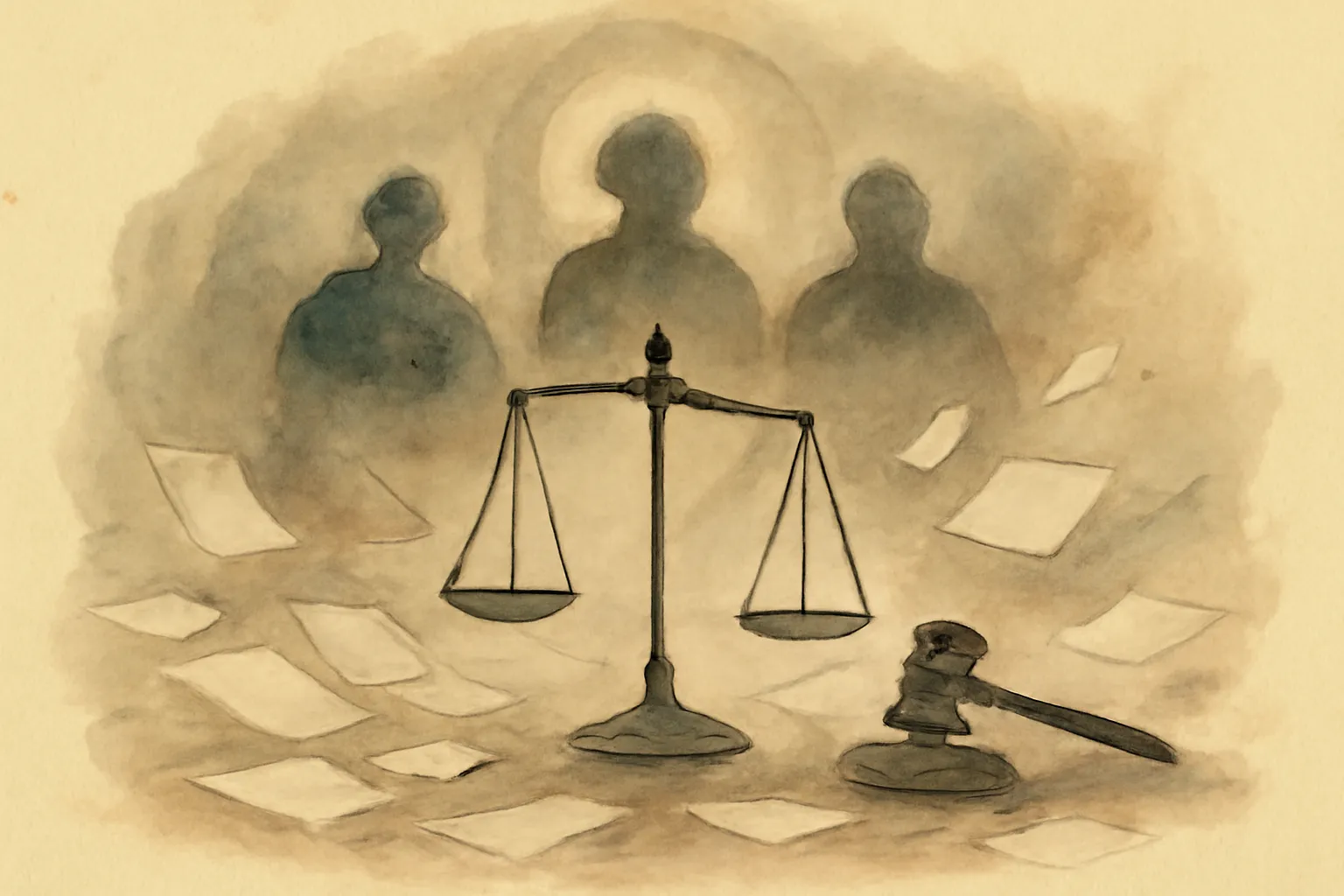
While most people are familiar with cognitive bias—systematic errors in thinking—'Noise' introduces and emphasizes a different, often ignored problem: unwanted variability in judgments. Noise is the random scatter in decisions that should be identical, such as two doctors giving different diagnoses for the same symptoms. The authors argue that noise can be just as damaging as bias, yet it receives far less attention in organizations and society.
Noise is everywhere: in courtrooms, hospitals, corporations, and even our own daily decisions. The book draws on studies showing that professionals—judges, doctors, underwriters—often make inconsistent choices, even when faced with similar cases. This randomness undermines fairness and effectiveness, leading to unpredictable outcomes that can have serious real-world consequences.
“Wherever there is judgment, there is noise—and more of it than you think.”
“Noise in human judgment is not a minor nuisance. It is as important as bias—and sometimes more so.”