1.Noise vs. Bias: Two Flaws in Judgment
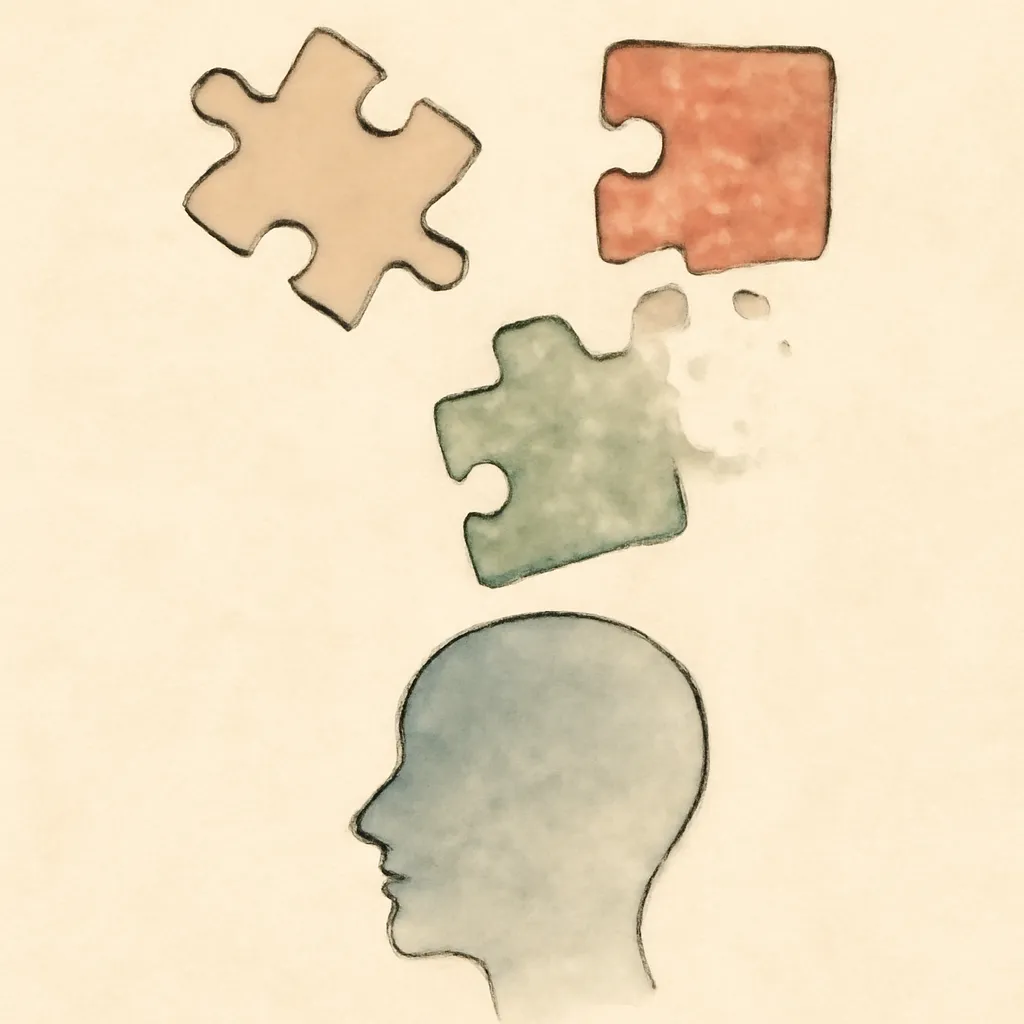
While most people are familiar with cognitive bias—systematic errors in thinking—'Noise' introduces and emphasizes a different, often ignored problem: unwanted variability in judgments. Noise is the random scatter in decisions that should be identical, such as two doctors giving different diagnoses for the same symptoms. The authors argue that noise can be just as damaging as bias, yet it receives far less attention in organizations and society.
2.The Ubiquity of Noise
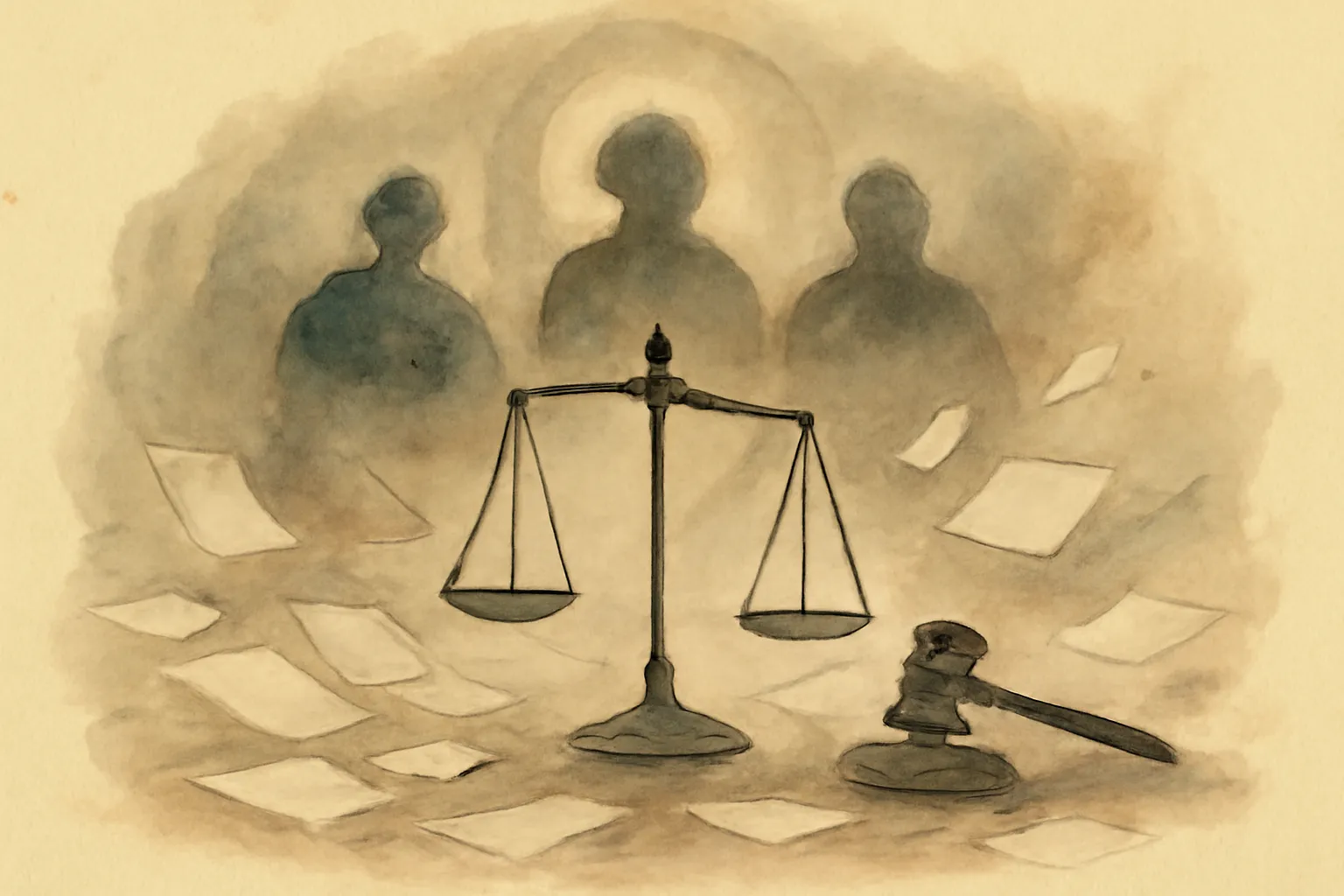
Noise is everywhere: in courtrooms, hospitals, corporations, and even our own daily decisions. The book draws on studies showing that professionals—judges, doctors, underwriters—often make inconsistent choices, even when faced with similar cases. This randomness undermines fairness and effectiveness, leading to unpredictable outcomes that can have serious real-world consequences.
3.Types of Noise: Level, Pattern, and Occasion
The authors break down noise into three forms: level noise (differences in average judgments between people), pattern noise (differences in how people interpret cases), and occasion noise (the same person making different decisions at different times). Understanding these distinctions helps organizations diagnose where their decision-making processes are most vulnerable.
4.Why Organizations Ignore Noise
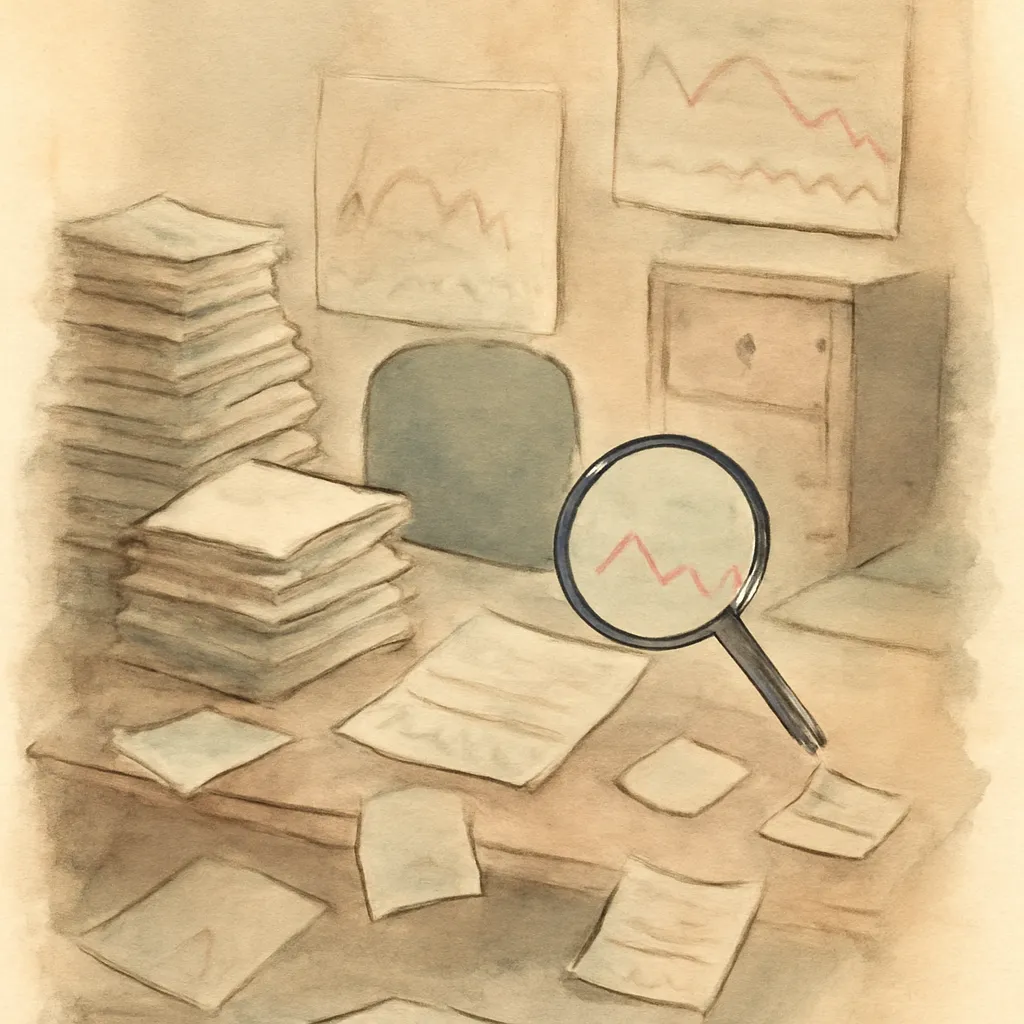
Despite its prevalence, noise is often invisible to organizations. The book explains that while bias is easier to spot and address, noise is harder to detect because it requires comparing many decisions over time. As a result, organizations tend to overlook it, missing opportunities for improvement and fairness.
5.The Cost of Noise
Noise can be costly, both financially and ethically. Inconsistent decisions can erode trust, lead to unfair outcomes, and waste resources. The authors provide real-world examples, such as insurance companies losing money due to inconsistent underwriting and courts delivering unequal justice, to illustrate the tangible impact of noise.
6.How to Reduce Noise: Decision Hygiene
The book proposes practical solutions for reducing noise, introducing the concept of 'decision hygiene.' This involves structured decision-making processes, standardized protocols, and techniques like independent assessments and aggregation of judgments. By treating noise as a preventable contaminant, organizations can make fairer, more reliable decisions.