Fiction
Odd Numbers: Being Further Chronicles of Shorty McCabe by Sewell Ford — Summary, Key Ideas & Full Text
234 pages19 chapters4h 42m read3h 20m speed read✦ 9-min Big ideasFree · no account
Rate it
Explore the whimsical yet poignant chronicles of Shorty McCabe as he navigates the colorful tapestry of New York life
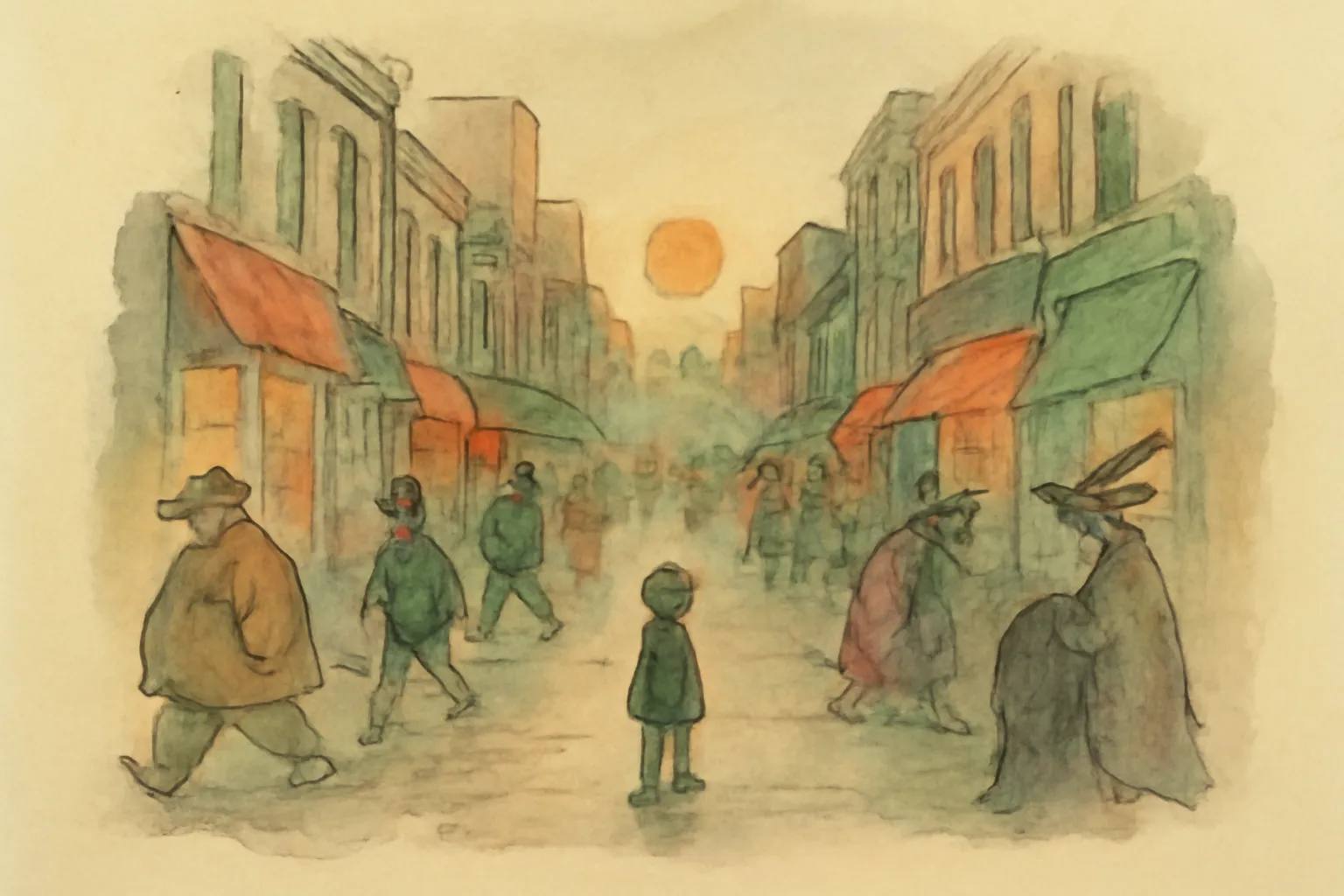
In 'Odd Numbers: Being Further Chronicles of Shorty McCabe,' Sewell Ford takes readers on a delightful journey through the bustling streets of New York City in the early 20th century. Through the lens of the lovable and often humorous protagonist, Shorty McCabe, the narrative unfolds a series of encounters with a diverse cast of characters, from eccentric tourists to self-important socialites. Each chapter presents a vignette that captures the essence of urban life, revealing the quirks, challenges, and absurdities faced by those who call the city home. The book is a rich tapestry of humor, social commentary, and human connection, making it not only entertaining but also a reflection on the complexities of city living and the nature of relationships. Readers will find themselves immersed in a world where every interaction is laden with potential, and where the mundane can transform into the extraordinary.
In 'Odd Numbers: Being Further Chronicles of Shorty McCabe,' Sewell Ford crafts a vibrant portrait of life in New York City that resonates with humor, humanity, and insight. Through Shorty's eyes, readers are invited to explore the complexities of urban existence, where every encounter has the potential to reveal deeper truths about society and ourselves. The narrative highlights the importance of community, the absurdities of life, and the power of storytelling as a means of connection. Ultimately, Ford's work serves as a reminder that amidst the chaos of city living, genuine human connections can be forged, and that humor and empathy are essential for navigating the challenges of life. This timeless exploration of the human experience continues to resonate, offering valuable lessons for both contemporary and future readers.
“Get the idea? says he. A public bureau where strangers in New York would be given courteous attention, friendly advice, and that sort of thing.”
“I see it 'most every day in the year, and it's always new.”
Sewell Ford has 3 works free to read on Lumina, including Shorty McCabe on the Job, Torchy and Vee
All 3 books by Sewell Ford →