Philosophy · Short Reads
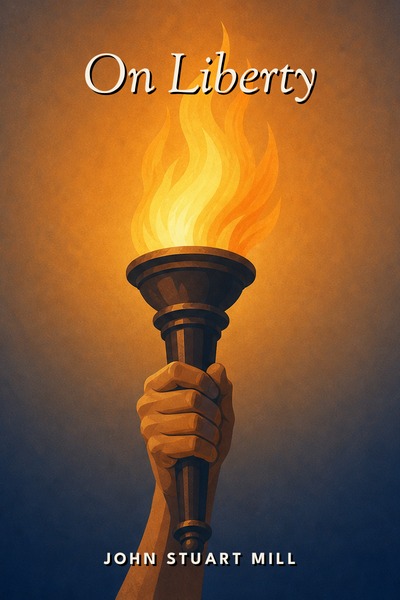
On Liberty by John Stuart Mill — Summary, Key Ideas & Full Text
159 pages5 chapters3h 11m read2h 16m speed read✦ 7-min Big ideas★ 3.9 (10)Free · no account
Rate it
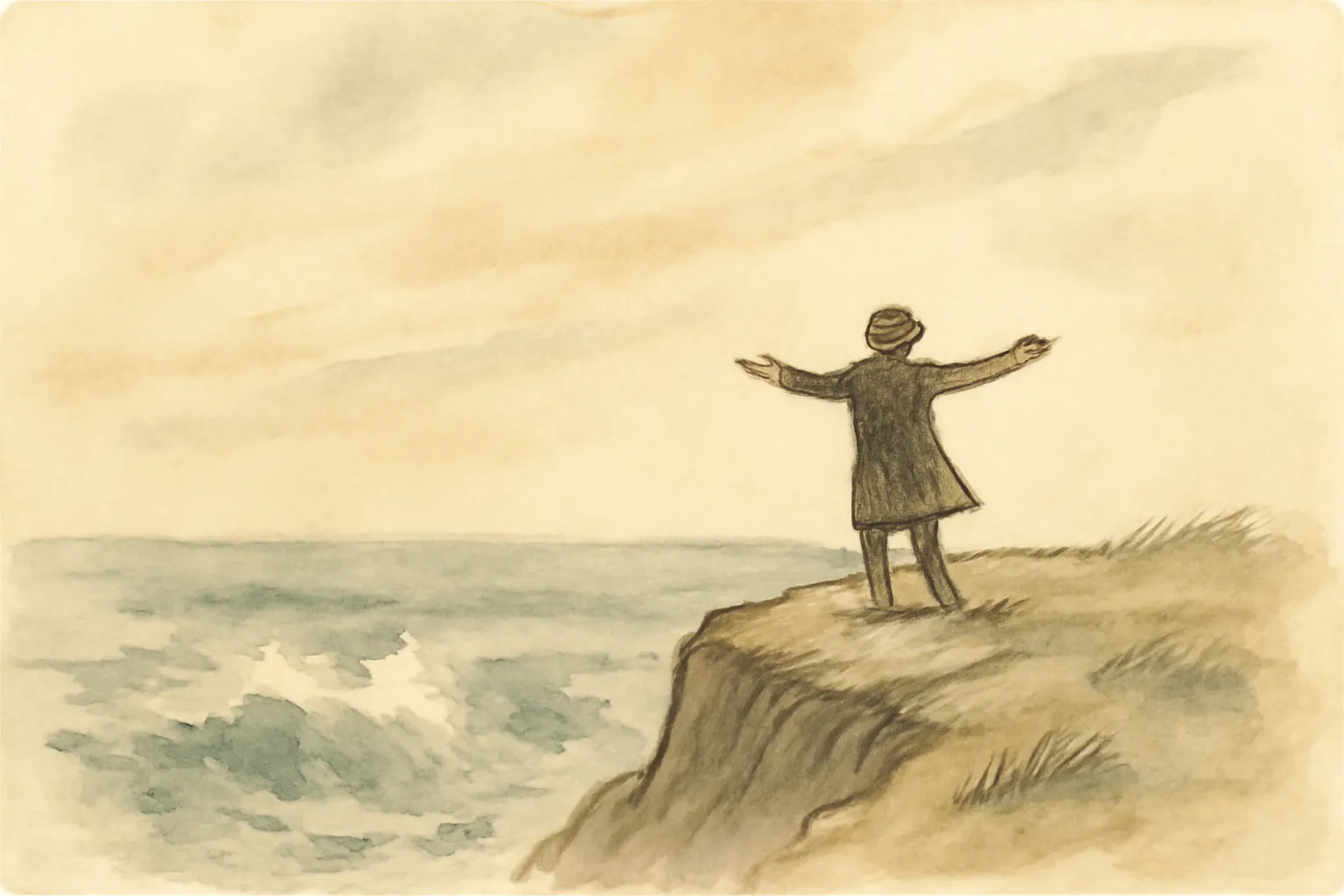
True liberty is the freedom to think, express, and act according to one's own judgments without societal coercion
John Stuart Mill's 'On Liberty' is a profound exploration of the delicate balance between individual freedom and societal authority. In an age where the rights of the individual often clash with collective norms, Mill presents a compelling case for the necessity of personal autonomy in thought and action. He delves into the nature of social liberty, arguing that societal power should only extend as far as it protects individuals from harm. By dissecting the boundaries of authority and the importance of free expression, Mill's treatise remains a vital discussion in contemporary debates on civil rights and personal freedoms. Readers will gain insight into the philosophical underpinnings of liberty and the enduring relevance of Mill's arguments in today's world.
Mill's 'On Liberty' serves as a timeless reminder of the importance of individual freedom in a world often dominated by societal pressures. His arguments challenge us to reflect on the nature of authority and the limits of governmental power, advocating for a society that values personal autonomy while ensuring the welfare of all. By promoting the free exchange of ideas and the protection of individuality, Mill offers a framework for understanding the complexities of human rights and social responsibility. As contemporary debates on liberty continue to unfold, Mill's insights remain a vital part of the conversation, urging us to uphold the principles of freedom and justice in our ever-evolving societies.
“The struggle between Liberty and Authority is the most conspicuous feature in the portions of history with which we are earliest familiar.”
“If all mankind minus one were of one opinion, and only one person were of the contrary opinion, mankind would be no more justified in silencing that one person, than he, if he had the power, would be justified in silencing mankind.”
“The peculiar evil of silencing the expression of an opinion is, that it is robbing the human race; posterity as well as the existing generation.”
John Stuart Mill has 3 works free to read on Lumina, including A System of Logic, Ratiocinative and Inductive, The Subjection of Women
All 3 books by John Stuart Mill →