

Administration of Criminal justice · Racial profiling in law enforcement · Social conditions
On the Run: Fugitive Life in an American City by Alice Goffman — Summary, Key Ideas & Quotes
2014288 pages✦ 3-min Big ideas★ 4.0 (1)
Rate it
"Forty years in, the War on Drugs has done almost nothing to prevent drugs from being sold or used, but it has nonetheless created a little-known surveillance state in America's most disadvantaged neighborhoods. Arrest quotas and high-tech surveillance techniques criminalize entire blocks, and transform the very associations that should stabilize young lives--family, relationships, jobs--into liabilities, as the police use such relationships to track down suspects, demand information, and threaten consequences. Alice Goffman spent six years living in one such neighborhood in Philadelphia, and her close observations and often harrowing stories reveal the pernicious effects of this pervasive policing. Goffman introduces us to an unforgettable cast of young African American men who are caught up in this web of warrants and surveillance--some of them small-time drug dealers, others just ordinary guys dealing with limited choices. All find the web of presumed criminality, built as it is on the very associations and friendships that make up a life, nearly impossible to escape."--Provided by publisher.
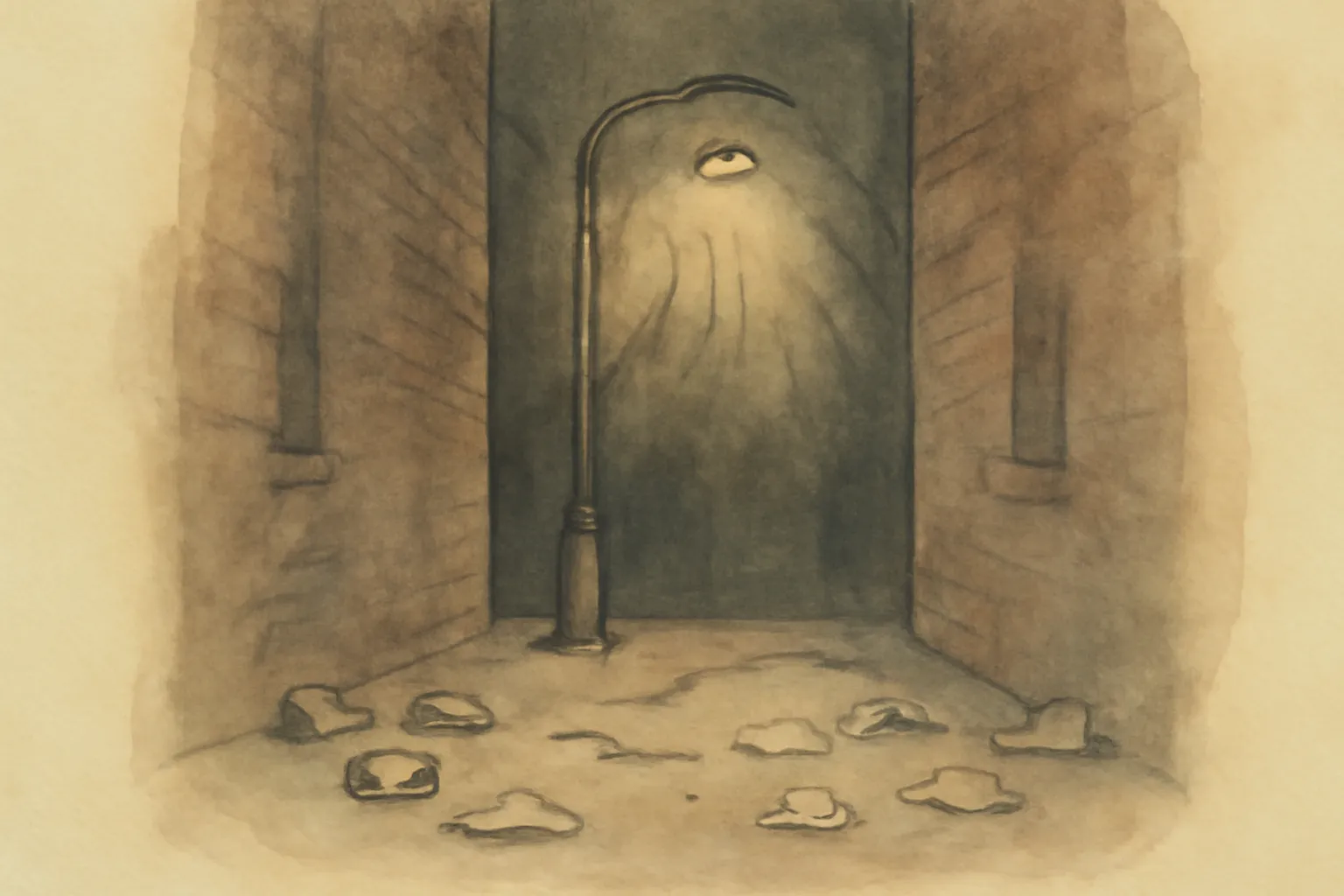
Goffman reveals how aggressive policing and the proliferation of warrants create a climate of perpetual fear and suspicion in marginalized neighborhoods. Young men, even those accused of minor infractions, live as fugitives, constantly evading police. This environment doesn't just affect those with criminal records; it seeps into the fabric of community life, shaping how people move, interact, and make choices.
The book demonstrates how routine activities—attending a child's birth, visiting a hospital, or simply walking down the street—become fraught with risk when police use these moments to apprehend suspects. As a result, normal social bonds and responsibilities are undermined, turning family, friendship, and employment into potential liabilities rather than sources of support.