1.The Shadow of Constant Surveillance
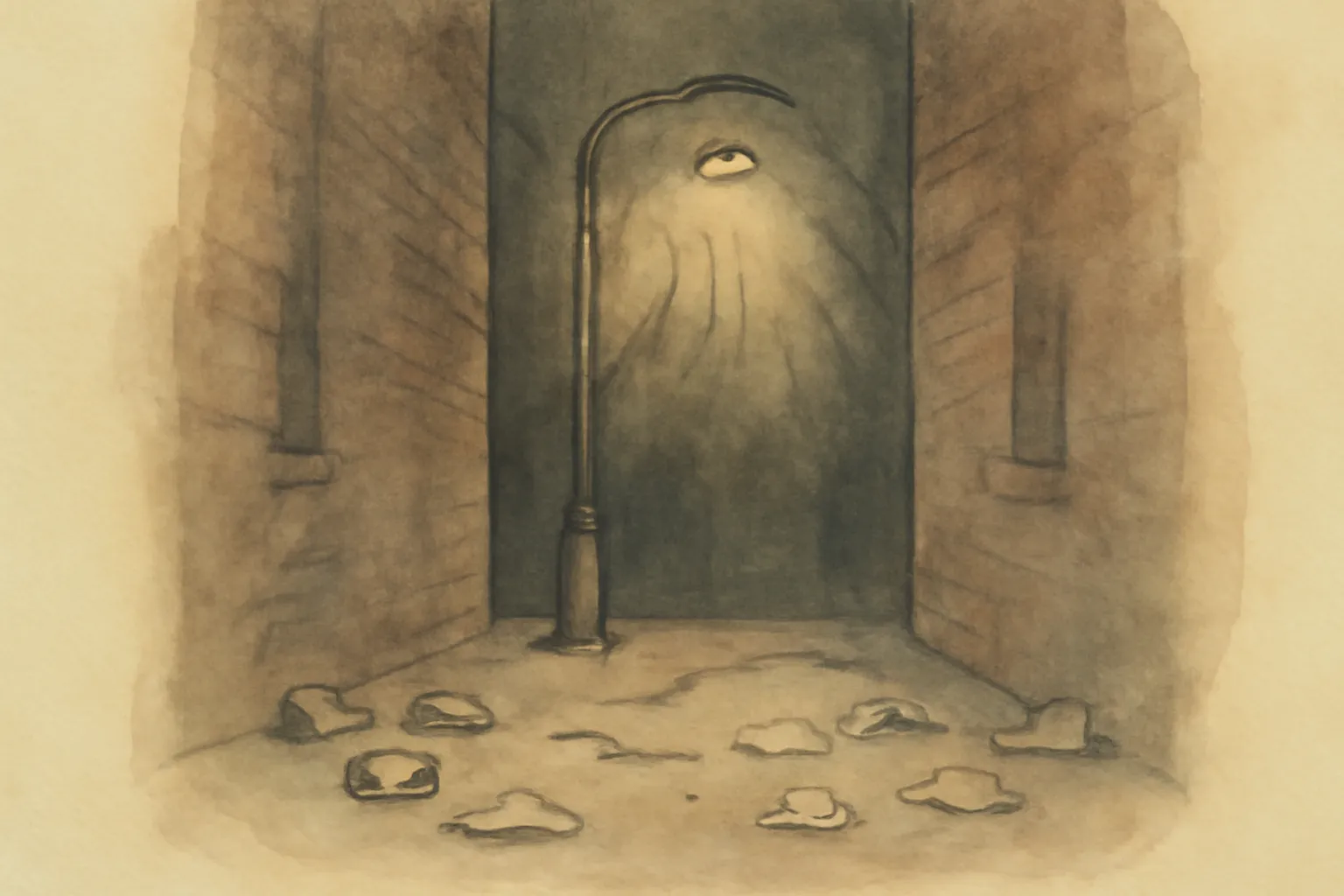
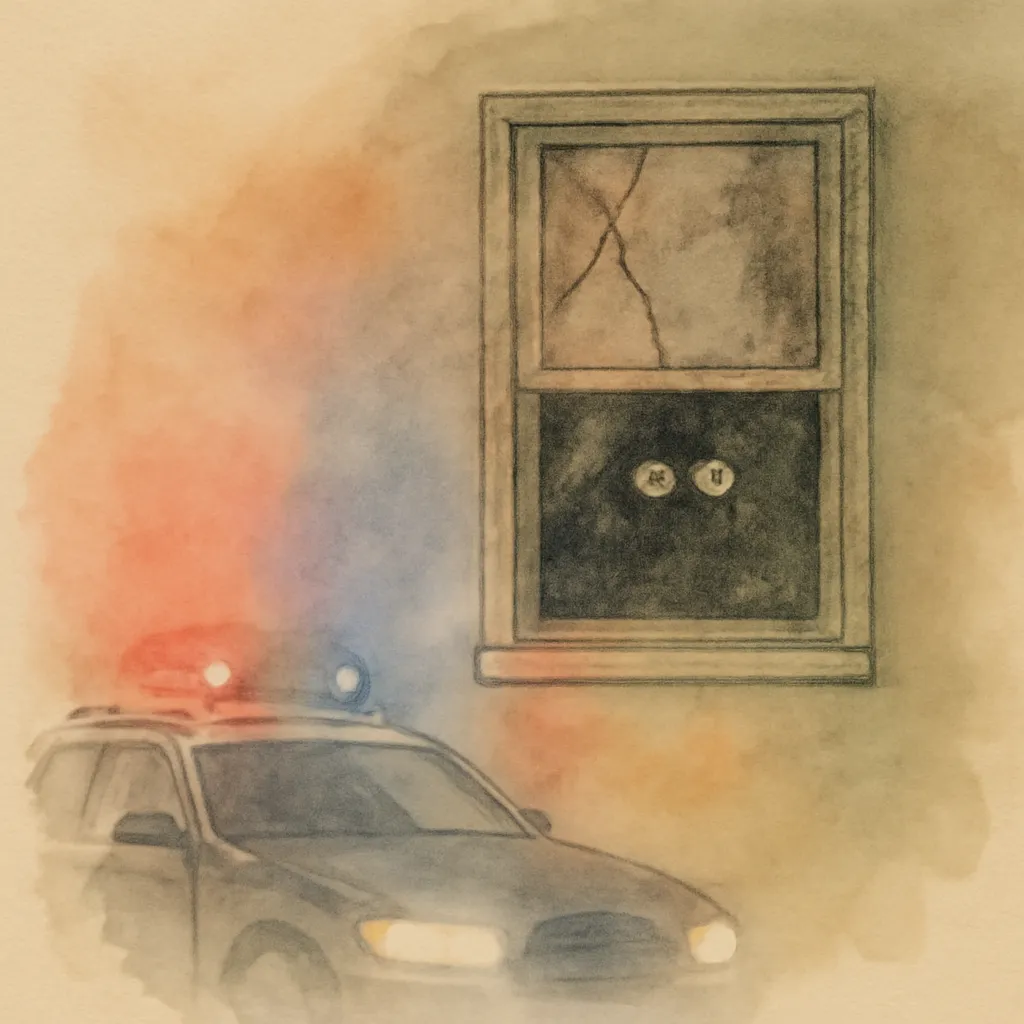
Goffman reveals how aggressive policing and the proliferation of warrants create a climate of perpetual fear and suspicion in marginalized neighborhoods. Young men, even those accused of minor infractions, live as fugitives, constantly evading police. This environment doesn't just affect those with criminal records; it seeps into the fabric of community life, shaping how people move, interact, and make choices.
2.Criminalization of Everyday Life
The book demonstrates how routine activities—attending a child's birth, visiting a hospital, or simply walking down the street—become fraught with risk when police use these moments to apprehend suspects. As a result, normal social bonds and responsibilities are undermined, turning family, friendship, and employment into potential liabilities rather than sources of support.
3.Distrust and the Breakdown of Social Ties
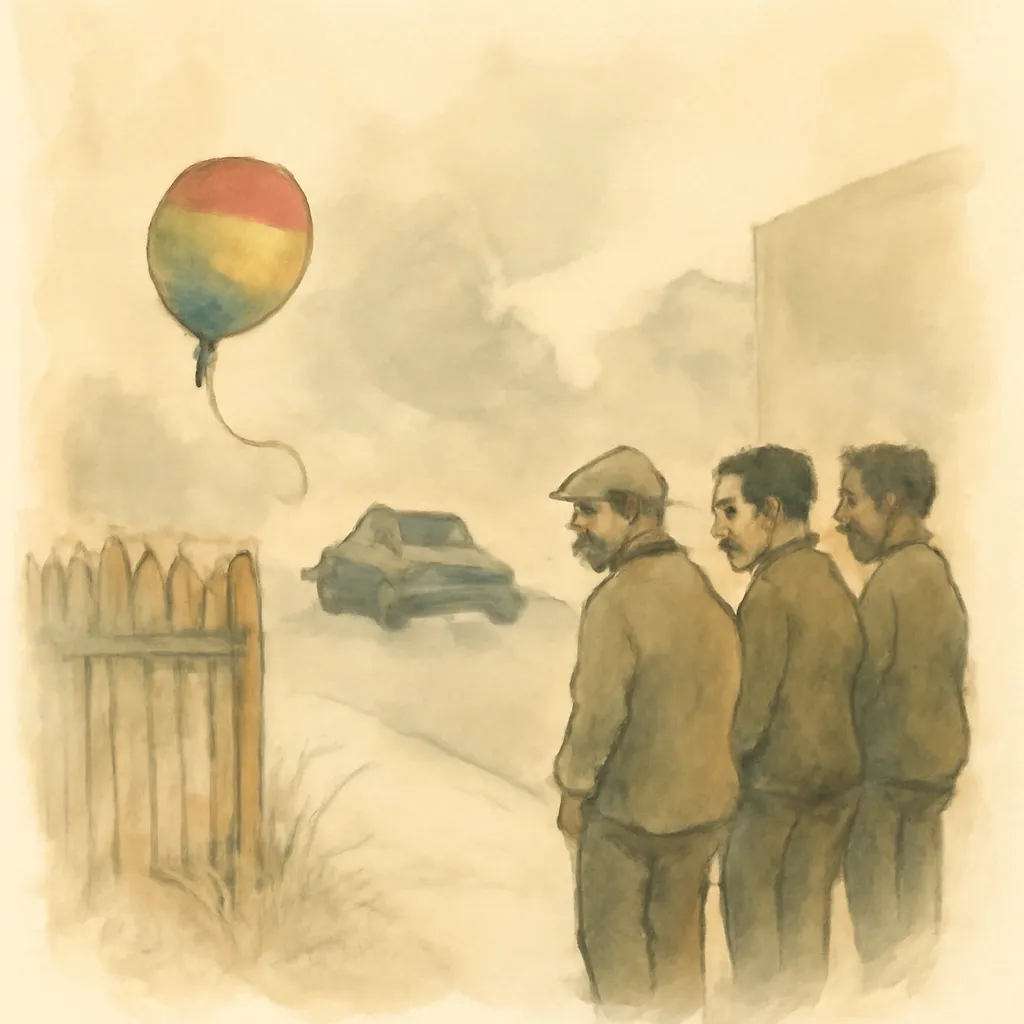
On the Run explores how the omnipresence of law enforcement erodes trust not only between residents and police, but also within families and among friends. People are pressured to inform on each other, and relationships become suspect. This fraying of social cohesion makes it even harder for individuals to escape cycles of poverty and criminalization.
4.Survival Strategies and Adaptation
Goffman documents the ingenious—and often heartbreaking—strategies people develop to avoid arrest, from memorizing police schedules to using coded language and altering daily routines. These adaptations, while necessary for survival, further isolate individuals and limit their opportunities for education, work, and personal growth.
5.The Human Cost of the War on Drugs
Through intimate portraits, the book lays bare the unintended consequences of drug war policies. Instead of fostering safety, aggressive enforcement traps entire communities in cycles of instability and fear, with lasting effects on mental health, family structure, and prospects for upward mobility.
6.Ethnography as Witness
Goffman's immersive, participatory research method offers rare authenticity, but also raises questions about the ethics and limits of ethnography. Her proximity to her subjects allows for deep insight, but also sparks debate about the role of the researcher in communities under siege.