

Economic aspects · Organizational change · Strategic planning
Only the Paranoid Survive by Andrew S. Grove — Summary, Key Ideas & Quotes
1996217 pages✦ 3-min Big ideas★ 3.0 (2)
Rate it
Under Andy Grove's leadership, Intel has become the world's largest chipmaker, the fifth-most-admired company in America, and the seventh-most-profitable company among the Fortune 500. You don't achieve rankings like these unless you have mastered a rare understanding of the art of business and an unusual way with its practice.
Few CEOs can claim this level of consistent record-breaking success. Grove attributes much of this success to the philosophy and strategy he reveals in Only the Paranoid Survive - a book that is unique in leadership annals for offering a bold new business measure, and for taking the reader deep inside the workings of a major corporation.
Grove's contribution to business thinking concerns a new way of measuring the nightmare moment every leader dreads - the moment when massive change occurs and all bets are off. The success you had the day before is gone, destroyed by unforeseen changes that hit like a stage-six rapid. Grove calls such moments Strategic Inflection Points, and he has lived through several. When SIPs hit, all rules of business shift fast, furiously, and forever.
SIPs can be set off by almost anything: mega-competition, an arcane change in regulations, or a seemingly modest change in technology. Yet in the watchful leader's hand, SIPs can be an ace. Managed right, a company can turn a SIP into a positive force to win in the marketplace and emerge stronger than ever.
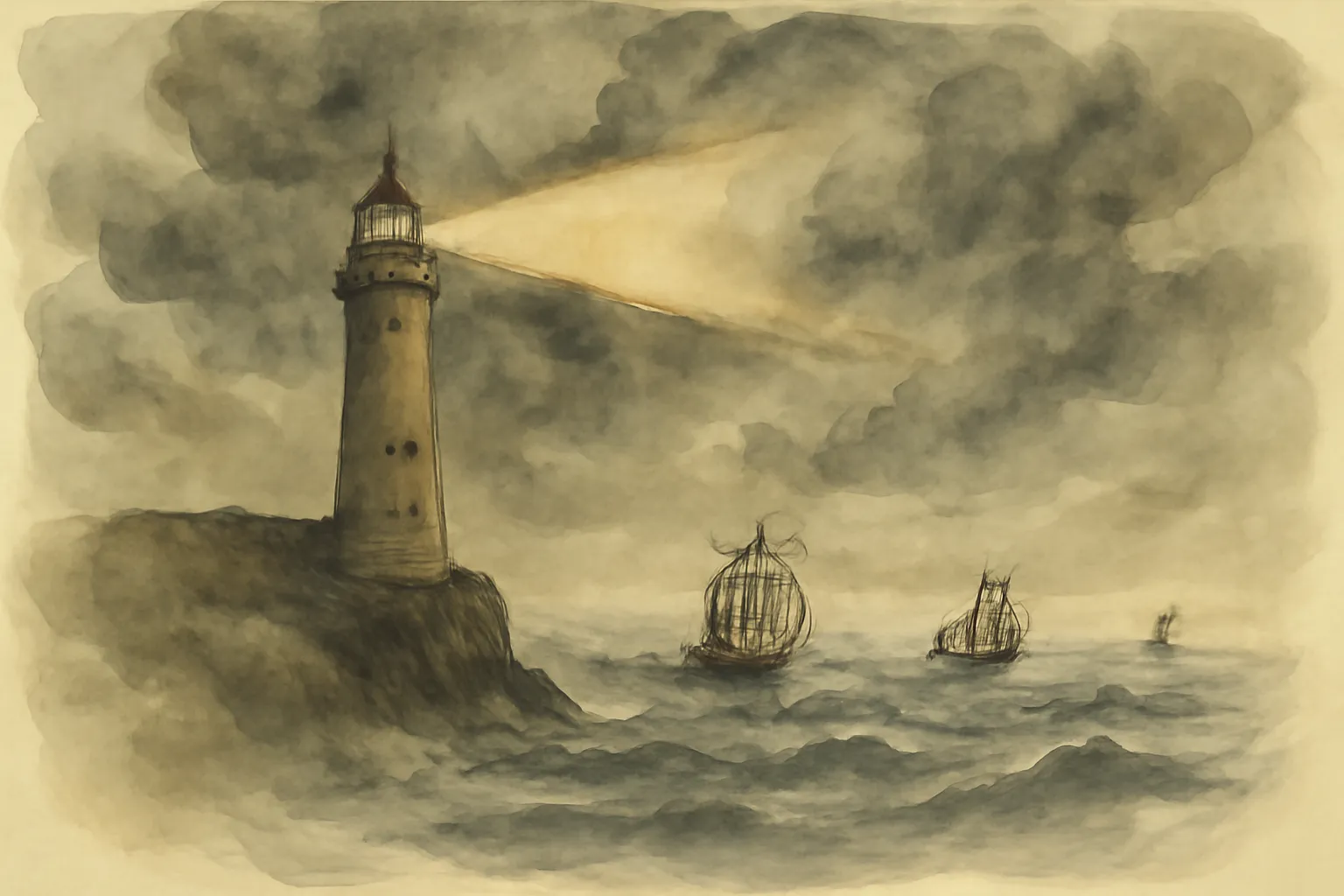
Grove introduces the concept of Strategic Inflection Points—crucial moments when the fundamentals of business shift dramatically, often due to technological innovation, market forces, or competitive threats. SIPs are not always obvious at first, but missing them can be fatal. Grove argues that leaders must be hyper-vigilant and willing to question their assumptions to spot these turning points early. Recognizing an SIP enables a company to adapt and survive; ignoring one can lead to decline or irrelevance.
The book’s title encapsulates Grove’s core philosophy: only those who remain alert to threats and disruptions will survive in business. This isn’t about fear for its own sake, but about cultivating a healthy, productive paranoia that keeps leaders scanning for signals of change. Grove urges managers to embrace discomfort and skepticism, challenging the status quo even when things seem to be going well. This mindset fosters agility and readiness to pivot when necessary.
“Success breeds complacency. Complacency breeds failure. Only the paranoid survive.”
“Let chaos reign, then rein in chaos.”
“When spring comes, snow melts first at the periphery, because that is where it is most exposed.”
