Industrial management · Industrial productivity · Gestion d'entreprise
High Output Management by Andrew S. Grove — Summary, Key Ideas & Quotes
1983235 pages✦ 3-min Big ideas★ 4.2 (14)
Rate it
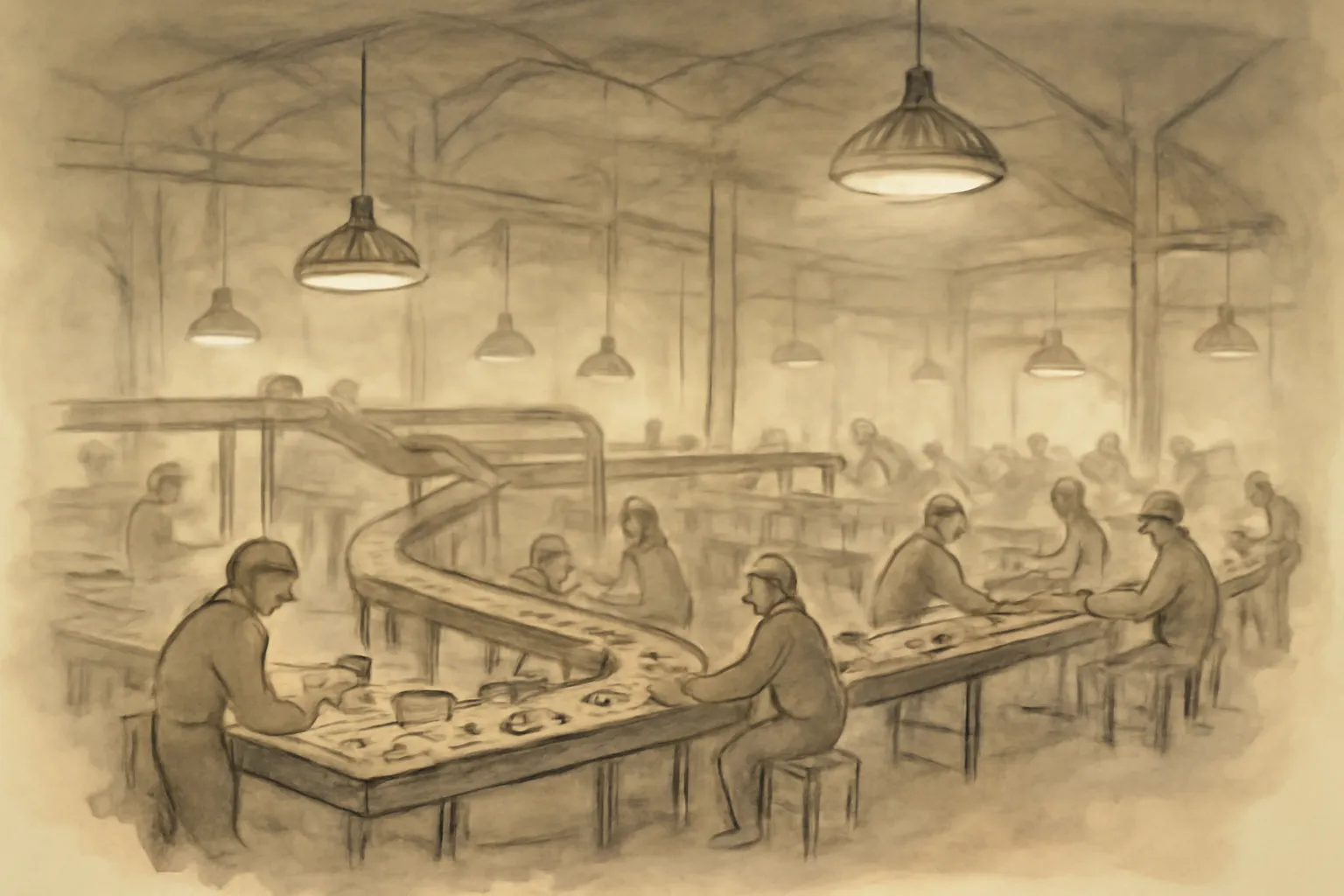
Grove reframes the manager’s role as a force multiplier: your value is measured not by your own output, but by the output of your team and those you influence. This shifts focus from individual achievement to enabling others, emphasizing that a manager’s real job is to create the conditions for high performance, remove obstacles, and ensure the right priorities are set.
Leverage is a central concept: managers should spend their time on activities that have the greatest impact on results. This means prioritizing tasks like decision-making, coaching, and process improvement over low-leverage work. Grove urges managers to constantly ask themselves whether what they’re doing is the highest-value use of their time.
“Let chaos reign, then rein in chaos.”
“A manager’s output = the output of his organization + the output of the neighboring organizations under his influence.”
“Just as you would not permit a fellow employee to steal a piece of office equipment, you should not let anyone walk away with the time of his fellow managers.”