1.Management as a Multiplicative Force
Grove reframes the manager’s role as a force multiplier: your value is measured not by your own output, but by the output of your team and those you influence. This shifts focus from individual achievement to enabling others, emphasizing that a manager’s real job is to create the conditions for high performance, remove obstacles, and ensure the right priorities are set.
2.The Power of Leverage
Leverage is a central concept: managers should spend their time on activities that have the greatest impact on results. This means prioritizing tasks like decision-making, coaching, and process improvement over low-leverage work. Grove urges managers to constantly ask themselves whether what they’re doing is the highest-value use of their time.
3.The Breakfast Factory Analogy
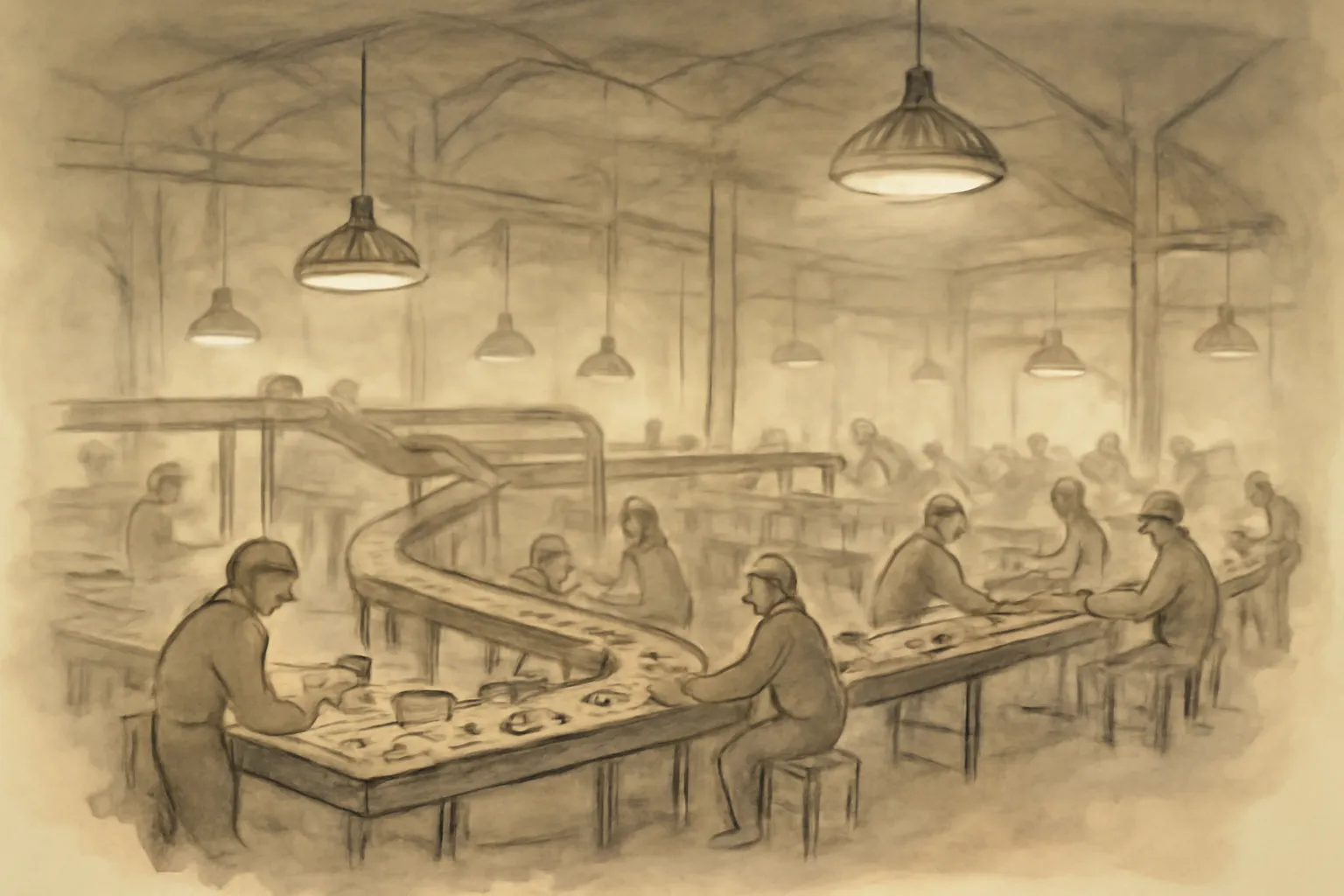
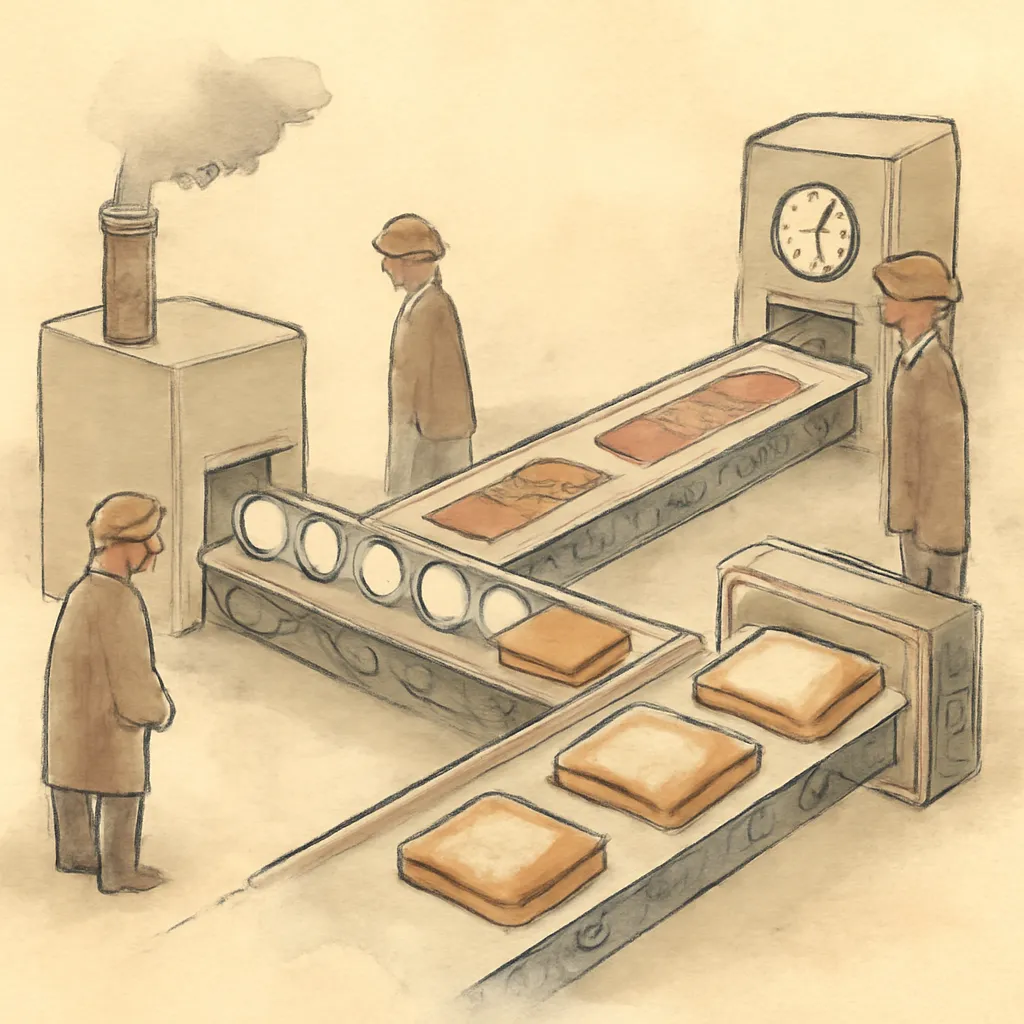
Using the metaphor of running a breakfast factory, Grove illustrates the importance of managing processes, not just people. He breaks down complex operations into measurable steps, showing how bottlenecks, quality control, and resource allocation apply to any organization. This analogy helps demystify management by making it concrete and systematic.
4.Meetings as a Managerial Tool
Rather than seeing meetings as a waste, Grove argues they are a vital managerial tool—when run well. He distinguishes between different types (one-on-ones, staff meetings, decision meetings) and explains how each serves a unique function, from information flow to coaching and alignment. Effective meetings are a lever for multiplying impact.
5.Task-Relevant Maturity
Grove introduces the idea that how you manage someone should depend on their experience with the specific task at hand, not just their seniority. The less experienced someone is with a task, the more direction and oversight they need. As their competence grows, managers should shift to a more hands-off approach.
6.Performance Measurement and Feedback
Grove makes a strong case for clear, quantitative performance indicators and regular feedback. He emphasizes that what gets measured gets managed, but warns against measuring the wrong things. Constructive feedback, both positive and negative, is essential for growth and must be delivered candidly and frequently.