
Orbital by Samantha Harvey — Summary, Key Ideas & Quotes
2023144 pages✦ 3-min Big ideas★ 3.0 (1)
Rate it
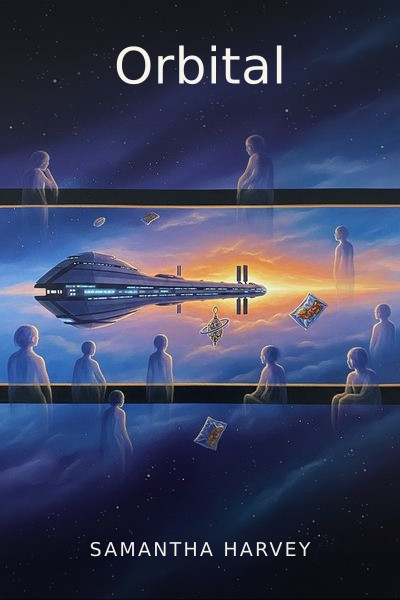
A slender novel of epic power and the winner of the Booker Prize 2024, Orbital deftly snapshots one day in the lives of six women and men traveling through space. Selected for one of the last space station missions of its kind before the program is dismantled, these astronauts and cosmonauts—from America, Russia, Italy, Britain, and Japan—have left their lives behind to travel at a speed of over seventeen thousand miles an hour as the earth reels below. We glimpse moments of their earthly lives through brief communications with family, their photos and talismans; we watch them whip up dehydrated meals, float in gravity-free sleep, and exercise in regimented routines to prevent atrophying muscles; we witness them form bonds that will stand between them and utter solitude. Most of all, we are with them as they behold and record their silent blue planet. Their experiences of sixteen sunrises and sunsets and the bright, blinking constellations of the galaxy are at once breathtakingly awesome and surprisingly intimate.
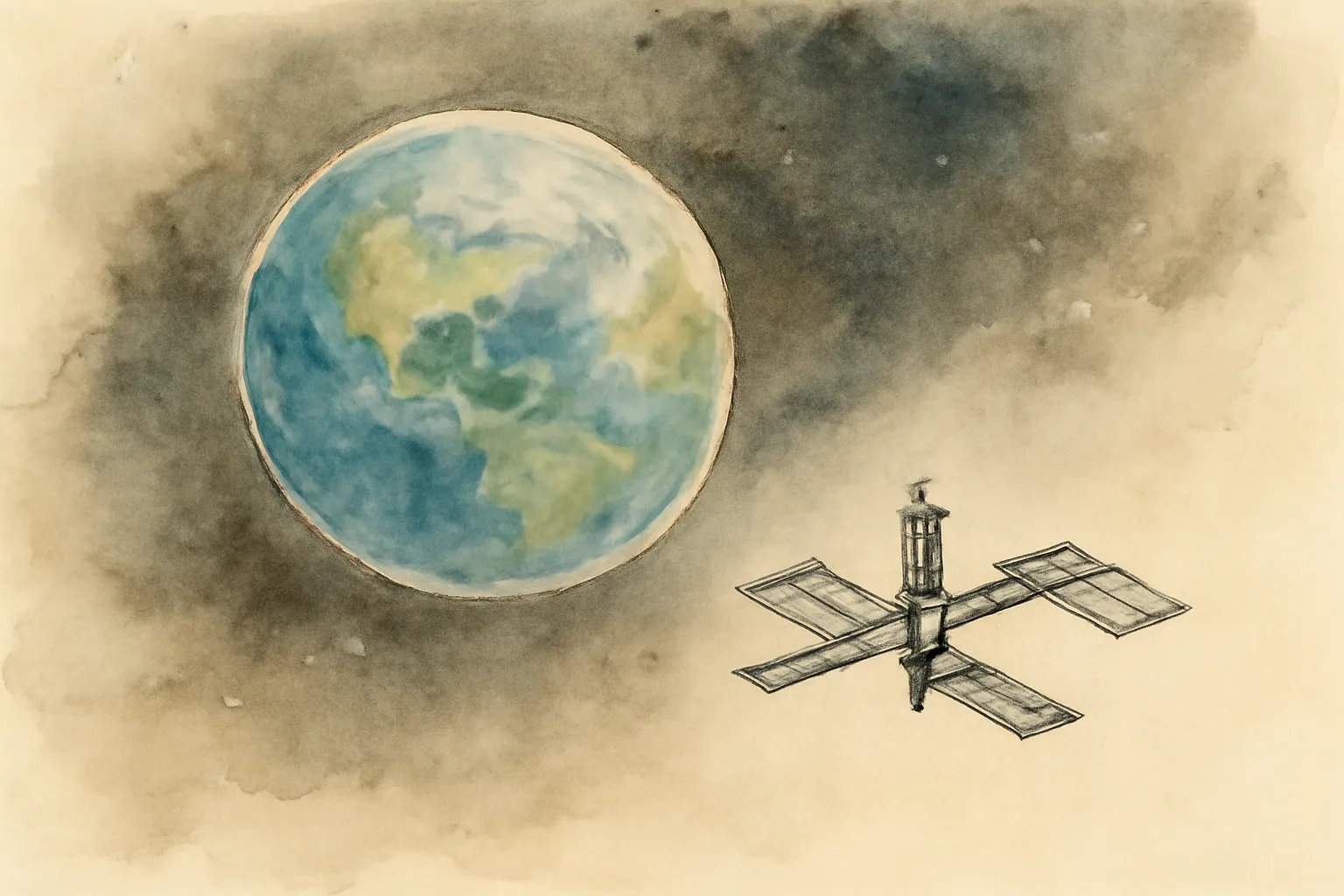
Harvey’s narrative continually returns to the astronauts’ view of Earth, emphasizing its vulnerability and splendor when seen from afar. The planet's thin atmosphere, shifting weather, and borderless continents evoke a sense of unity and precariousness. This perspective fosters both wonder and a subtle environmental consciousness, reminding readers of the interconnectedness and impermanence of life below.
Despite the technological marvel of the space station, the crew’s experience is defined by distance—from home, from gravity, from ordinary life. Yet, in their isolation, they forge deep bonds with each other, sharing stories, rituals, and fleeting communications with loved ones. Harvey explores how shared vulnerability and the need for connection persist, even when physically cut off from the world.