1.The Fragility and Beauty of Earth
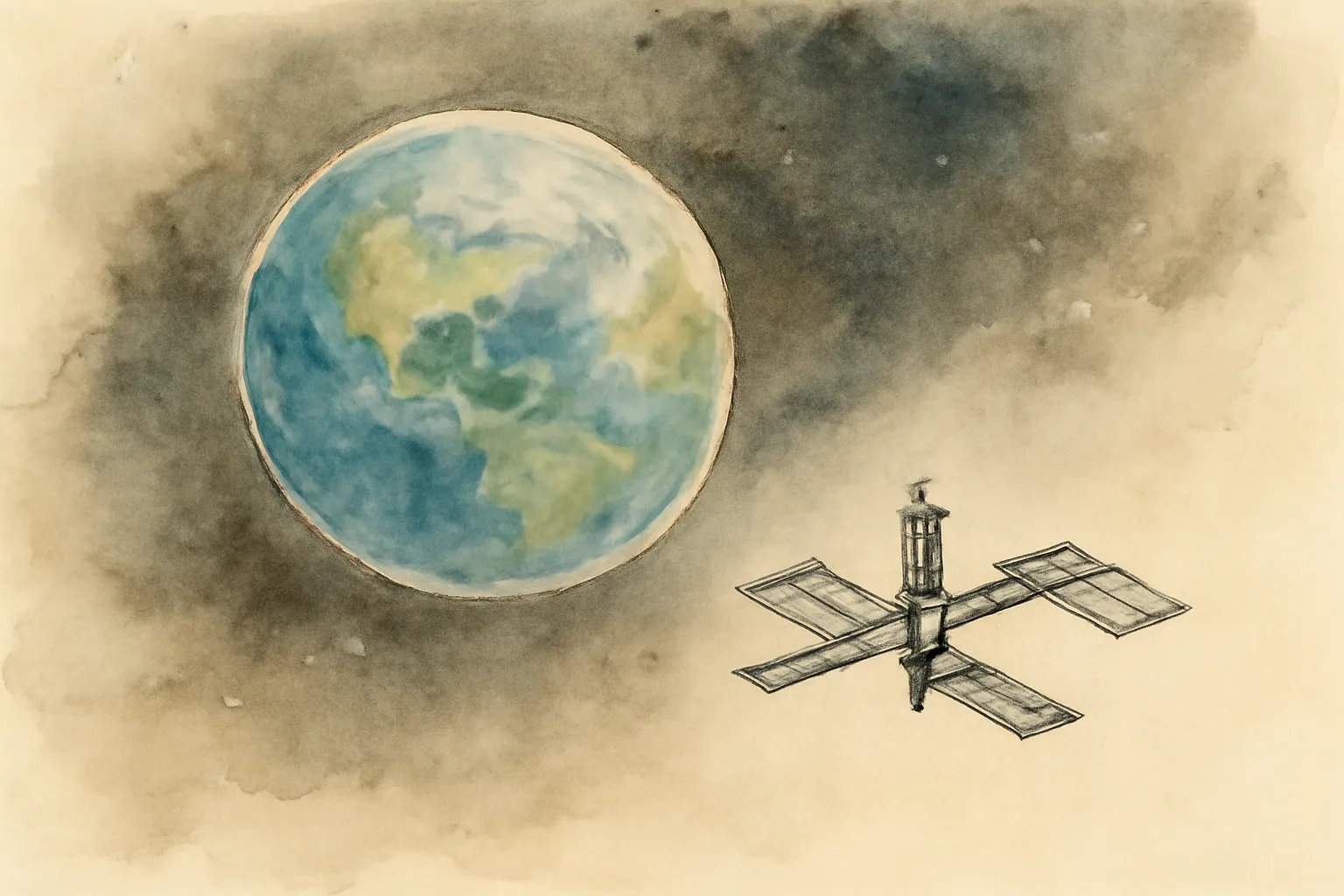
Harvey’s narrative continually returns to the astronauts’ view of Earth, emphasizing its vulnerability and splendor when seen from afar. The planet's thin atmosphere, shifting weather, and borderless continents evoke a sense of unity and precariousness. This perspective fosters both wonder and a subtle environmental consciousness, reminding readers of the interconnectedness and impermanence of life below.
2.Isolation and Human Connection
Despite the technological marvel of the space station, the crew’s experience is defined by distance—from home, from gravity, from ordinary life. Yet, in their isolation, they forge deep bonds with each other, sharing stories, rituals, and fleeting communications with loved ones. Harvey explores how shared vulnerability and the need for connection persist, even when physically cut off from the world.
3.The Ordinary Within the Extraordinary
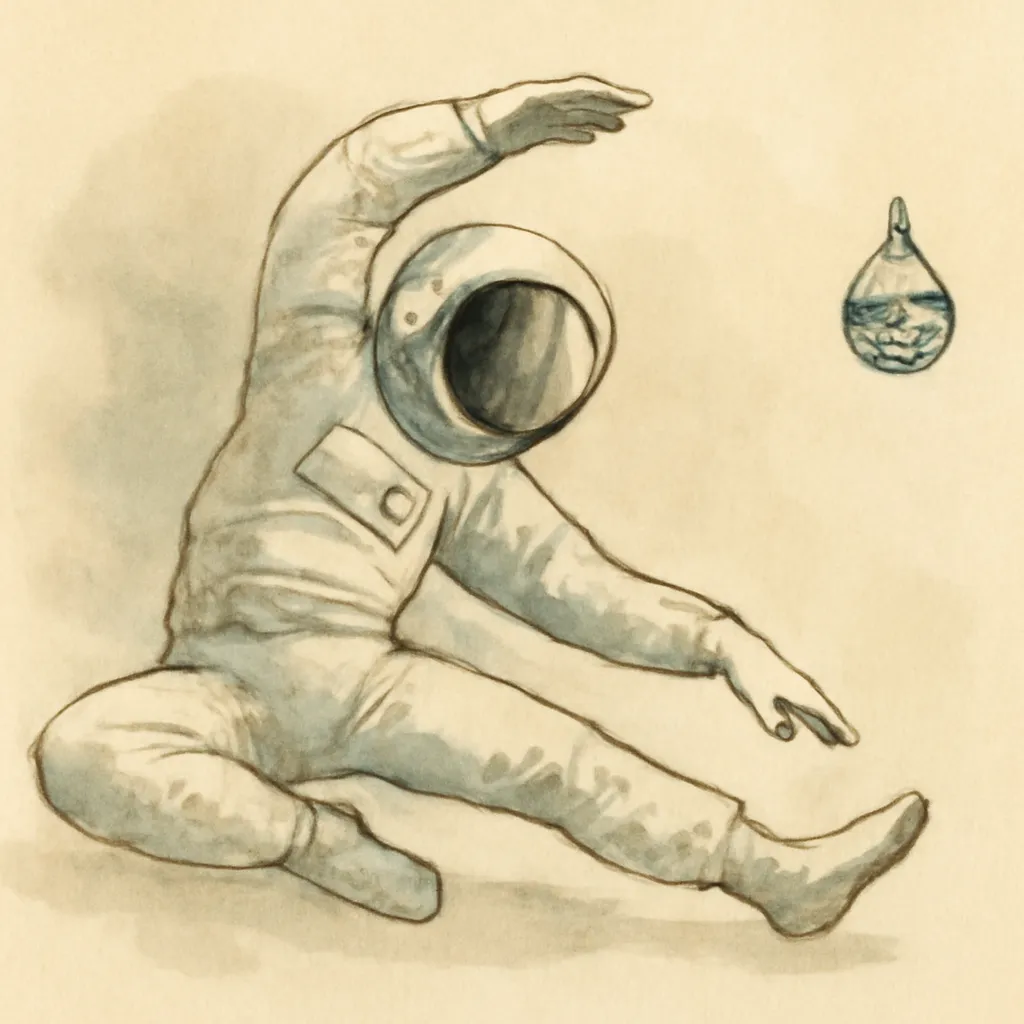
Orbital is remarkable for its attention to the mundane details of life in space: meals, exercise, sleep, and small talk. These routines ground the narrative, highlighting how the extraordinary setting does not erase the ordinary rhythms of being human. The novel suggests that meaning is found not just in grand gestures, but in the repetition and sharing of daily life.
4.Cultural and Personal Identity in a Borderless Setting
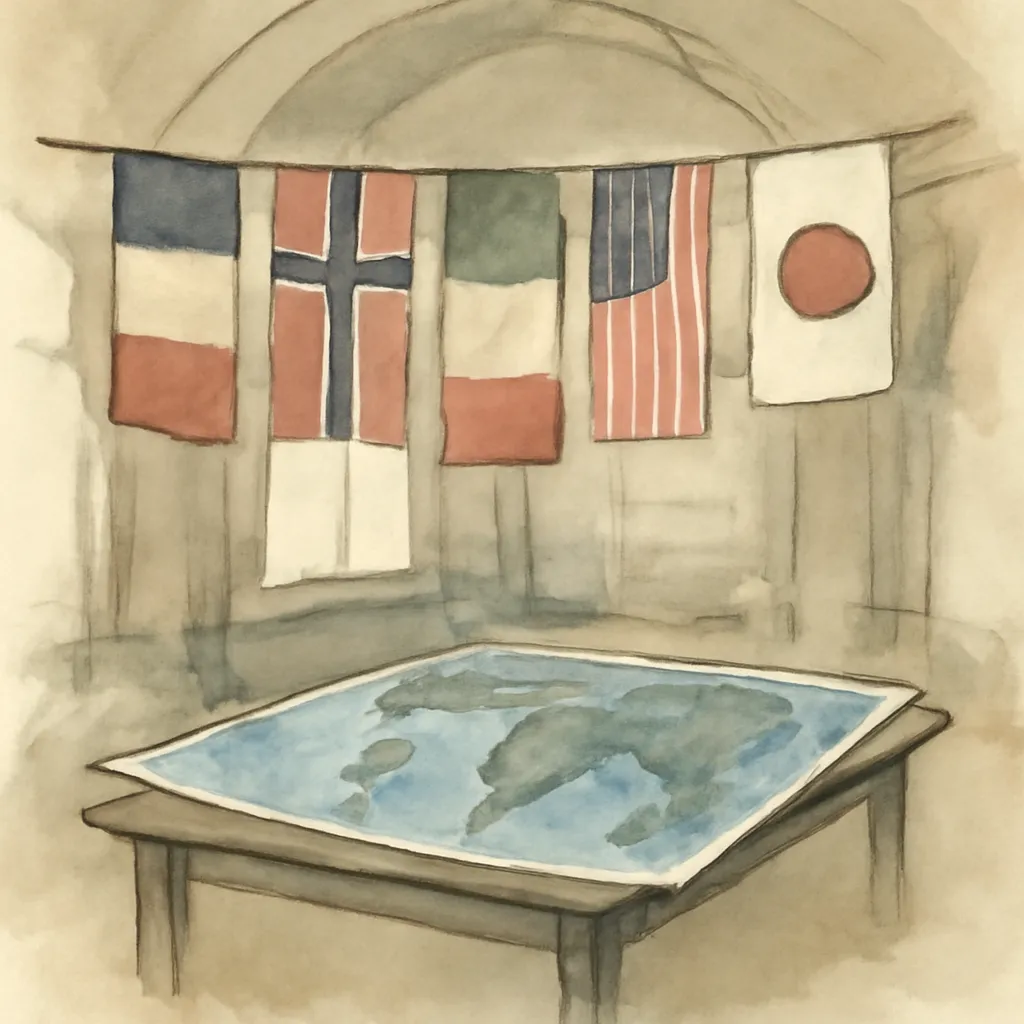
The international makeup of the crew brings together diverse backgrounds, languages, and perspectives. Harvey subtly examines how personal and national identities persist and adapt in an environment where Earthly divisions are literally out of sight. The station becomes a microcosm for coexistence, negotiation, and the blending of traditions.
5.Time, Memory, and Ephemerality
The novel’s structure—one day, sixteen sunrises and sunsets—underscores the fluidity of time in orbit. The astronauts’ thoughts drift between present routines and memories of life on Earth, blurring the boundaries between past and present. Harvey uses this temporal dislocation to explore how memory shapes identity and how fleeting moments can carry profound significance.
6.Bearing Witness and the Power of Perspective
By focusing on the act of observation—of Earth, of each other, of themselves—Harvey suggests that bearing witness is a vital human task. The astronauts’ logs, photographs, and silent contemplation become acts of meaning-making, inviting readers to consider how perspective shapes understanding and empathy.