

Biography & Autobiography · Nonfiction · History
Personal Memoirs of Ulysses S. Grant by Ulysses S. Grant — Summary, Key Ideas & Quotes
1894618 pages✦ 3-min Big ideas★ 4.0 (1)
Rate it
Tracing his ancestry, Grant gives insight into the upbringing of a heralded military and political leader. On a broader scale, his first-person account of America’s armed forces outlines both civil and foreign insurrection.Grant wrote the two-volume Memoirs, published by Mark Twain, during his final battle – a battle against cancer that he would ultimately lose.
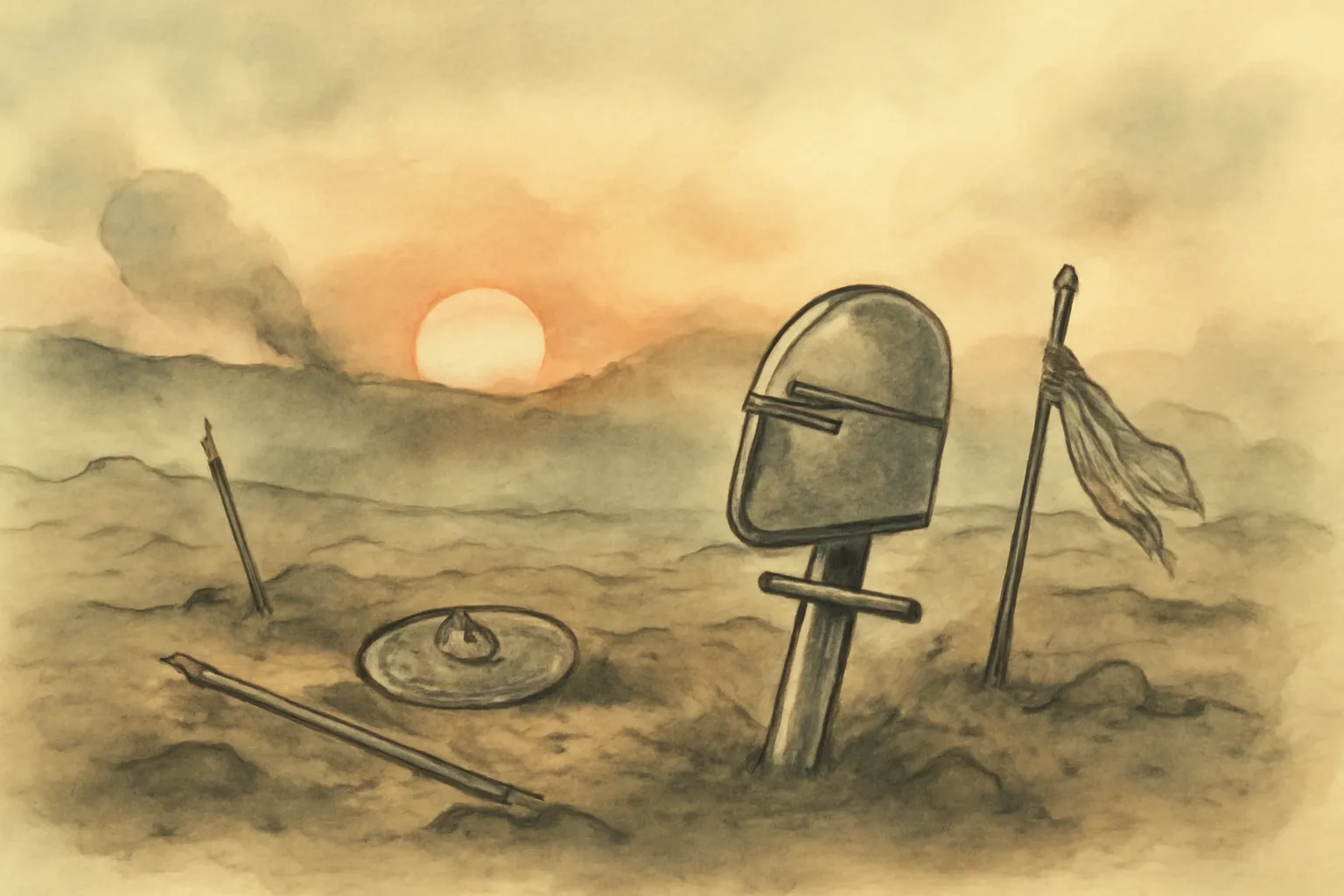
Grant’s memoirs are renowned for their candor. He openly discusses his failures and shortcomings, from his early struggles in civilian life to mistakes made on the battlefield. This self-awareness sets his account apart from many contemporaries, offering a rare humility and willingness to learn from error. Readers gain insight into the personal growth of a leader shaped by adversity, and the importance of self-critique in leadership.
Grant does not romanticize combat. His descriptions of battles, logistics, and the suffering of soldiers are matter-of-fact, often highlighting the chaos and unpredictability of war. He emphasizes the human cost, the confusion of campaigns, and the constant need for adaptation. This realism strips away myths of glory, instead presenting war as a grim necessity that demands resilience and clarity.
“The art of war is simple enough. Find out where your enemy is. Get at him as soon as you can. Strike him as hard as you can, and keep moving on.”
“I propose to fight it out on this line if it takes all summer.”
“In every battle there comes a time when both sides consider themselves beaten, then he who continues the attack wins.”