1.Unvarnished Honesty and Self-Reflection
Grant’s memoirs are renowned for their candor. He openly discusses his failures and shortcomings, from his early struggles in civilian life to mistakes made on the battlefield. This self-awareness sets his account apart from many contemporaries, offering a rare humility and willingness to learn from error. Readers gain insight into the personal growth of a leader shaped by adversity, and the importance of self-critique in leadership.
2.The Realities of War
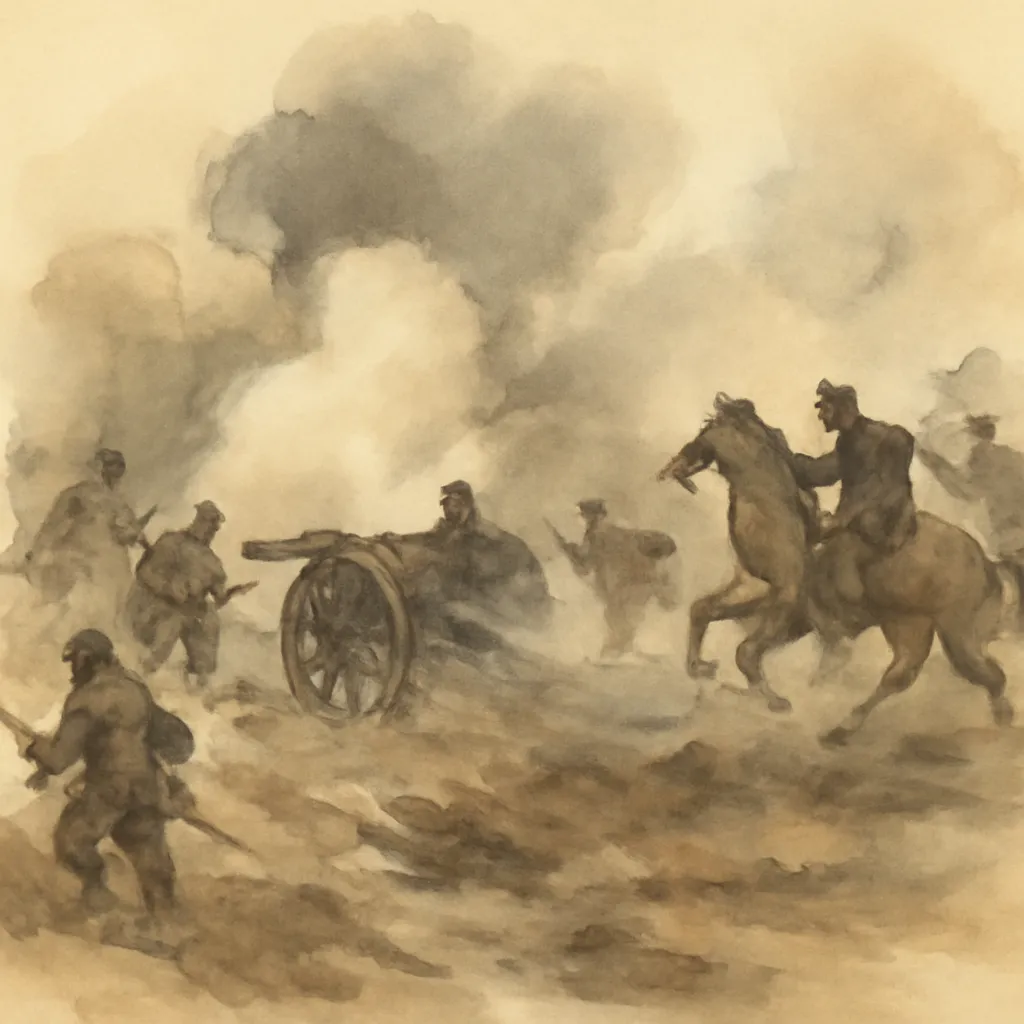
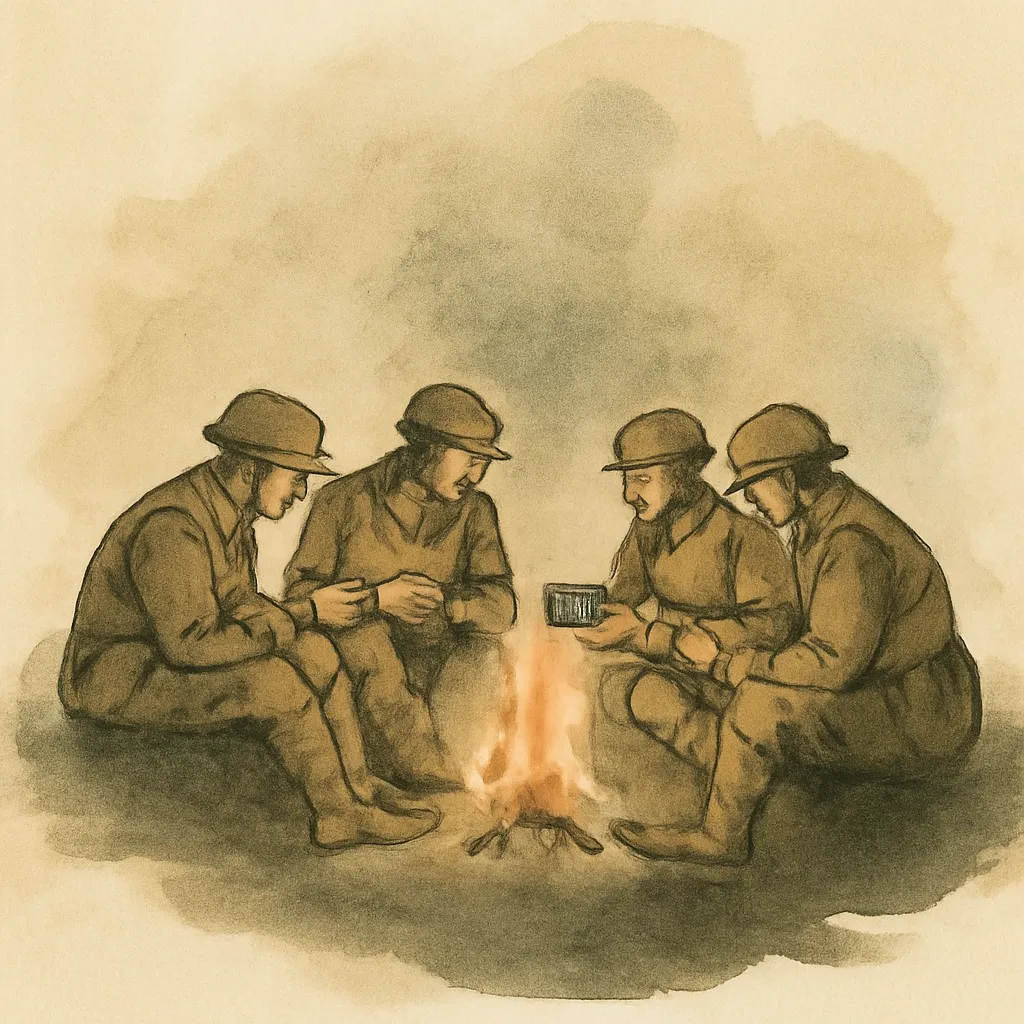
Grant does not romanticize combat. His descriptions of battles, logistics, and the suffering of soldiers are matter-of-fact, often highlighting the chaos and unpredictability of war. He emphasizes the human cost, the confusion of campaigns, and the constant need for adaptation. This realism strips away myths of glory, instead presenting war as a grim necessity that demands resilience and clarity.
3.Leadership Through Simplicity and Decisiveness
Throughout his memoirs, Grant demonstrates a preference for clear, simple strategies and direct orders. He credits much of his success to acting decisively and not overcomplicating plans. His leadership style is pragmatic, focused on achievable objectives, and marked by a calm under pressure. Readers interested in leadership will find enduring lessons in Grant’s emphasis on clarity, responsibility, and action.
4.Moral Clarity on Slavery and Union
While Grant was not initially an abolitionist, his experiences during the war led him to a strong conviction about the necessity of ending slavery. He frames the Civil War as a fight for the preservation of the Union and the end of a moral wrong. His reflections on emancipation and reconciliation show a leader grappling with the ethical stakes of the conflict, and evolving in his understanding of justice.
5.The Value of Teamwork and Trust
Grant repeatedly credits the contributions of his subordinates and recognizes the importance of collaboration. He details his relationships with figures like Sherman and Sheridan, emphasizing mutual trust and respect. This focus on teamwork, rather than individual glory, reveals his belief in the collective effort required for victory and effective leadership.
6.A Window into 19th-Century America
Beyond the battlefield, Grant’s memoirs provide a vivid portrait of American society, politics, and military culture in the mid-1800s. His observations on West Point, frontier life, and the divisions that led to civil war offer valuable context for understanding the era. The book serves as both personal testimony and a historical document.