

Economic assistance · Poverty · Prevention
Poor Economics by Abhijit V. Banerjee and Esther Duflo — Summary, Key Ideas & Quotes
2011320 pages✦ 3-min Big ideas★ 4.1 (7)
Rate it
"Billions of government dollars, and thousands of charitable organizations and NGOs, are dedicated to helping the world's poor. But much of the work they do is based on assumptions that are untested generalizations at best, flat out harmful misperceptions at worst. Banerjee and Duflo have pioneered the use of randomized control trials in development economics. Work based on these principles, supervised by the Poverty Action Lab at MIT, is being carried out in dozens of countries. Their work transforms certain presumptions: that microfinance is a cure-all, that schooling equals learning, that poverty at the level of 99 cents a day is just a more extreme version of the experience any of us have when our income falls uncomfortably low. Throughout, the authors emphasize that life for the poor is simply not like life for everyone else: it is a much more perilous adventure, denied many of the cushions and advantages that are routinely provided to the more affluent"--
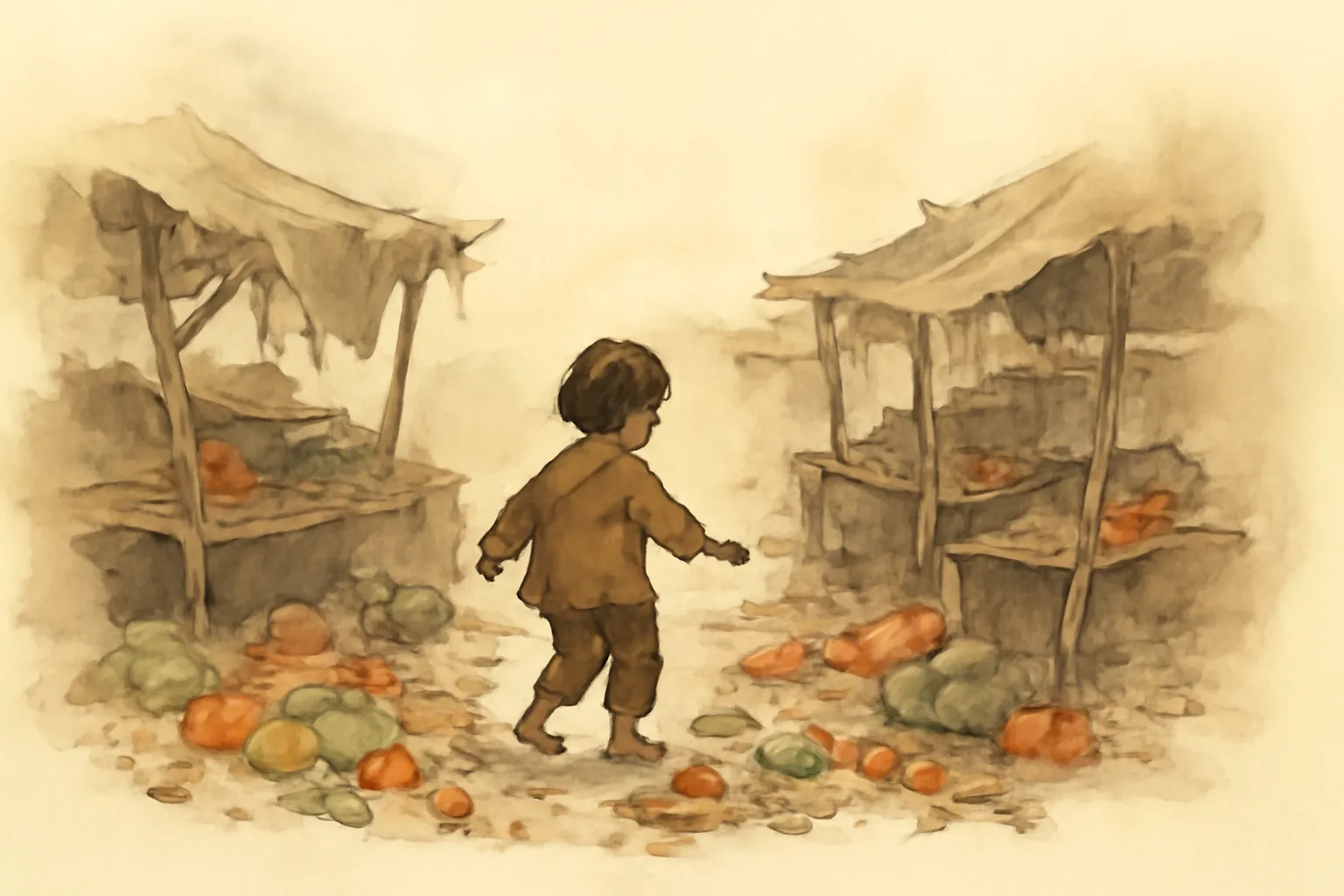
Banerjee and Duflo argue that poverty is not simply a lack of money, but a complex web of constraints, risks, and choices. Rather than viewing the poor as a homogenous group, they emphasize the diversity of circumstances and the rationality behind seemingly puzzling decisions. The book challenges the idea that poverty is just a more intense version of being low-income, showing that the daily reality of the poor involves unique vulnerabilities and trade-offs that outsiders often overlook.
A central innovation of 'Poor Economics' is the use of randomized controlled trials (RCTs) to test anti-poverty interventions. The authors demonstrate how RCTs can reveal what actually helps people escape poverty, cutting through ideology and wishful thinking. However, they also caution that RCTs are not a silver bullet: results are often context-specific, and scaling up solutions requires careful adaptation to local conditions.
“The poor often behave rationally, but within a system that is stacked against them.”
“There are no magic bullets in development.”