
History · Nonfiction · Europe, history, 1945-
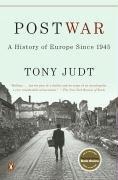
Postwar: A History of Europe Since 1945 by Tony Judt — Summary, Key Ideas & Quotes
2005915 pages✦ 3-min Big ideas★ 3.3 (6)
Rate it
The first truly European history of contemporary Europe, from Lisbon to Leningrad, based on research in six languages, covering 34 countries across 60 years, using a great deal of material from newly available sources. The book integrates international relations, domestic politics, ideas, social change, economic development, and culture--high and low--into a single grand narrative. Every country has its chance to play the lead, and although the big themes are handled--including the cold war, the love/hate relationship with America, cultural and economic malaise and rebirth, and the myth and reality of unification--none of them is allowed to overshadow the rich pageant that is the whole.--From publisher description.
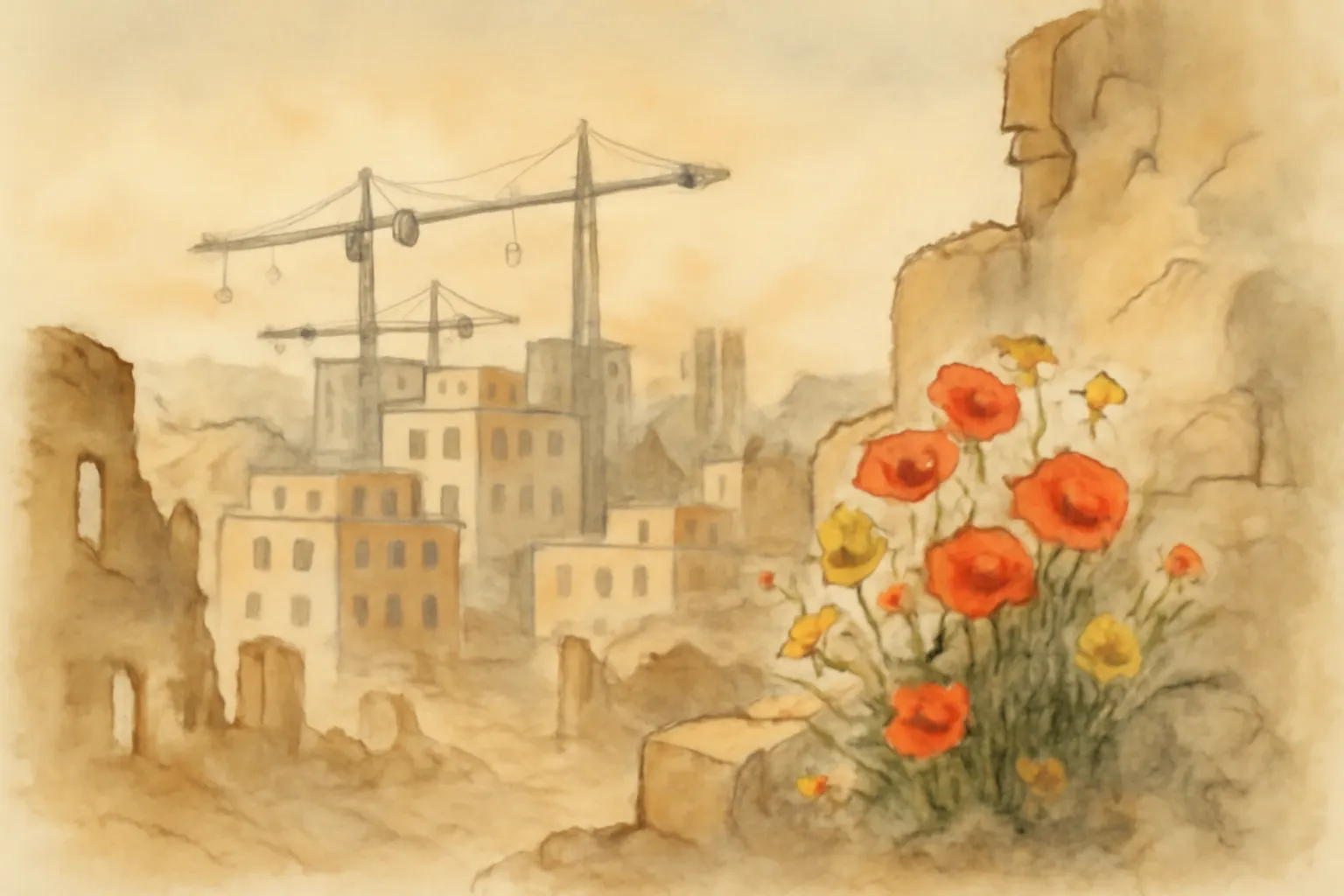
Judt frames the post-1945 period as a time of unprecedented reinvention, with Europe emerging from devastation to embark on a project of reconstruction and reconciliation. He highlights how the continent’s leaders and citizens confronted the moral and physical wreckage of war, leading to new political settlements, welfare states, and a determination to avoid repeating the past. This reinvention was not just about rebuilding cities, but about fundamentally rethinking European identities and values.
A central theme is the division of Europe into Western democracies and Eastern communist states. Judt details how this split shaped everything from economic development to cultural life, and how the Iron Curtain was as much a psychological barrier as a physical one. He explores the lived experiences of those on both sides, showing how the Cold War defined aspirations, fears, and even everyday routines, until the dramatic revolutions of 1989.
“The problem with Europe is not that it is post-national, but that it is post-modern.”
“For the first time in history, Europe was at peace with itself.”