1.Europe’s Reinvention After Catastrophe
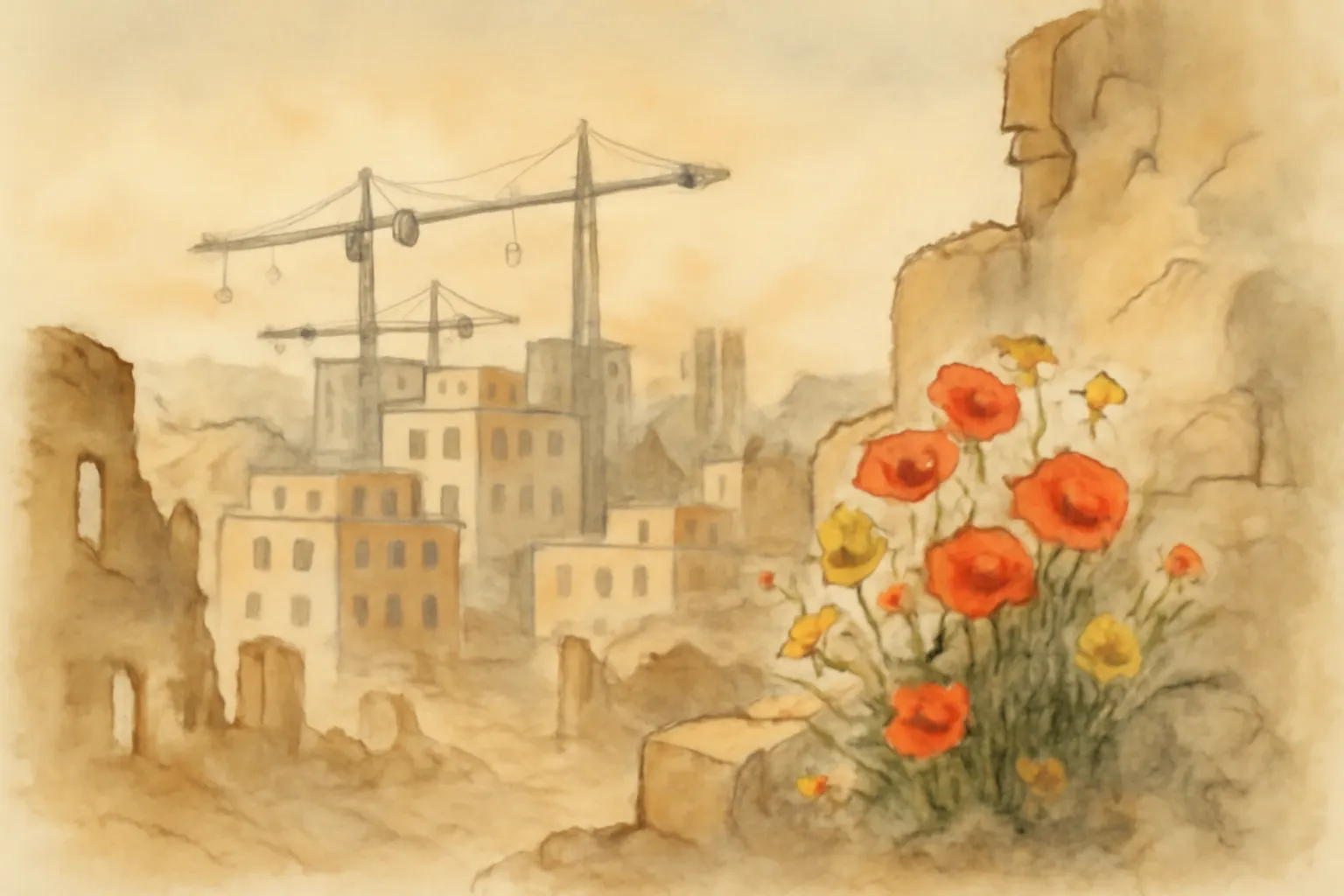
Judt frames the post-1945 period as a time of unprecedented reinvention, with Europe emerging from devastation to embark on a project of reconstruction and reconciliation. He highlights how the continent’s leaders and citizens confronted the moral and physical wreckage of war, leading to new political settlements, welfare states, and a determination to avoid repeating the past. This reinvention was not just about rebuilding cities, but about fundamentally rethinking European identities and values.
2.The East-West Divide and Its Consequences
A central theme is the division of Europe into Western democracies and Eastern communist states. Judt details how this split shaped everything from economic development to cultural life, and how the Iron Curtain was as much a psychological barrier as a physical one. He explores the lived experiences of those on both sides, showing how the Cold War defined aspirations, fears, and even everyday routines, until the dramatic revolutions of 1989.
3.The American Influence: Admiration and Anxiety
Judt explores Europe’s complex relationship with the United States, which oscillated between gratitude for liberation and Marshall Plan aid, and resentment or anxiety about American cultural and economic dominance. He shows how this dynamic shaped European self-understanding, fueling both emulation and resistance, and influencing everything from politics to pop culture.
4.Memory, Guilt, and the Politics of the Past
One of Judt’s most original contributions is his analysis of how Europeans have remembered—or tried to forget—the traumas of war, occupation, and collaboration. He traces the evolution of public memory, from silence and denial in the immediate postwar years to the later reckoning with guilt, especially regarding the Holocaust and Stalinist crimes. This engagement with the past, he argues, became central to European identity and politics.
5.Economic Miracles and Social Change
Judt charts the remarkable economic growth of the 1950s and 1960s, the rise of consumer society, and the expansion of welfare states. He connects these developments to profound social changes: urbanization, the decline of traditional classes, and the emergence of new cultural freedoms. Yet he also notes the crises of the 1970s, showing how economic uncertainty tested the postwar consensus and led to new political movements.
6.The Myth and Reality of European Unity
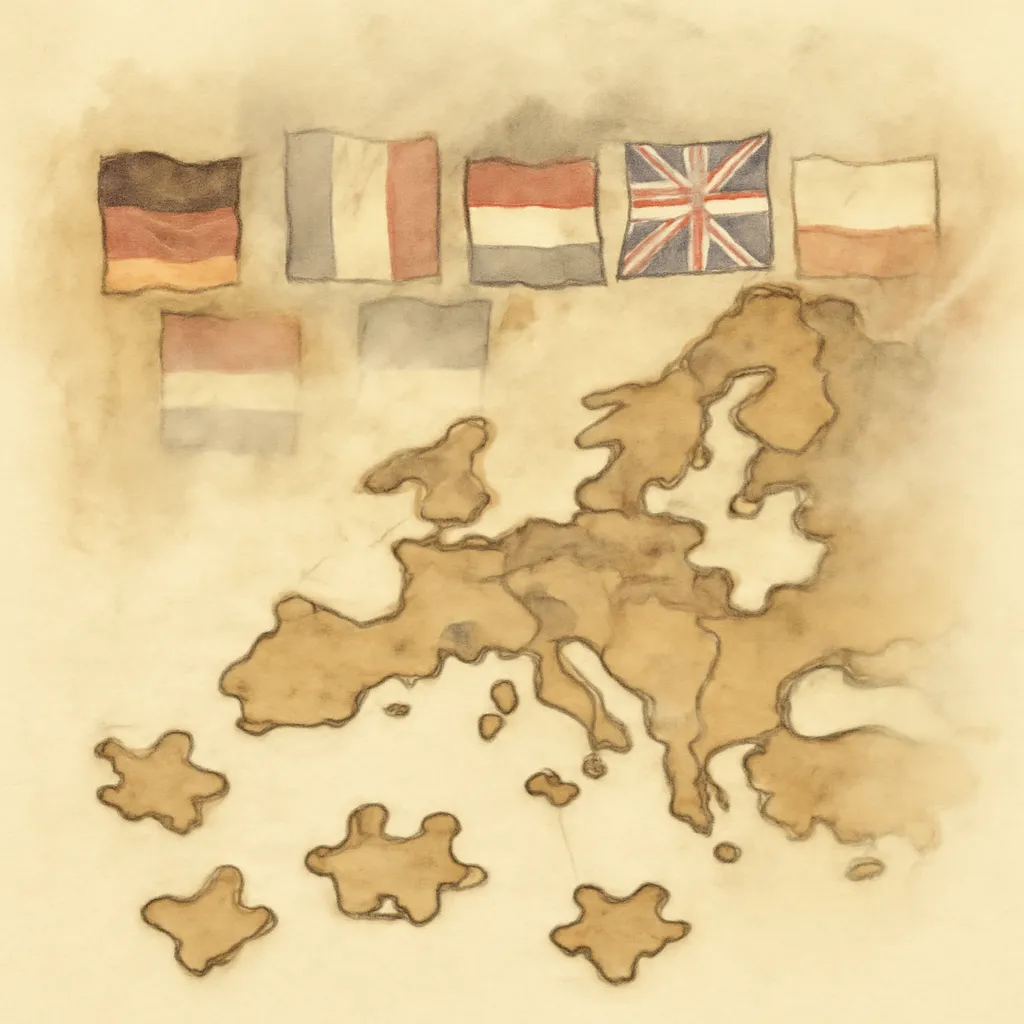
While tracing the origins and evolution of the European project, Judt is skeptical of triumphalist narratives. He acknowledges the achievements of integration, but also highlights persistent divisions, national interests, and the limits of unity. The book invites readers to see European unification as a contingent, contested process rather than an inevitable destiny.