

Ethnology · Mythology · Language and languages
Primitive Culture by Edward Burnett Tylor — Summary, Key Ideas & Quotes
2010488 pages✦ 3-min Big ideas★ 0.0
Rate it
This work has been selected by scholars as being culturally important, and is part of the knowledge base of civilization as we know it. This work is in the "public domain in the United States of America, and possibly other nations. Within the United States, you may freely copy and distribute this work, as no entity (individual or corporate) has a copyright on the body of the work. Scholars believe, and we concur, that this work is important enough to be preserved, reproduced, and made generally available to the public. We appreciate your support of the preservation process, and thank you for being an important part of keeping this knowledge alive and relevant.
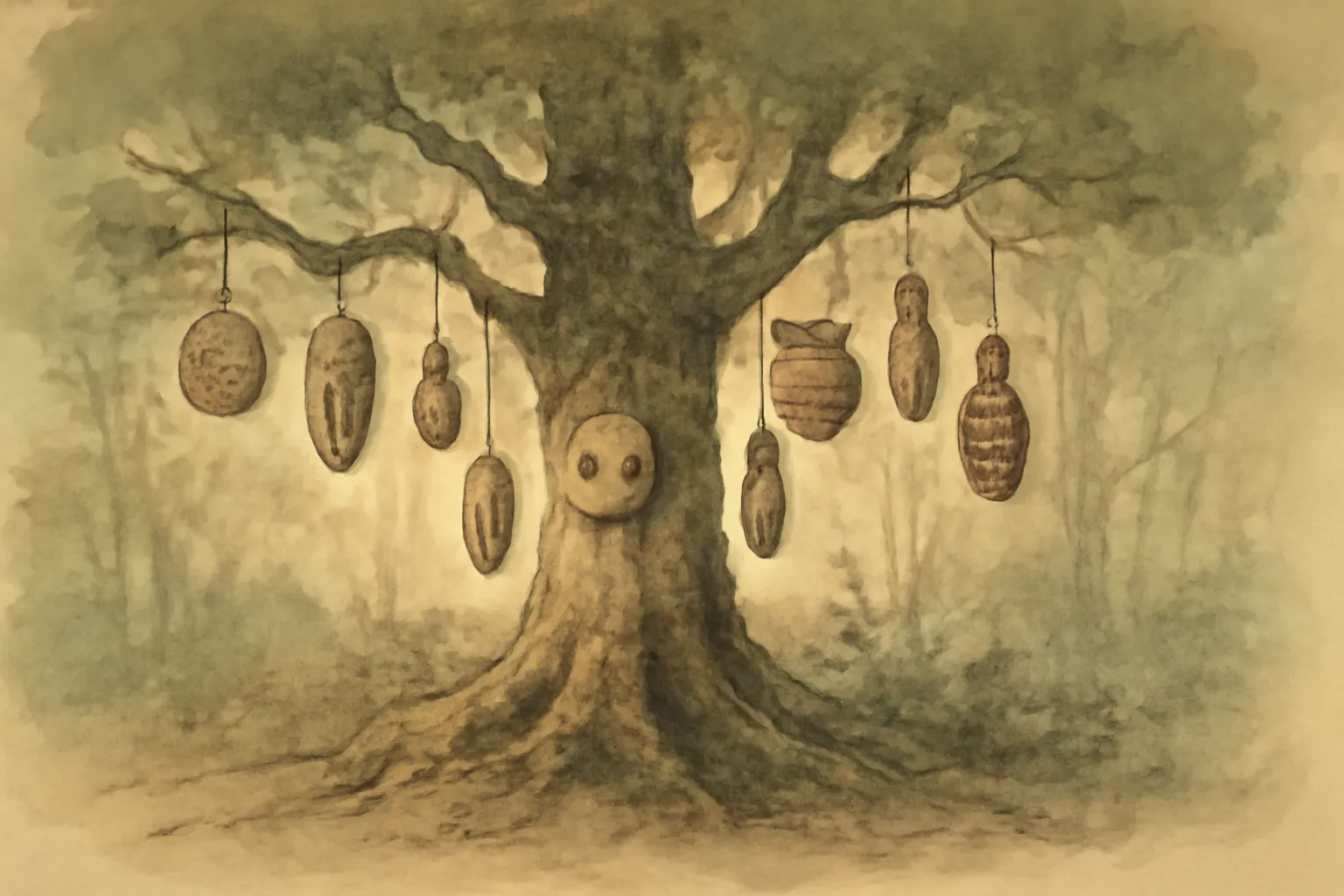
Tylor famously defined culture in broad terms, arguing that it encompasses the complex whole of knowledge, belief, art, morals, law, custom, and any other capabilities acquired by humans as members of society. This inclusive definition shifted the study of culture from a focus on 'civilized' societies to the recognition that all peoples possess culture, challenging ethnocentric hierarchies and laying the groundwork for comparative anthropology.
A central concept in Primitive Culture is 'survivals'—customs, beliefs, and practices that persist into the present from earlier cultural stages, even after their original context or purpose has faded. Tylor uses examples like superstitions and rituals to illustrate how vestiges of the past can illuminate the evolution of human thought, providing a method for reconstructing earlier stages of culture through contemporary remnants.
“Culture or Civilization, taken in its wide ethnographic sense, is that complex whole which includes knowledge, belief, art, morals, law, custom, and any other capabilities and habits acquired by man as a member of society.”