1.Culture as a Universal Human Trait
Tylor famously defined culture in broad terms, arguing that it encompasses the complex whole of knowledge, belief, art, morals, law, custom, and any other capabilities acquired by humans as members of society. This inclusive definition shifted the study of culture from a focus on 'civilized' societies to the recognition that all peoples possess culture, challenging ethnocentric hierarchies and laying the groundwork for comparative anthropology.
2.The Doctrine of Survivals
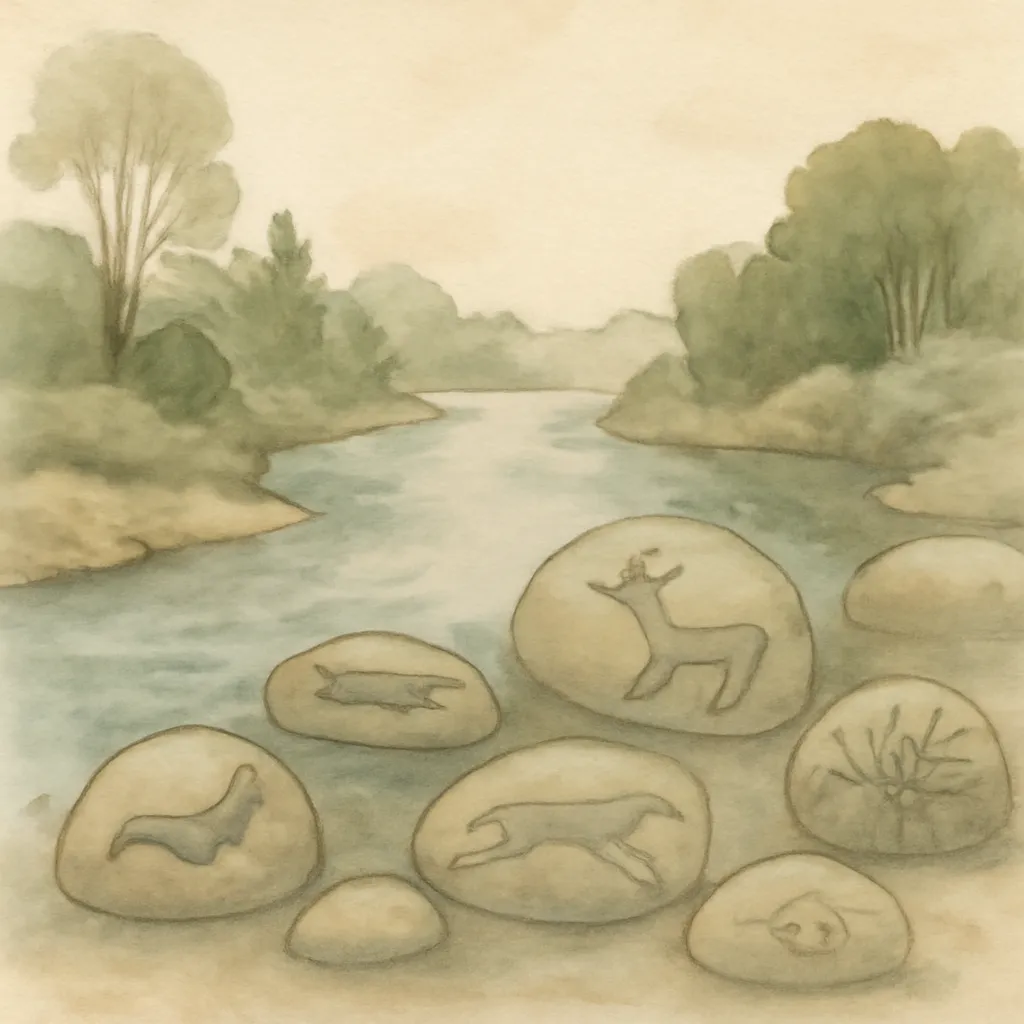
A central concept in Primitive Culture is 'survivals'—customs, beliefs, and practices that persist into the present from earlier cultural stages, even after their original context or purpose has faded. Tylor uses examples like superstitions and rituals to illustrate how vestiges of the past can illuminate the evolution of human thought, providing a method for reconstructing earlier stages of culture through contemporary remnants.
3.Animism and the Origins of Religion
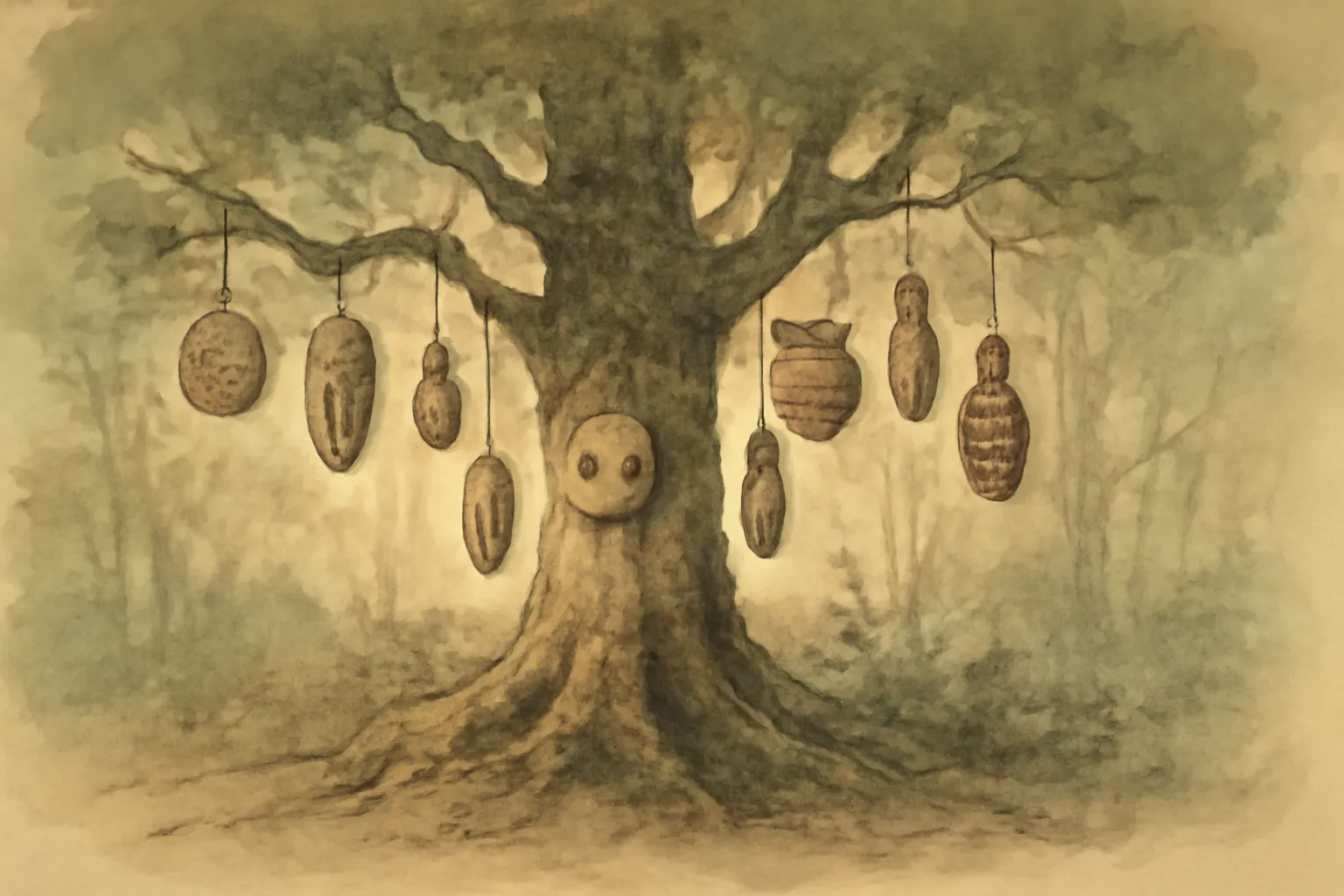
Tylor introduces 'animism' as the earliest form of religious belief, positing that primitive peoples attributed souls or spirits to objects, animals, and natural phenomena. He argues that the human tendency to explain the world through spiritual agency is the root of all religion, and that more complex religious systems evolved from these animistic beginnings. This theory was groundbreaking in its attempt to explain religion as a natural, rather than supernatural, phenomenon.
4.The Evolutionary Model of Culture
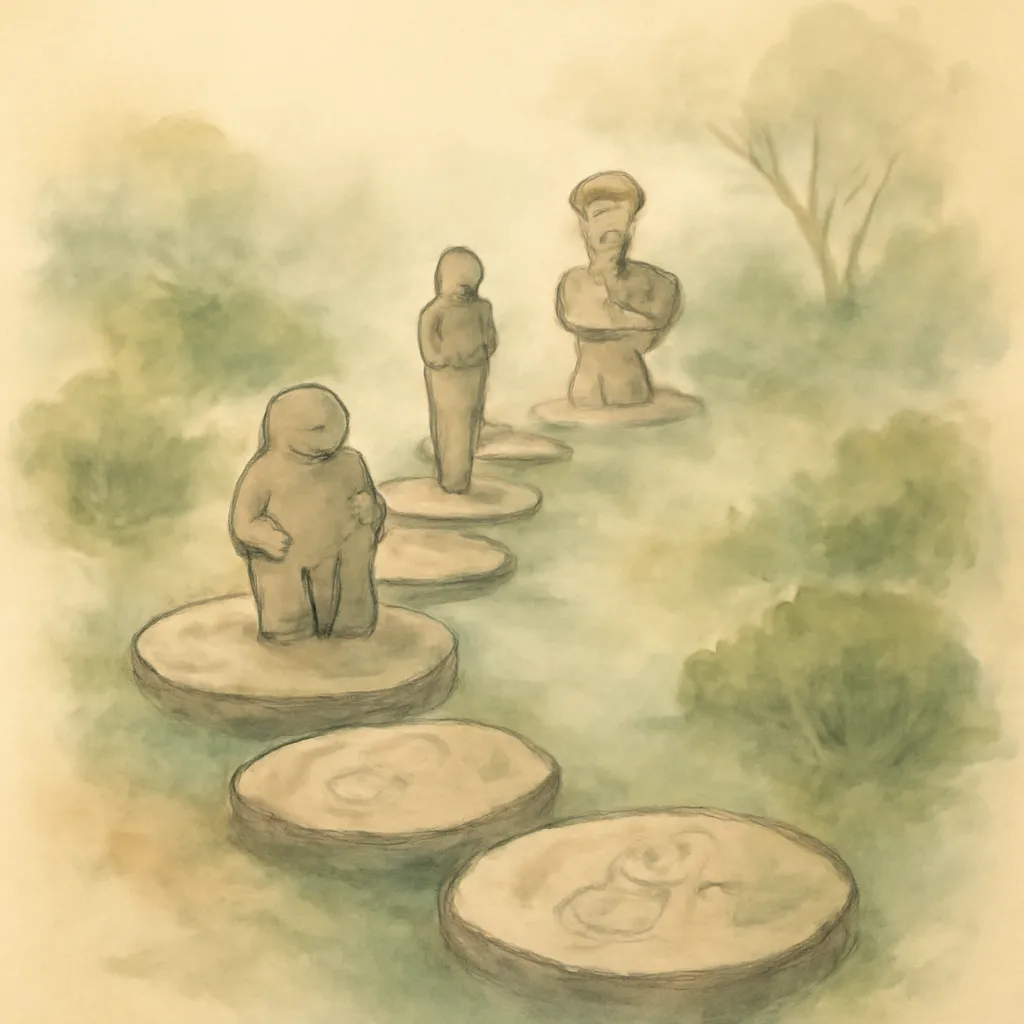
Tylor applies an evolutionary framework to culture, arguing that societies progress through stages from 'savagery' to 'barbarism' to 'civilization.' While this model reflects the biases of his era, it was influential in promoting the idea that cultural traits can be compared and traced across societies and time. Tylor’s approach encouraged systematic, empirical study of human societies and their development.
5.Comparative Method in Anthropology
Tylor championed the comparative method, systematically analyzing similarities and differences across cultures to uncover universal patterns and historical connections. By treating customs and beliefs as data for scientific inquiry, he helped establish anthropology as a rigorous discipline and inspired generations of scholars to seek general principles underlying human culture.
6.Rationalism and the Study of Myth
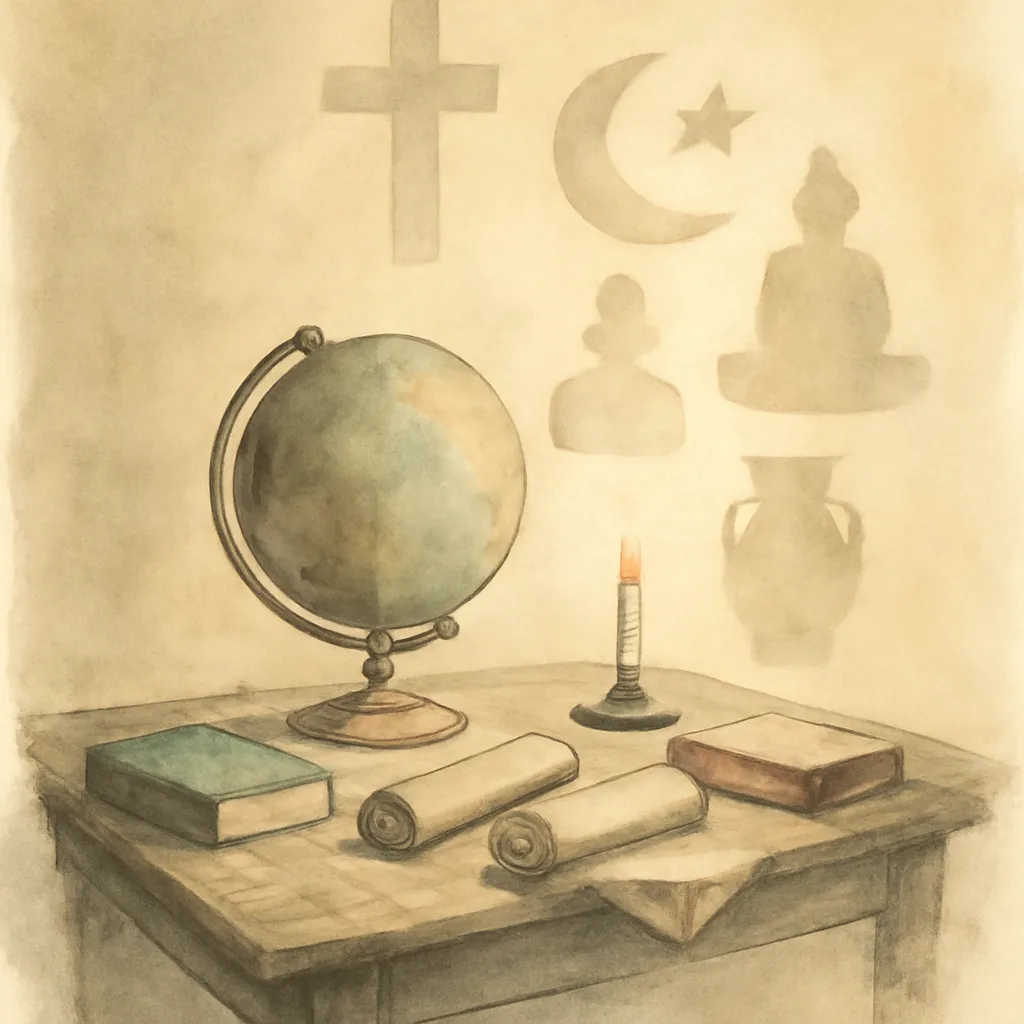
Tylor’s rationalist perspective led him to interpret myths and superstitions as early attempts at explanation and problem-solving, rather than mere irrationality. He saw myth-making as a logical, if primitive, effort to make sense of the world, thus humanizing and dignifying the intellectual capacities of so-called 'primitive' peoples.