

Extraversion · Introverts · Interpersonal relations
Quiet by Susan Cain — Summary, Key Ideas & Quotes
2012368 pages✦ 3-min Big ideas★ 4.1 (97)
Rate it
Passionately argued, impressively researched, and filled with indelible stories of real people, Quiet shows how dramatically we undervalue introverts, and how much we lose in doing so. Taking the reader on a journey from Dale Carnegie's birthplace to Harvard Business School, from a Tony Robbins seminar to an evangelical megachurch, Susan Cain charts the rise of the Extrovert Ideal in the twentieth century and explores its far-reaching effects. She talks to Asian-American students who feel alienated from the brash, backslapping atmosphere of American schools. She questions the dominant values of American business culture, where forced collaboration can stand in the way of innovation, and where the leadership potential of introverts is often overlooked. And she draws on cutting-edge research in psychology and neuroscience to reveal the surprising differences between extroverts and introverts. Perhaps most inspiring, she introduces us to successful introverts–from a witty, high-octane public speaker who recharges in solitude after his talks, to a record-breaking salesman who quietly taps into the power of questions. Finally, she offers invaluable advice on everything from how to better negotiate differences in introvert-extrovert relationships to how to empower an introverted child to when it makes sense to be a "pretend extrovert." This extraordinary book has the power to permanently change how we see introverts and, equally important, how introverts see themselves. - Publisher.
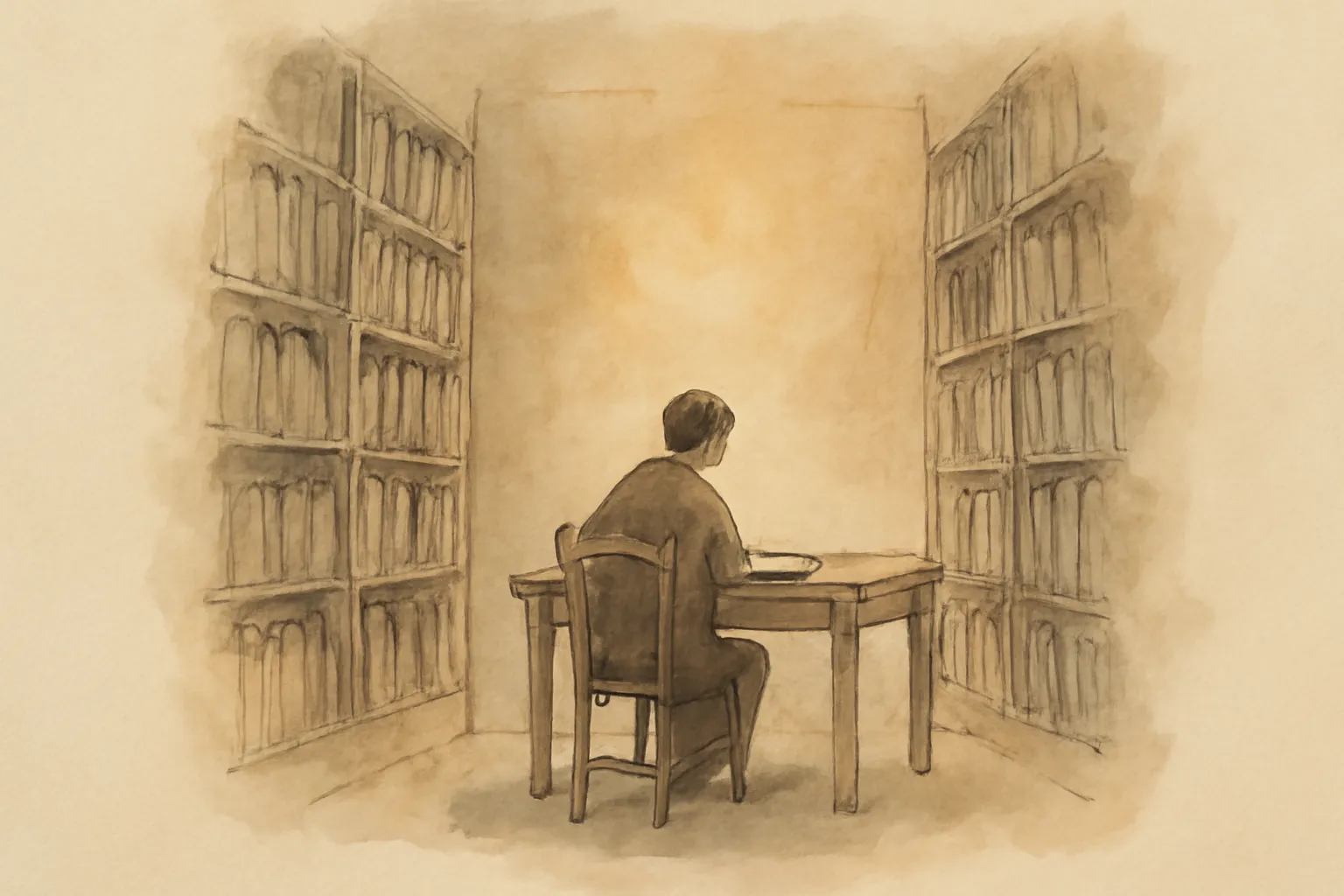
Cain argues that Western culture, especially in the United States, has come to idolize extroversion—valuing charisma, sociability, and assertiveness as the gold standard for success. This 'Extrovert Ideal' shapes everything from classroom participation to corporate leadership, often sidelining those who are more reserved. The book traces how this bias developed historically and questions whether it actually serves us well, especially in complex or creative environments.
A key distinction in Quiet is between introversion and shyness. Introversion, Cain explains, is about how people respond to stimulation and where they draw their energy—not about fear of social judgment. Introverts may enjoy socializing but need solitude to recharge, while shyness is rooted in anxiety. Recognizing this difference is crucial to understanding and supporting introverts.
“There's zero correlation between being the best talker and having the best ideas.”
“The secret to life is to put yourself in the right lighting.”
“Spend your free time the way you like, not the way you think you're supposed to.”