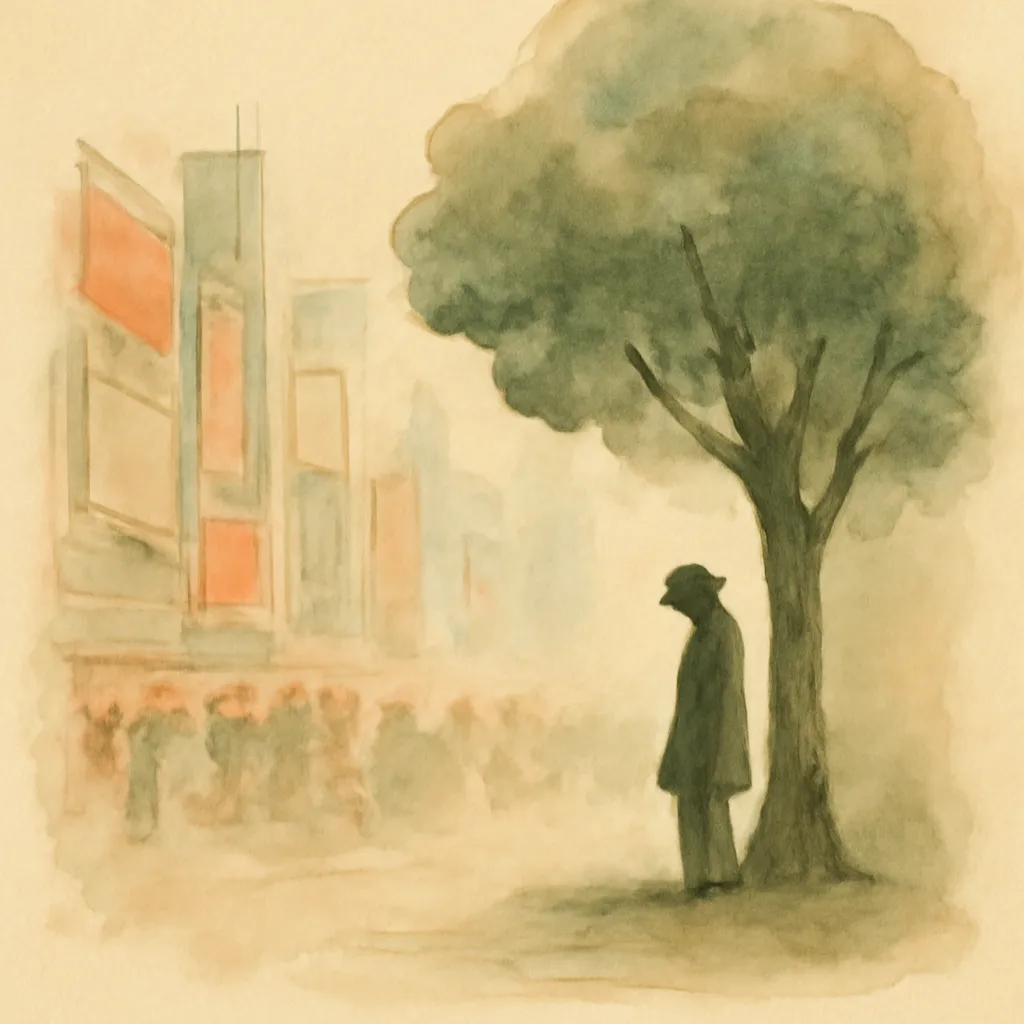
1.The Extrovert Ideal
Cain argues that Western culture, especially in the United States, has come to idolize extroversion—valuing charisma, sociability, and assertiveness as the gold standard for success. This 'Extrovert Ideal' shapes everything from classroom participation to corporate leadership, often sidelining those who are more reserved. The book traces how this bias developed historically and questions whether it actually serves us well, especially in complex or creative environments.
2.Introversion Is Not Shyness
A key distinction in Quiet is between introversion and shyness. Introversion, Cain explains, is about how people respond to stimulation and where they draw their energy—not about fear of social judgment. Introverts may enjoy socializing but need solitude to recharge, while shyness is rooted in anxiety. Recognizing this difference is crucial to understanding and supporting introverts.
3.Hidden Strengths of Introverts
Cain highlights the unique strengths introverts bring, such as deep thinking, creativity, empathy, and the ability to listen. Through real-life examples and scientific research, she shows that introverts often excel in roles that require careful analysis, focus, and independent work. The book challenges the assumption that only outspoken leaders or team players drive innovation and progress.
4.Cultural and Environmental Influences
Quiet explores how cultural backgrounds and environments shape our attitudes toward introversion. For example, Cain contrasts the American preference for boldness with cultures that value humility and restraint, such as many East Asian societies. She also examines how schools and workplaces can inadvertently disadvantage introverts through group-centric practices.
5.Practical Strategies for Introverts
Beyond theory, Cain offers actionable advice for introverts to thrive in extrovert-centric settings. She discusses how to find restorative niches, negotiate social expectations, and leverage personal strengths. The book also provides guidance for parents, educators, and managers to create more inclusive environments that allow introverts to flourish.
6.Redefining Leadership and Collaboration
Cain questions the assumption that the best leaders are always charismatic extroverts. She presents research and stories showing that introverted leaders can be highly effective, especially with proactive teams, because they listen, reflect, and empower others. The book also critiques the trend toward constant group work, advocating for a balance between collaboration and solitude.