Fiction · Philosophy
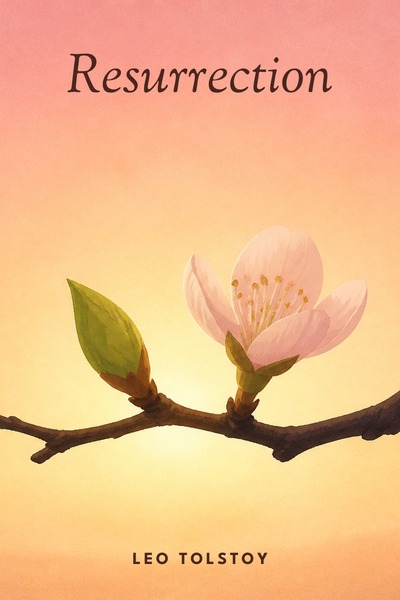
Resurrection by Leo Tolstoy — Summary, Key Ideas & Full Text
573 pages129 chapters11h 30m read8h 10m speed read✦ 7-min Big ideasFree · no account
Rate it
Resurrection explores the profound themes of guilt, redemption, and the moral complexities of human relationships
In 'Resurrection', Leo Tolstoy delves into the life of Katerina Maslova, a young woman whose fate intertwines with that of Prince Dmitri Nekhludoff, the man who seduced her years ago. This powerful narrative examines the impact of societal injustices, the weight of personal responsibility, and the quest for redemption. As Maslova faces trial for a crime she didn't commit, Nekhludoff is forced to confront his own moral failings and the consequences of his past actions. Through vivid storytelling and rich character development, Tolstoy invites readers to reflect on the nature of guilt and the possibility of spiritual rebirth, making 'Resurrection' not just a tale of individual lives but a broader commentary on humanity itself.
In 'Resurrection', Tolstoy masterfully intertwines themes of guilt, redemption, and societal injustice, creating a narrative that resonates deeply with readers. Through the struggles of Nekhludoff and Maslova, he explores the complexities of human relationships and the quest for meaning in a chaotic world. The novel serves as a poignant reminder of the moral responsibilities we hold toward one another and the transformative power of compassion and self-reflection. Ultimately, 'Resurrection' invites us to confront our own lives and choices, urging us to seek redemption and understanding in our interconnected existence.
“‘It was not this spring morning men thought sacred and worthy of consideration not the beauty of God’s world, given for a joy to all creatures, this beauty which inclines the heart to peace, to harmony, and to love, but only their own devices for enslaving one another.’”
“‘When the child was three years old, her mother fell ill and died, and the maiden ladies took the child from her old grandmother, to whom she was nothing but a burden.’”
“‘I’m not guilty, not guilty!’ she suddenly cried, so that it resounded through the room. ‘It is a sin! I am not guilty! I never wished—I never thought! It is the truth I am saying—the truth!’”
Leo Tolstoy has 4 works free to read on Lumina, including Anna Karenina, Master and Man, War and Peace
All 4 books by Leo Tolstoy →