

Fiction, horror · Pregnancy, fiction · New york (n.y.), fiction
Rosemary's Baby by Ira Levin — Summary, Key Ideas & Quotes
2013514 pages✦ 3-min Big ideas
Rate it
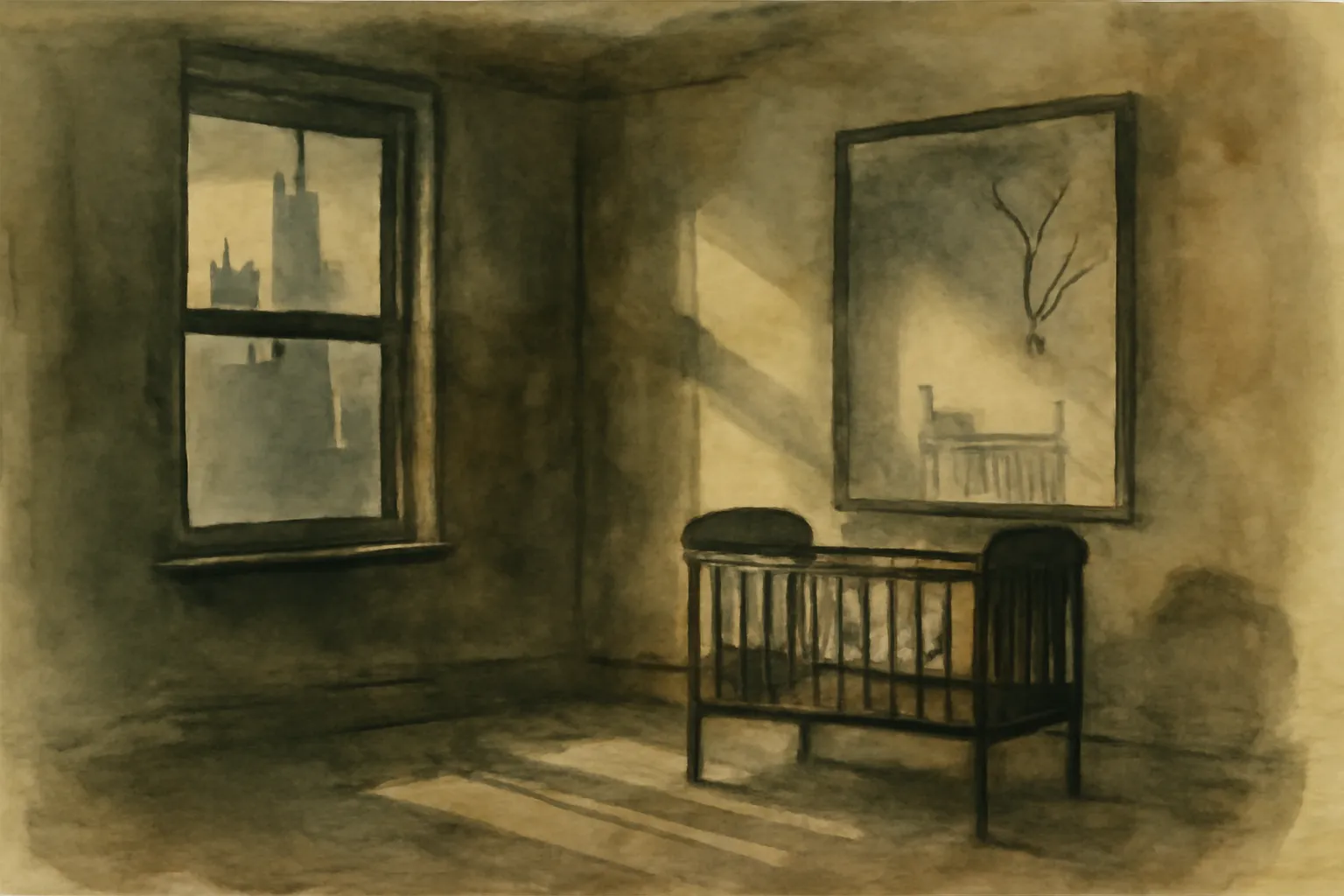
Levin masterfully crafts a sense of growing paranoia as Rosemary Woodhouse, newly pregnant, becomes increasingly isolated from her friends and support systems. The novel explores how easily one's reality can be manipulated by those around them, especially when trust is eroded. Rosemary's gradual alienation amplifies the horror, making the reader question what is real and what is imagined, and highlighting the vulnerability of individuals in seemingly safe environments.
Rather than relying on overt gore or violence, the novel finds terror in the mundane. The setting—an ordinary Manhattan apartment building—becomes the stage for unspeakable acts. Levin suggests that evil can be banal, lurking in neighbors, spouses, and the routines of daily life. This subtlety makes the horror more unsettling, as it blurs the line between the supernatural and the all-too-human capacity for betrayal.
“He has his father's eyes.”
“This is no dream! This is really happening!”