
Fiction, horror
Books of Blood by Clive Barker — Summary, Key Ideas & Quotes
1991224 pages✦ 3-min Big ideas
Rate it
Volume Two of Clive Barker's seminal Books of Blood contains the stories: 'Dread', 'Hell's Event', 'Jacqueline Ess: Her Will and Testament', 'The Skins of the Fathers', 'New Murders in the Rue Morgue'. With the 1984 publication of Books of Blood, Clive Barker became an overnight literary sensation. He was hailed by Stephen King as "the future of horror", and won both the British and World Fantasy Awards. Now, with his numerous bestsellers, graphic novels, and hit movies like the Hellraiser, Clive Barker has become an industry unto himself. But it all started here, with this tour de force collection that rivals the dark masterpieces of Edgar Allan Poe. Read him and rediscover the true meaning of fear.
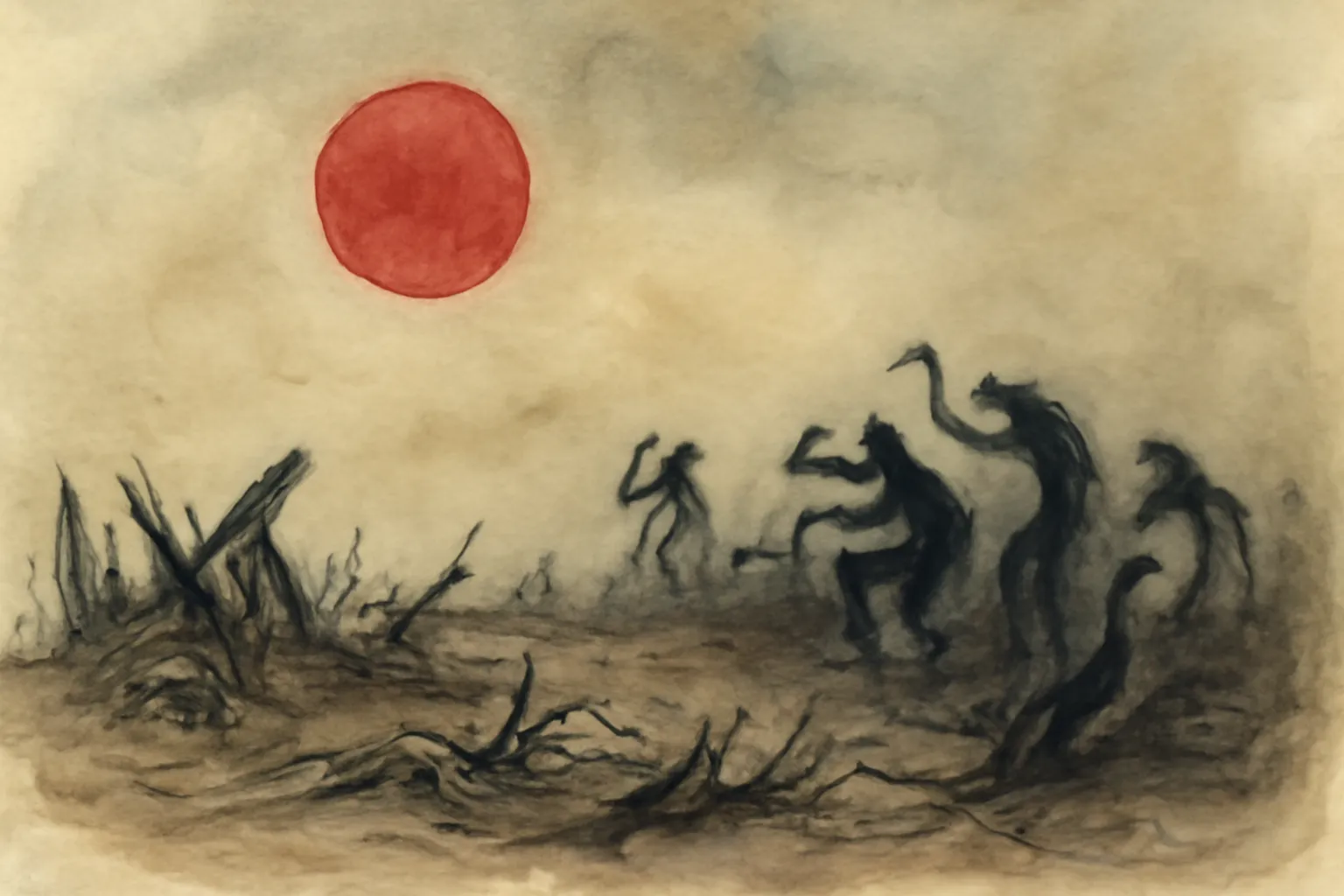
Barker’s stories use horror not just to frighten, but to reveal uncomfortable truths about human desires, fears, and moral limits. In tales like 'Dread,' terror emerges from psychological obsession rather than external monsters, suggesting that the most profound horrors are rooted within ourselves. Barker’s characters are often driven by curiosity, compulsion, or suppressed urges, and the supernatural elements serve to expose their inner darkness.
Physical transformation is a recurring motif, most notably in 'Jacqueline Ess: Her Will and Testament,' where the protagonist’s ability to reshape flesh becomes a metaphor for power, alienation, and the instability of identity. Barker’s fascination with the malleability of the body reflects anxieties about control, gender, and the boundaries between self and other. The grotesque imagery is not gratuitous; it compels readers to confront the fragility and strangeness of their own bodies.
