1.Horror as a Mirror to Human Nature
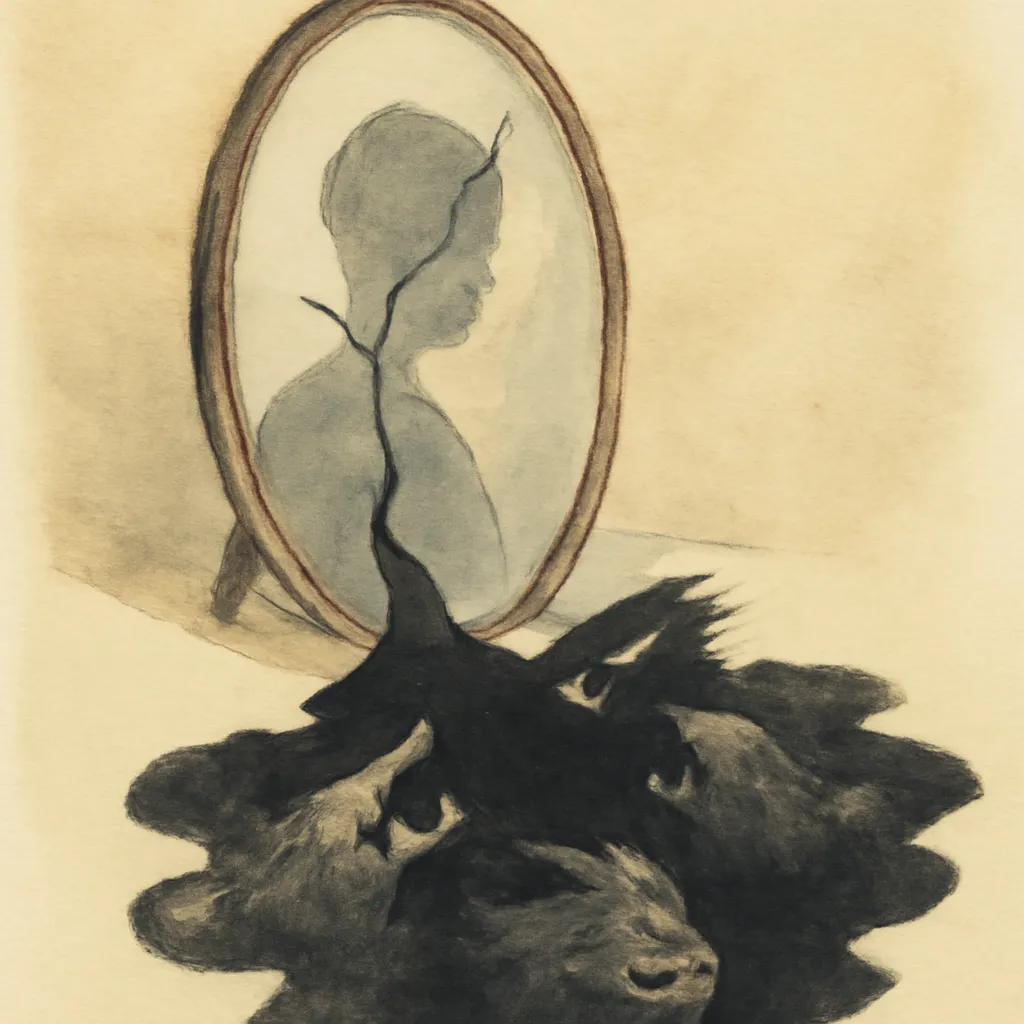
Barker’s stories use horror not just to frighten, but to reveal uncomfortable truths about human desires, fears, and moral limits. In tales like 'Dread,' terror emerges from psychological obsession rather than external monsters, suggesting that the most profound horrors are rooted within ourselves. Barker’s characters are often driven by curiosity, compulsion, or suppressed urges, and the supernatural elements serve to expose their inner darkness.
2.Transformation and the Body
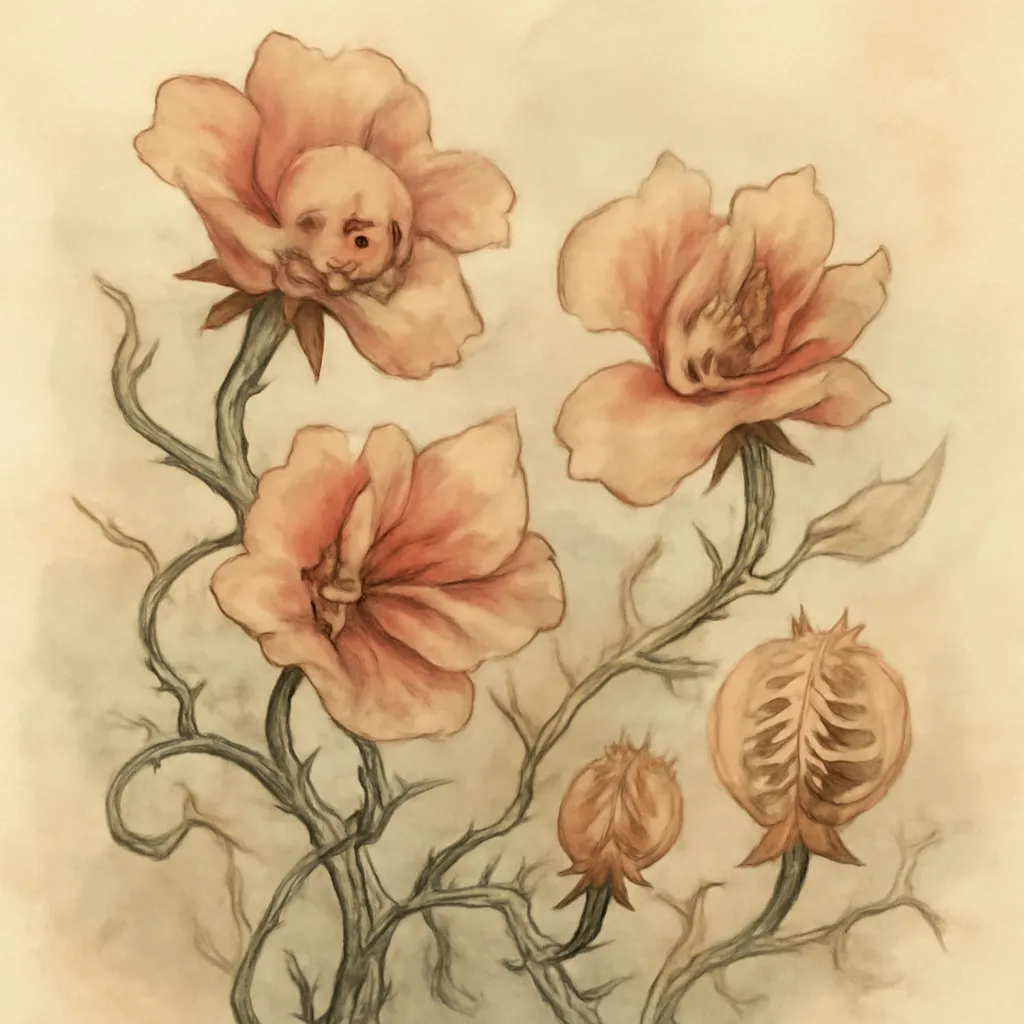
Physical transformation is a recurring motif, most notably in 'Jacqueline Ess: Her Will and Testament,' where the protagonist’s ability to reshape flesh becomes a metaphor for power, alienation, and the instability of identity. Barker’s fascination with the malleability of the body reflects anxieties about control, gender, and the boundaries between self and other. The grotesque imagery is not gratuitous; it compels readers to confront the fragility and strangeness of their own bodies.
3.Blurring the Line Between Reality and the Supernatural
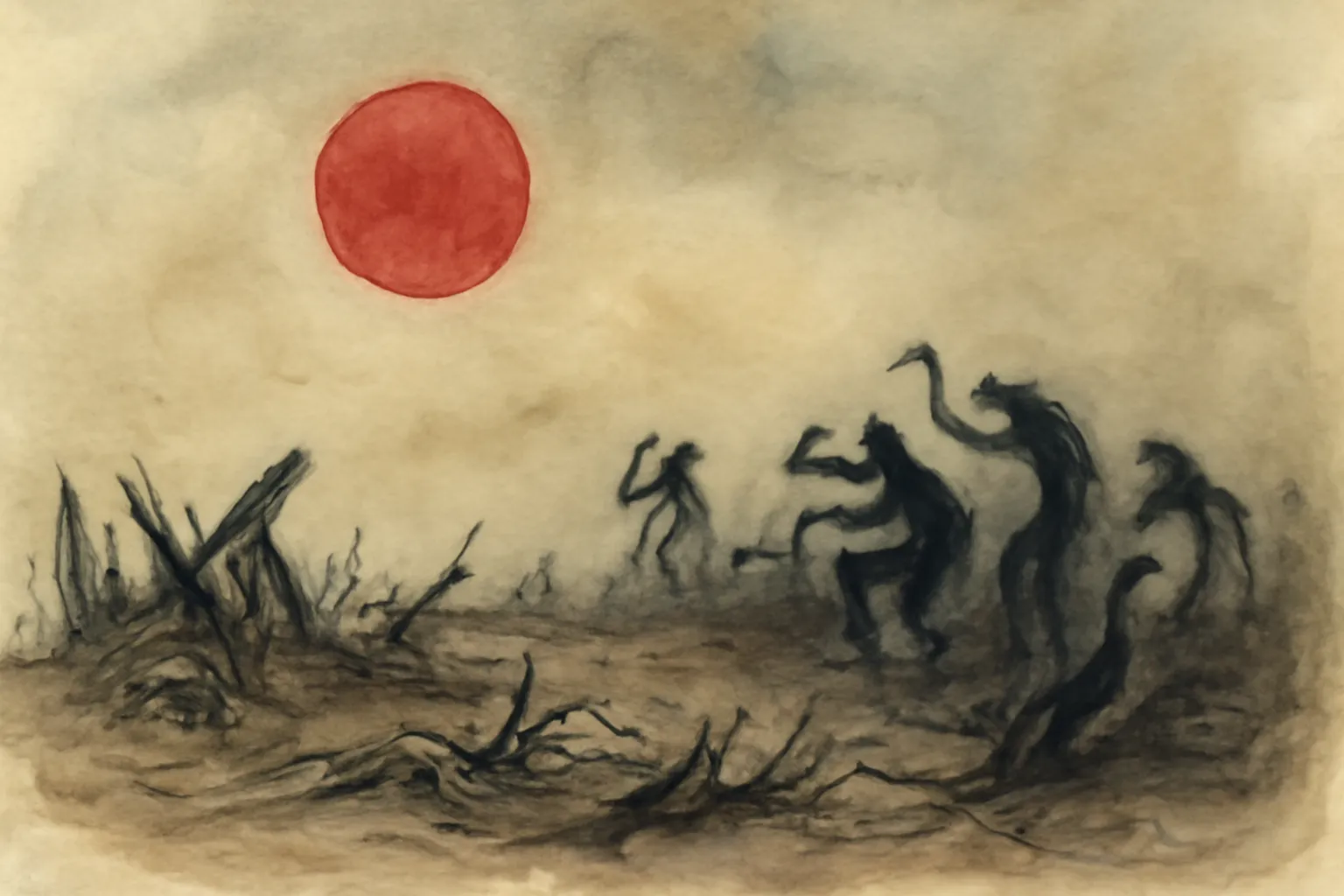
Barker’s stories often begin in mundane settings before introducing the supernatural in ways that feel both shocking and inevitable. In 'Hell’s Event,' a demonic wager is woven into the fabric of everyday London, while 'The Skins of the Fathers' brings ancient, monstrous beings into a modern desert town. This blending of the ordinary and the uncanny destabilizes reality, making the horror feel both plausible and inescapable.
4.Subversion of Genre Expectations
Rather than relying on familiar horror tropes, Barker subverts expectations with inventive plots and morally ambiguous characters. He draws from classic influences like Poe, but infuses his stories with a contemporary sensibility and a willingness to challenge taboos. The violence and sexuality in these tales are not just for shock value; they force readers to question the boundaries of taste, empathy, and fear.
5.Isolation and Alienation
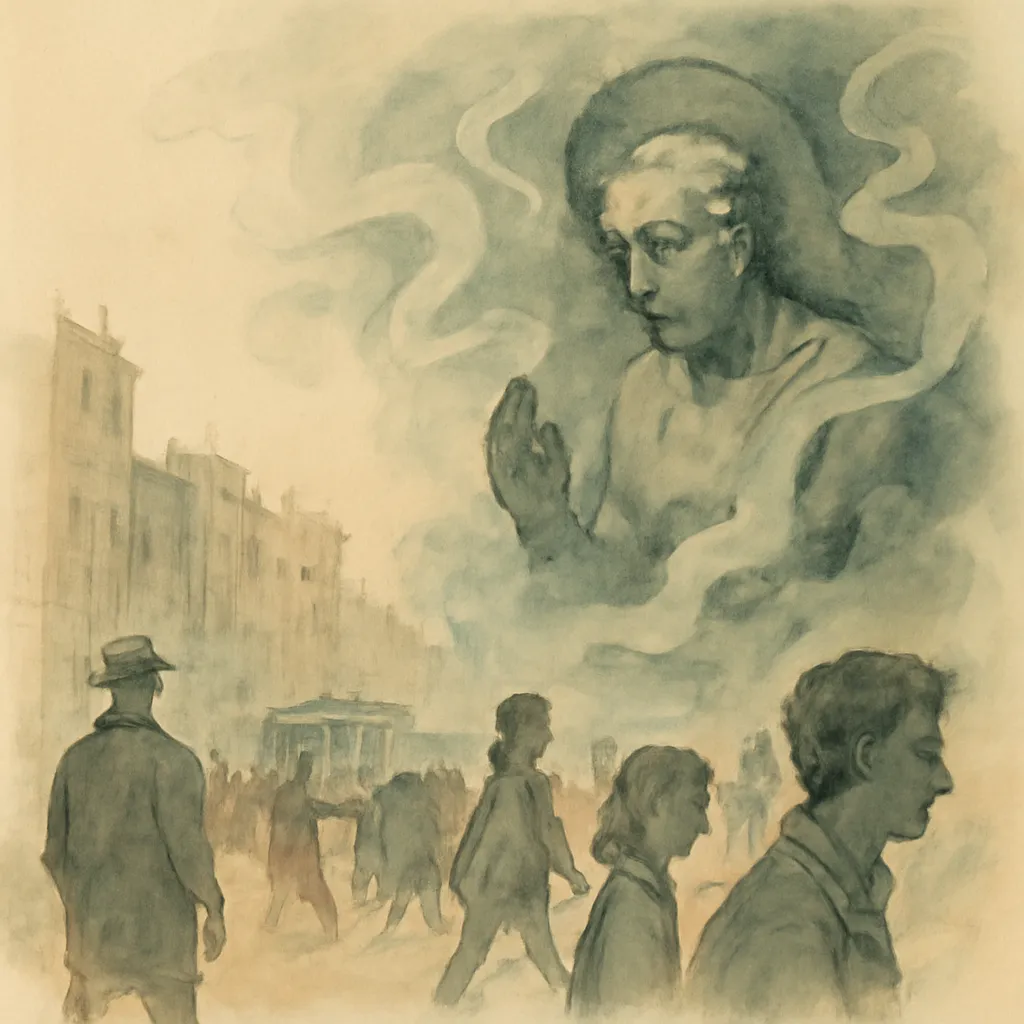
Many of Barker’s protagonists are outsiders—socially, psychologically, or even physically. Their isolation heightens the horror, as they confront terrors alone or are misunderstood by those around them. This theme resonates in stories like 'New Murders in the Rue Morgue,' where the protagonist’s difference becomes both a source of vulnerability and a lens for exploring what it means to be human.