
Classical philology · Ethics · Early works to 1800
Seneca: Letters on Ethics by Seneca the Younger, Margaret Graver, A. A. Long — Summary, Key Ideas & Quotes
2021320 pages✦ 3-min Big ideas
Rate it
"Lucius Annaeus Seneca (4 BCE-65 CE) was a Roman Stoic philosopher, statesman, and advisor to the Emperor Nero. Seneca's writings are read by scholars, students, and innumerable individuals interested in how philosophy can influence our daily lives. This volume collects 50 of Seneca's most important, popular, and interesting letters."--
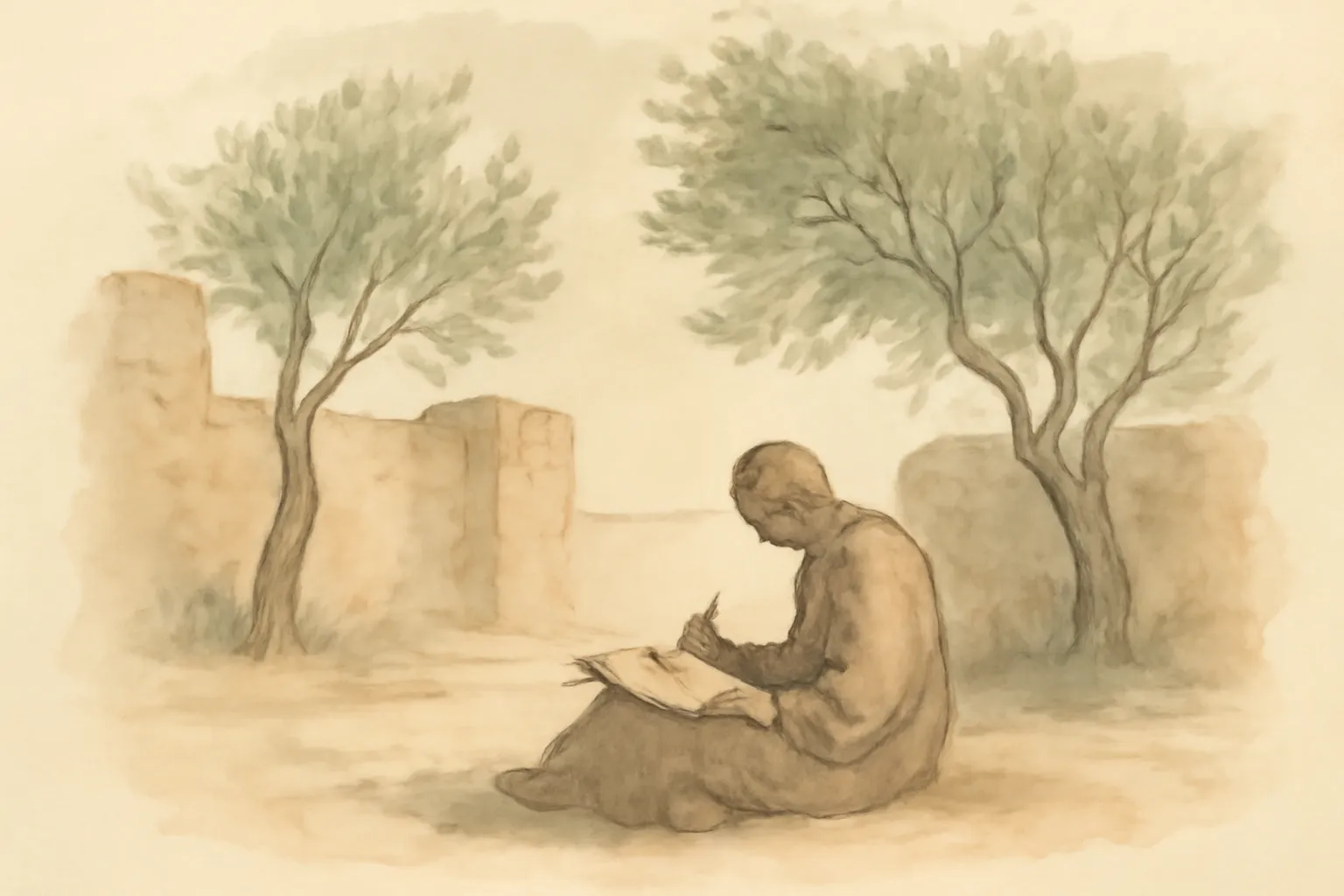
Seneca insists that philosophy is not just an abstract discipline but a way of life. In his letters, he urges readers to integrate philosophical reflection into everyday actions, arguing that wisdom is only meaningful if it shapes how we live. He advocates for daily self-examination, honest self-critique, and the pursuit of moral improvement, turning philosophy into a practical toolkit for personal growth.
Central to Seneca’s thought is the idea that virtue—qualities like courage, justice, and self-control—is the only true good. He encourages readers to focus on developing their character rather than chasing wealth, status, or external pleasures. For Seneca, a virtuous life is the path to genuine happiness, regardless of circumstances, because it aligns us with reason and nature.
“We suffer more often in imagination than in reality.”
“It is not that we have a short time to live, but that we waste a lot of it.”
“Begin at once to live, and count each separate day as a separate life.”
“No man was ever wise by chance.”