Ethics, modern, 17th century · Philosophy · History, ancient
Discourses and Selected Writings by Epictetus — Summary, Key Ideas & Quotes
2008400 pages✦ 3-min Big ideas★ 5.0 (1)
Rate it
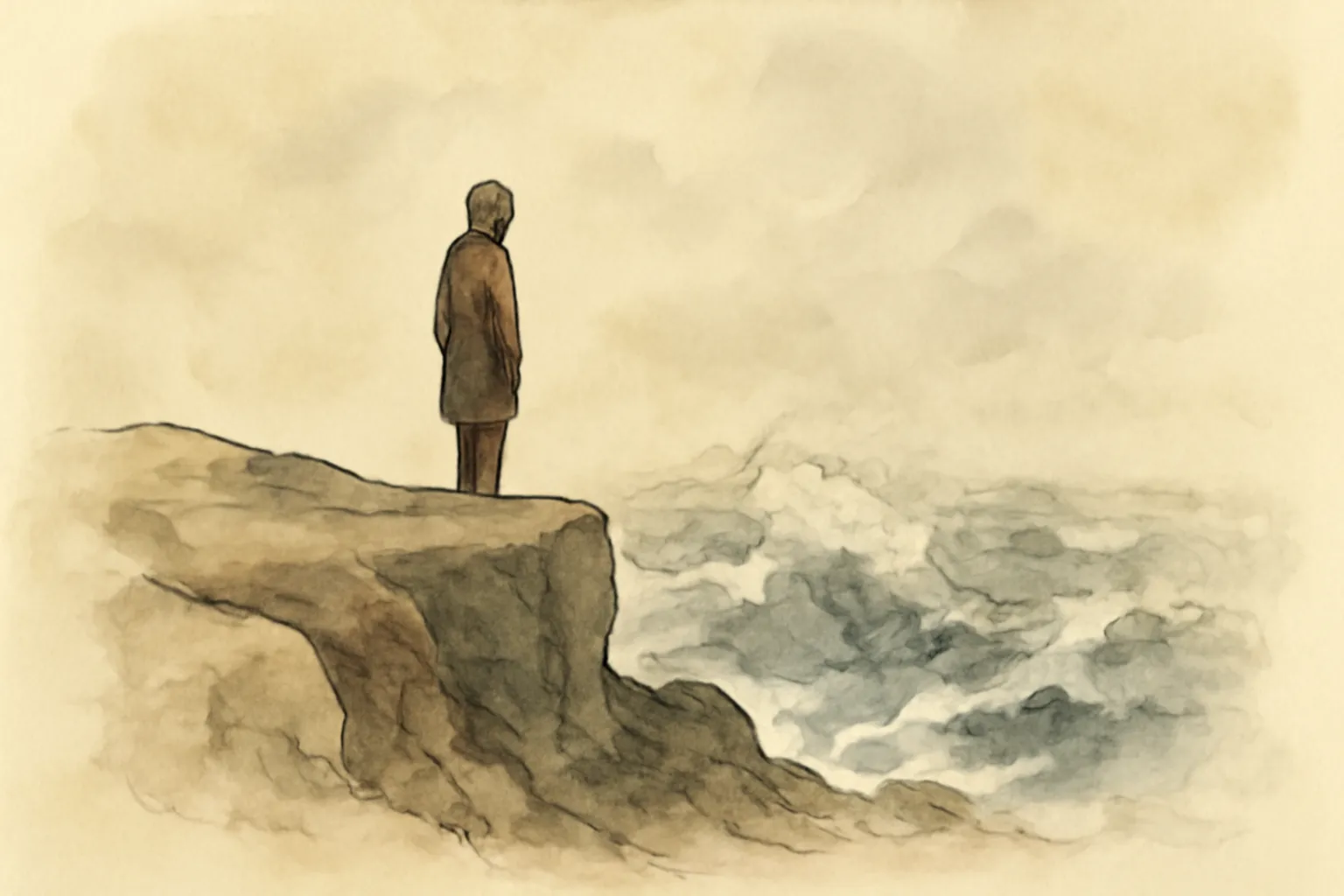
Epictetus teaches that the foundation of happiness is distinguishing between what we can and cannot control. Our actions, judgments, and desires are within our power; external events and other people's opinions are not. By focusing our energy on our own responses and accepting what lies beyond our influence, we free ourselves from frustration and anxiety. This core Stoic insight invites readers to let go of futile worries and cultivate inner tranquility.
For Epictetus, virtue—living in accordance with reason and nature—is the only true good. External successes or failures are indifferent; what matters is the character we display in facing them. Courage, justice, self-control, and wisdom are the qualities that define a good life. This perspective shifts the focus from chasing status or wealth to developing moral strength and integrity.
“It's not what happens to you, but how you react to it that matters.”
“No man is free who is not master of himself.”
“First say to yourself what you would be; and then do what you have to do.”