Early works to 1800 · Conduct of life · Ancient Ethics
The Art of Happiness: A Handbook for Living by Epictetus — Summary, Key Ideas & Quotes
1995128 pages✦ 3-min Big ideas★ 4.8 (4)
Rate it
Presents a new interpretation of first century's Epictetus' clearly stated guidelines for moral progress and personal character development.
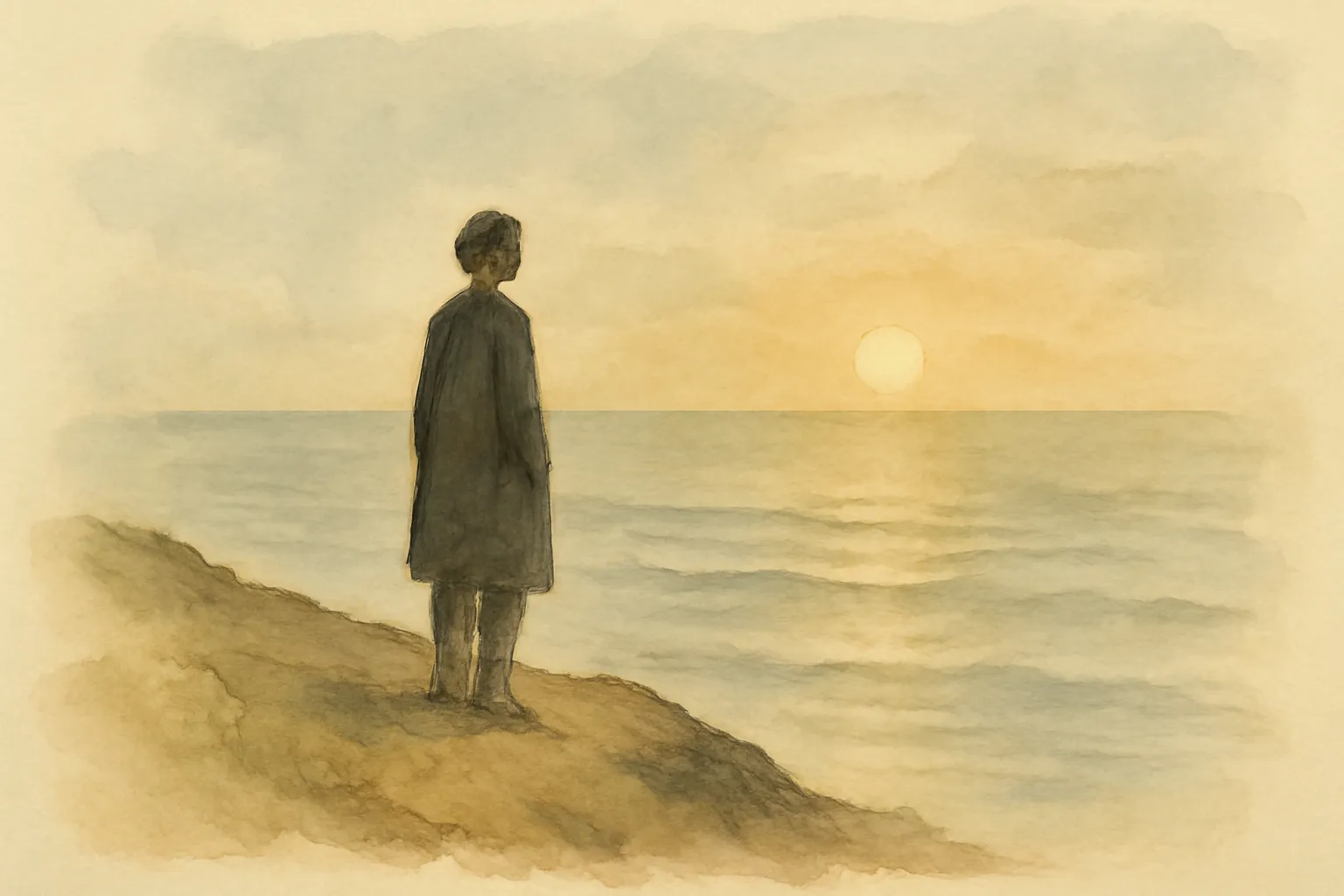
Central to Epictetus’ philosophy is the distinction between what is within our control—our thoughts, actions, and attitudes—and what lies beyond it, such as external events or others’ opinions. This book emphasizes that happiness arises from focusing energy on what we can influence, while accepting with equanimity what we cannot. This mindset reduces anxiety and frustration, fostering a sense of agency and calm in the face of life's uncertainties.
Rather than seeking happiness through external achievements or pleasures, Epictetus teaches that true fulfillment comes from living virtuously. The book highlights virtues like wisdom, courage, justice, and self-discipline as the foundation for a good life. By cultivating these qualities, individuals align their actions with their values, leading to lasting contentment rather than fleeting satisfaction.
“It's not what happens to you, but how you react to it that matters.”
“No man is free who is not master of himself.”
“First say to yourself what you would be; and then do what you have to do.”