1.Control What You Can, Accept What You Can't
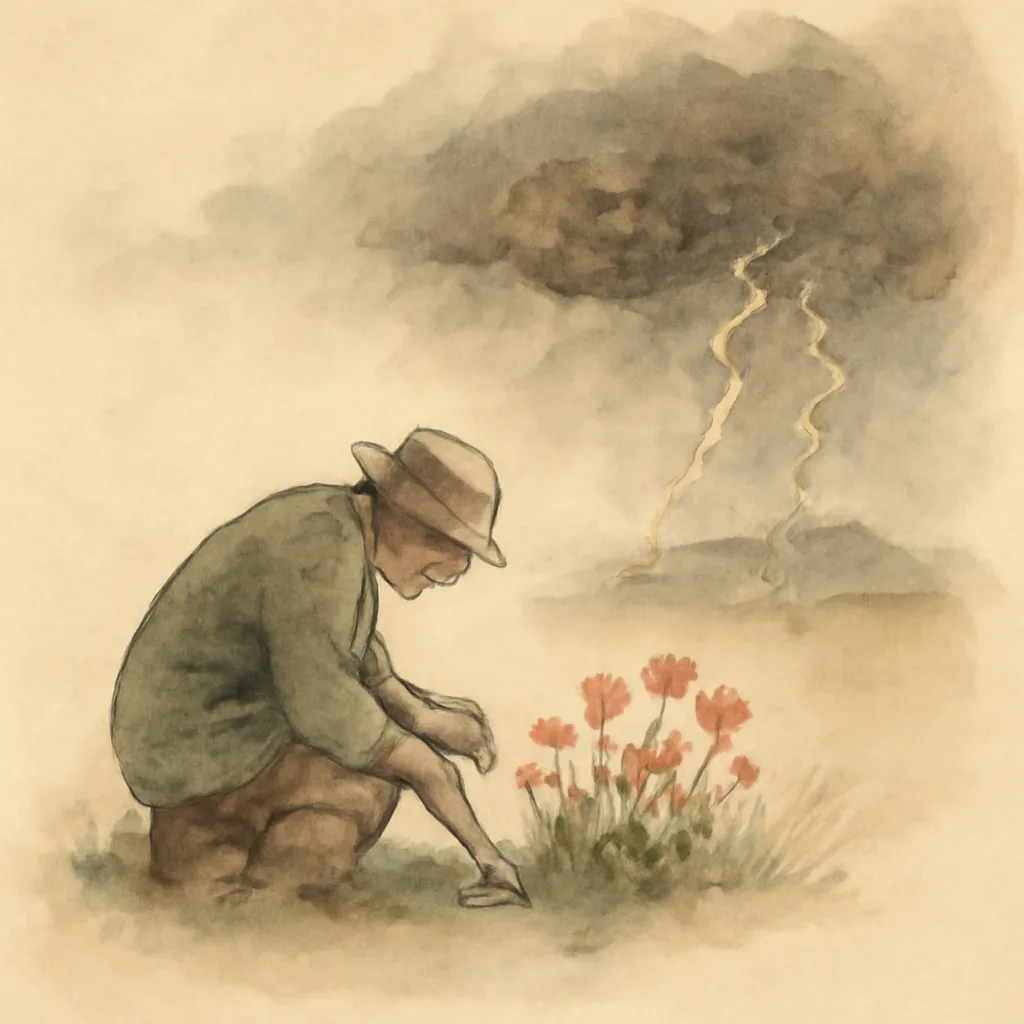
Central to Epictetus’ philosophy is the distinction between what is within our control—our thoughts, actions, and attitudes—and what lies beyond it, such as external events or others’ opinions. This book emphasizes that happiness arises from focusing energy on what we can influence, while accepting with equanimity what we cannot. This mindset reduces anxiety and frustration, fostering a sense of agency and calm in the face of life's uncertainties.
2.Virtue as the Path to Happiness
Rather than seeking happiness through external achievements or pleasures, Epictetus teaches that true fulfillment comes from living virtuously. The book highlights virtues like wisdom, courage, justice, and self-discipline as the foundation for a good life. By cultivating these qualities, individuals align their actions with their values, leading to lasting contentment rather than fleeting satisfaction.
3.Respond, Don't React
A key lesson is the importance of mindful response over impulsive reaction. The book encourages readers to pause and reflect before acting, especially in challenging situations. By examining our judgments and emotional triggers, we can choose responses that are thoughtful and in line with our principles, rather than being swept away by anger, fear, or desire.
4.Freedom Through Detachment
Epictetus advocates for a kind of inner freedom that comes from detachment—not indifference, but the ability to care deeply without being enslaved by outcomes. The book explains how letting go of rigid attachments to status, possessions, or the approval of others allows us to remain steady and content, regardless of external circumstances.
5.The Power of Perspective
How we interpret events shapes our experience of them. The book teaches that by reframing challenges as opportunities for growth, and by questioning our automatic assumptions, we can shift our emotional landscape. This Stoic practice of perspective-taking helps us endure hardship with grace and see setbacks as part of a larger journey.
6.Daily Practice and Self-Reflection
The pursuit of happiness and virtue is not a one-time achievement but a daily practice. The book encourages readers to engage in regular self-examination, noting where they fall short and celebrating progress. This ongoing commitment to growth is presented as both humbling and empowering, making philosophy a lived experience rather than abstract theory.