
Master the art of living by understanding what is truly within your control
Read full overviewShow less›
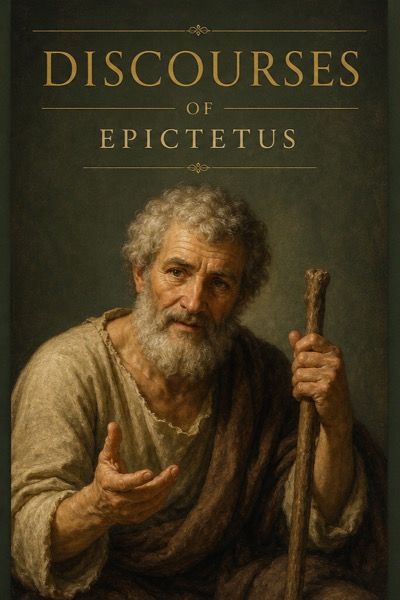
Epictetus, a former slave turned philosopher, presents a powerful framework for navigating life’s challenges through the lens of Stoicism. In 'Discourses of Epictetus', he teaches us to distinguish between what is within our control and what is not, empowering us to focus our energy on the choices we can make rather than the events we cannot influence. This ancient wisdom remains strikingly relevant today as we grapple with the complexities of modern life. By adopting Epictetus’s principles, you can cultivate a mindset that fosters resilience, tranquility, and a profound sense of freedom. His teachings encourage us to embrace our roles as active participants in our own lives, shaping our responses to external circumstances with wisdom and intention.
Epictetus’s 'Discourses' offers timeless wisdom that resonates deeply in our contemporary lives. By teaching us to discern what is truly within our control, he empowers us to approach life with a sense of agency and clarity. His insights into desire, perception, and the nature of relationships encourage us to cultivate resilience and tranquility amidst life’s challenges. Moreover, by embracing philosophy as a practical guide for living, we can transform our daily experiences into opportunities for growth and self-improvement. Ultimately, the teachings of Epictetus remind us that true freedom and happiness stem from within, inviting us to live authentically and purposefully.

- 1Understanding Control
- 2The Danger of Desire and Aversion
- 3Perception Shapes Reality
- 4The Nature of Relationships
- 5Acting with Intention
A glimpse inside

Epictetus emphasizes the crucial distinction between what is within our power and what is not. He asserts that our opinions, desires, and aversions are under our control,… Read moreEpictetus emphasizes the crucial distinction between what is within our power and what is not. He asserts that our opinions, desires, and aversions are under our control, while external factors like our body, property, and reputation are not. By recognizing this difference, we can avoid unnecessary suffering caused by lamenting things beyond our control. If we mistakenly believe that external events define our happiness, we will be perpetually hindered and disturbed. For instance, if we tie our sense of self-worth to our wealth or social status, we risk perpetual dissatisfaction. Embracing the understanding that true freedom lies in our internal responses allows us to cultivate resilience and peace, regardless of external circumstances. Show less
Desire and aversion are powerful forces that can lead to unhappiness if misdirected. Epictetus warns against desiring things outside of our control, such as health or wea… Read moreDesire and aversion are powerful forces that can lead to unhappiness if misdirected. Epictetus warns against desiring things outside of our control, such as health or wealth, as these desires can lead to disappointment and suffering. Instead, he advises focusing our aversions only on actions that go against our nature, which are within our power to avoid. By removing aversion from external circumstances, we free ourselves from the emotional turmoil associated with life's unpredictability. For example, fearing poverty or illness can lead to a life paralyzed by anxiety. Conversely, if we shift our focus to the cultivation of virtue and character, we can navigate life's challenges with grace and fortitude. Show less
Read the full text — free
About the author
Read Epictetus's work free on Lumina — the complete text plus an 8-minute summary and key ideas, no account needed