
In a world where individuality is forbidden, one man's journey to self-discovery illuminates the power of the individual spirit
Read full overviewShow less›
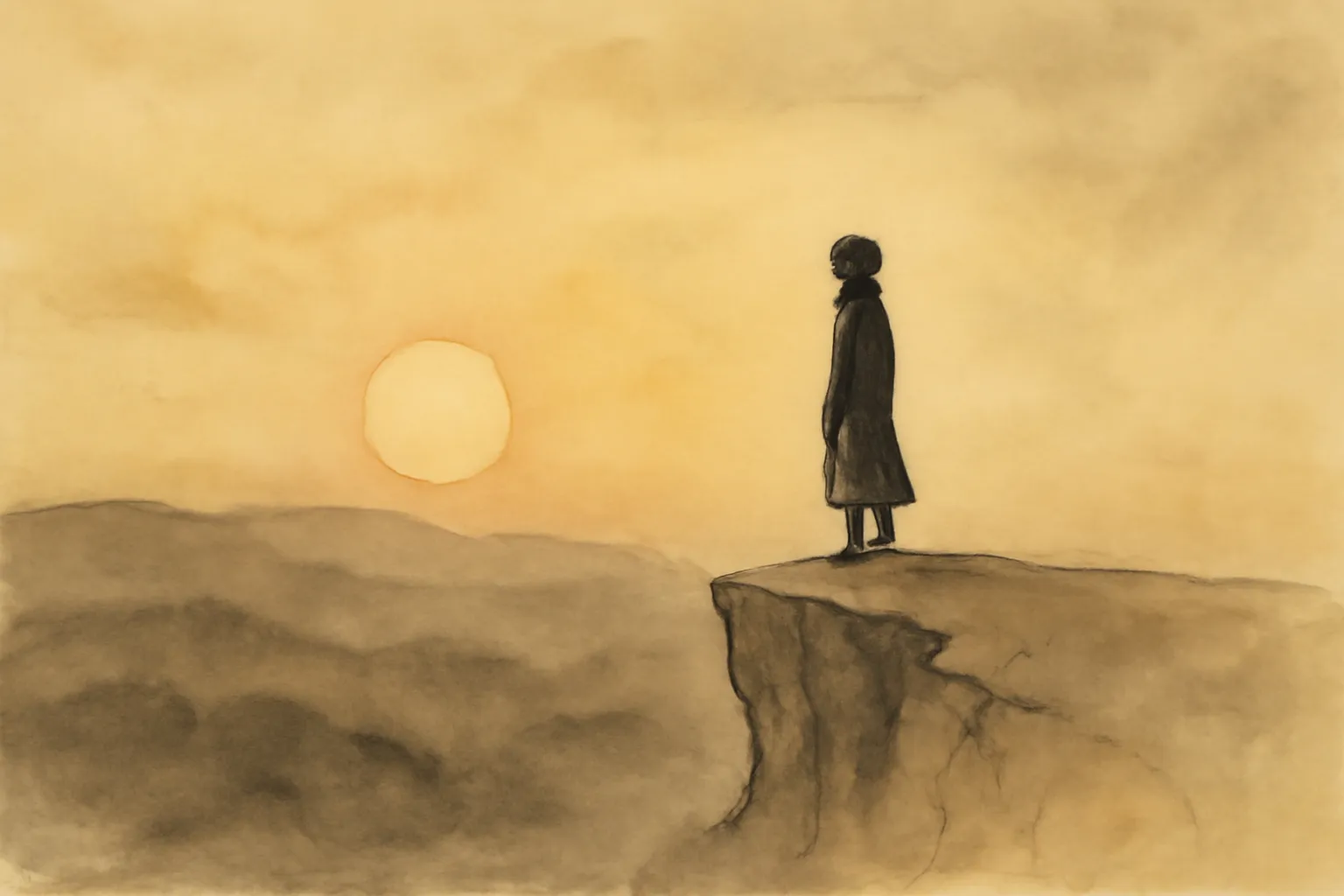
Ayn Rand's 'Anthem' presents a dystopian future where the concept of individuality has been eradicated in favor of collective identity. The protagonist, Equality 7-2521, embodies the struggle against a society that demands conformity and suppresses personal freedom. Through his journey, readers are invited to explore profound themes of self-discovery, the value of personal thought, and the importance of embracing one's own identity. This novella challenges the reader to consider the implications of a world where the individual is sacrificed for the sake of the collective, ultimately advocating for the power of 'I' over 'we'. As you delve into this tale, you will uncover the beauty of individuality and the inherent rights of every human being to think, feel, and express themselves freely.
In 'Anthem', Ayn Rand crafts a powerful narrative that explores the tension between individuality and collectivism. Through the journey of Equality 7-2521, readers are compelled to reflect on the importance of self-discovery, personal freedom, and the pursuit of knowledge. The novella serves as a clarion call for individuals to embrace their uniqueness and reject societal constraints that seek to stifle their spirit. It emphasizes that true happiness and fulfillment come from within, and that the power of love, friendship, and knowledge can illuminate the path to liberation. As the world grapples with the balance between individual rights and collective responsibilities, 'Anthem' remains a timeless reminder of the enduring strength of the human spirit and the importance of celebrating our individuality.
Ratings at a glance
- 1The Sin of Individual Thought
- 2The Burden of Physical Difference
- 3The Forbidden Knowledge of the Past
- 4The Nature of Friendship and Solidarity
- 5The Pursuit of Happiness as a Personal Journey
A glimpse inside

From the very beginning, 'Anthem' establishes a society where individual thought is considered a sin. The protagonist, Equality 7-2521, feels the weight of this societal… Read moreFrom the very beginning, 'Anthem' establishes a society where individual thought is considered a sin. The protagonist, Equality 7-2521, feels the weight of this societal law as he writes in secret, fearing the consequences of his self-expression. This highlights the oppressive nature of collectivism, where any deviation from the norm is met with harsh punishment. The act of writing becomes a powerful symbol of rebellion, representing the innate human desire to express one's individuality. Equality's acknowledgment of his own thoughts as sinful reflects the broader theme of how societies can stifle creativity and personal expression in the pursuit of uniformity. Yet, despite the fear, he continues to write, underscoring the idea that the desire for self-expression is a fundamental aspect of being human. Show less
Equality 7-2521's physical stature sets him apart in a society that values conformity over individuality. His height and strength are viewed as anomalies, leading others… Read moreEquality 7-2521's physical stature sets him apart in a society that values conformity over individuality. His height and strength are viewed as anomalies, leading others to label him as 'evil'. This serves as a critique of how societies often marginalize those who do not fit a specific mold, reinforcing the notion that diversity in human experience is something to be celebrated rather than shunned. The protagonist's struggle with his physicality embodies the conflict between societal expectations and personal identity. Instead of succumbing to the pressures of conformity, he learns to embrace his uniqueness, which ultimately fuels his quest for self-discovery. This theme speaks to the importance of accepting one's individuality, regardless of societal standards, and challenges the reader to reflect on their own experiences with difference. Show less
Read the full text — free
About the author
Read Ayn Rand's work free on Lumina — the complete text plus an 8-minute summary and key ideas, no account needed