1.The Sin of Individual Thought
From the very beginning, 'Anthem' establishes a society where individual thought is considered a sin. The protagonist, Equality 7-2521, feels the weight of this societal law as he writes in secret, fearing the consequences of his self-expression. This highlights the oppressive nature of collectivism, where any deviation from the norm is met with harsh punishment. The act of writing becomes a powerful symbol of rebellion, representing the innate human desire to express one's individuality. Equality's acknowledgment of his own thoughts as sinful reflects the broader theme of how societies can stifle creativity and personal expression in the pursuit of uniformity. Yet, despite the fear, he continues to write, underscoring the idea that the desire for self-expression is a fundamental aspect of being human.
2.The Burden of Physical Difference
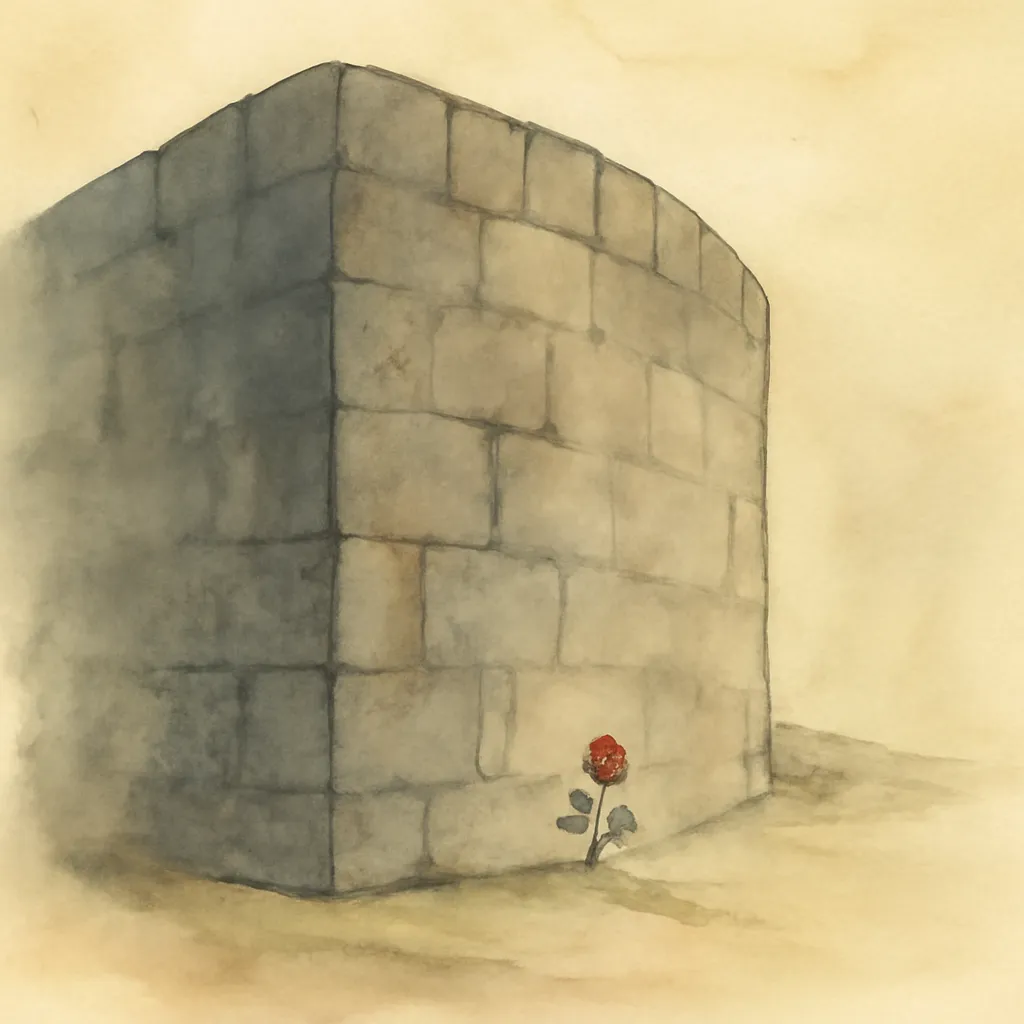
Equality 7-2521's physical stature sets him apart in a society that values conformity over individuality. His height and strength are viewed as anomalies, leading others to label him as 'evil'. This serves as a critique of how societies often marginalize those who do not fit a specific mold, reinforcing the notion that diversity in human experience is something to be celebrated rather than shunned. The protagonist's struggle with his physicality embodies the conflict between societal expectations and personal identity. Instead of succumbing to the pressures of conformity, he learns to embrace his uniqueness, which ultimately fuels his quest for self-discovery. This theme speaks to the importance of accepting one's individuality, regardless of societal standards, and challenges the reader to reflect on their own experiences with difference.
3.The Forbidden Knowledge of the Past
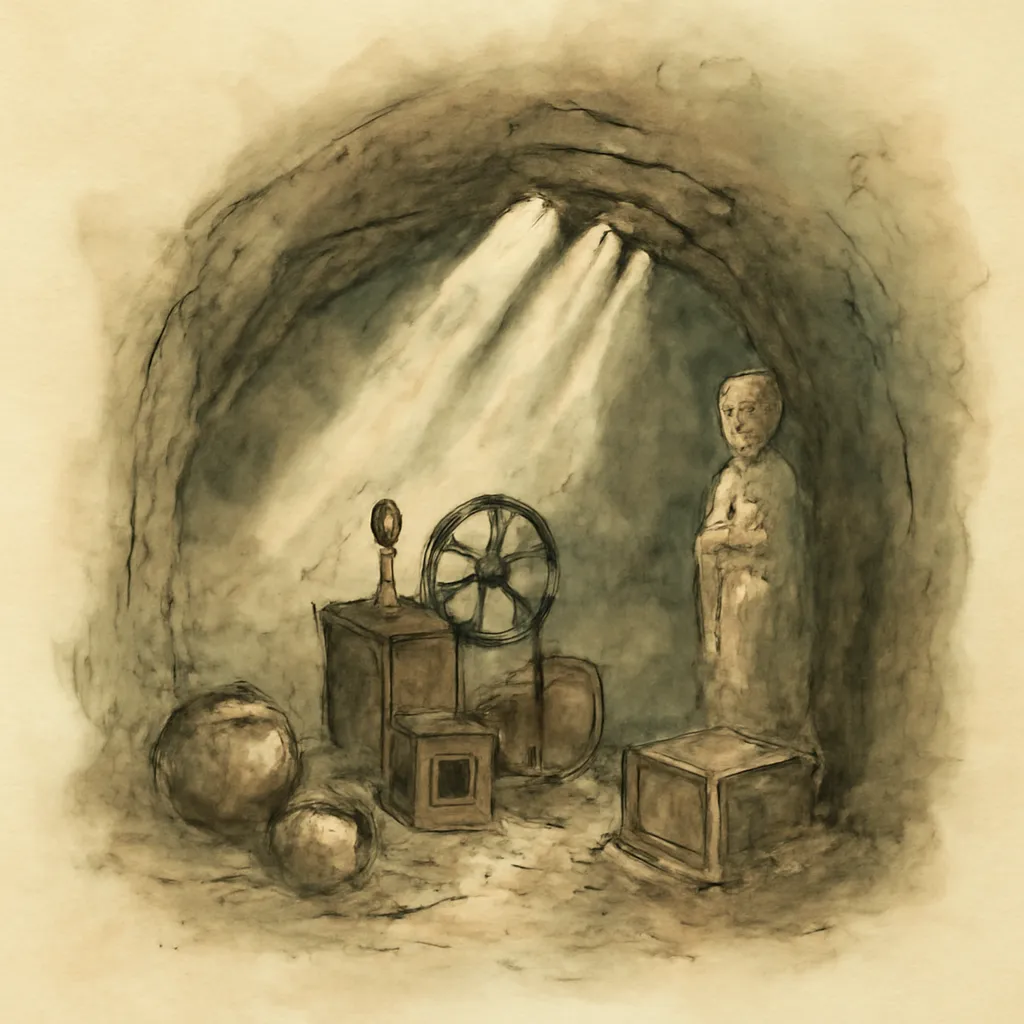
In his exploration of a hidden tunnel, Equality 7-2521 uncovers remnants of the 'Unmentionable Times', a period characterized by technological advancement and individual freedom. These discoveries are pivotal, as they reveal the lost knowledge that his society has forsaken in favor of a collectivist ideology. The tunnel symbolizes a gateway to understanding the potential of human innovation and the importance of learning from the past. The protagonist's fascination with the technology of the Unmentionable Times ignites a desire to reclaim the lost wisdom of his ancestors. This theme emphasizes the value of historical knowledge and the dangers of ignorance that can arise when societies prioritize conformity over the pursuit of truth and understanding. It urges readers to consider how history shapes identity and the importance of preserving knowledge for future generations.
4.The Nature of Friendship and Solidarity
Equality 7-2521's relationship with International 4-8818 illustrates the complexities of friendship in a society that discourages personal bonds. While Equality seeks to break free from the constraints of collectivism, his friend is more hesitant, exhibiting fear of the unknown. Their contrasting perspectives highlight the struggle between the desire for personal freedom and the comfort of conformity. In a world where individuality is shunned, the act of forming a genuine connection becomes an act of rebellion. This friendship serves as a reminder that human connections are essential to our identity and personal growth. It challenges the notion that solidarity must come at the expense of individuality, suggesting instead that true friendship can coexist with the celebration of personal differences.
5.The Pursuit of Happiness as a Personal Journey
As Equality 7-2521 embarks on his journey of self-discovery, he learns that happiness is not a collective achievement but a deeply personal pursuit. His initial understanding of happiness is tied to societal approval and conformity, but as he gains knowledge and confidence in his individuality, his definition evolves. The realization that happiness stems from self-acceptance and the freedom to choose one's own path is a crucial turning point in the narrative. This theme underscores the idea that true fulfillment comes from within and cannot be dictated by external forces. It calls on readers to reflect on their own definitions of happiness and the importance of pursuing personal goals and desires, free from societal constraints.
6.The Power of Love and Connection
The relationship between Equality 7-2521 and the Golden One serves as a powerful testament to the importance of love in the face of oppression. Their bond transcends the societal restrictions imposed upon them, illustrating that genuine connection can thrive even in the most oppressive environments. The moment they embrace their feelings for one another becomes a transformative experience, symbolizing the awakening of individuality and the recognition of personal desires. Their love is not only an emotional connection but also a revolutionary act against a society that forbids personal attachments. This theme emphasizes that love is a fundamental aspect of the human experience, crucial for personal growth and the realization of one's identity. It invites readers to consider how love can empower individuals to break free from societal constraints and embrace their true selves.
7.The Rejection of Collective Identity
The mantra of 'we' pervades the society depicted in 'Anthem', representing the suppression of individuality in favor of collective identity. Equality 7-2521's journey is marked by his rejection of this collective mindset, culminating in his embrace of the word 'I'. This pivotal moment signifies a profound realization — that individual identity is essential to human existence. By asserting his individuality, Equality not only defies societal norms but also reclaims his inherent rights as a human being. This theme challenges readers to consider the implications of collectivism and the importance of recognizing one's own identity in a world that often prioritizes conformity. It serves as a reminder that true progress and innovation stem from the unique contributions of individuals, rather than the homogenization of thought and experience.
8.The Journey Toward Self-Actualization
Equality 7-2521's transformation from a compliant member of society to a self-actualized individual embodies the journey toward personal fulfillment. His quest for knowledge and understanding leads him to uncover his own potential, ultimately allowing him to break free from the constraints of his upbringing. This journey is not without its challenges, as he must confront the fear instilled by societal norms and the consequences of his actions. However, through perseverance and self-discovery, he learns to embrace his identity and assert his place in the world. This theme resonates deeply, encouraging readers to embark on their own journeys of self-actualization, and to recognize the importance of personal growth in achieving true fulfillment. It emphasizes that the path to self-discovery is often fraught with difficulties, but ultimately leads to a richer and more meaningful existence.
9.The Role of Knowledge in Liberation
The pursuit of knowledge is a central theme in 'Anthem', as Equality 7-2521 discovers that understanding the world around him is key to his liberation. His exploration of the hidden tunnel and the remnants of the Unmentionable Times serves as a catalyst for his awakening. Knowledge becomes a powerful tool that enables him to challenge the status quo and envision a different future. This theme underscores the importance of education and critical thinking in fostering individual freedom. It highlights the idea that ignorance can be a form of oppression, while knowledge empowers individuals to break free from societal constraints. Readers are encouraged to reflect on the value of knowledge in their own lives and to recognize its potential to transform and liberate.
10.The Triumph of the Individual Spirit
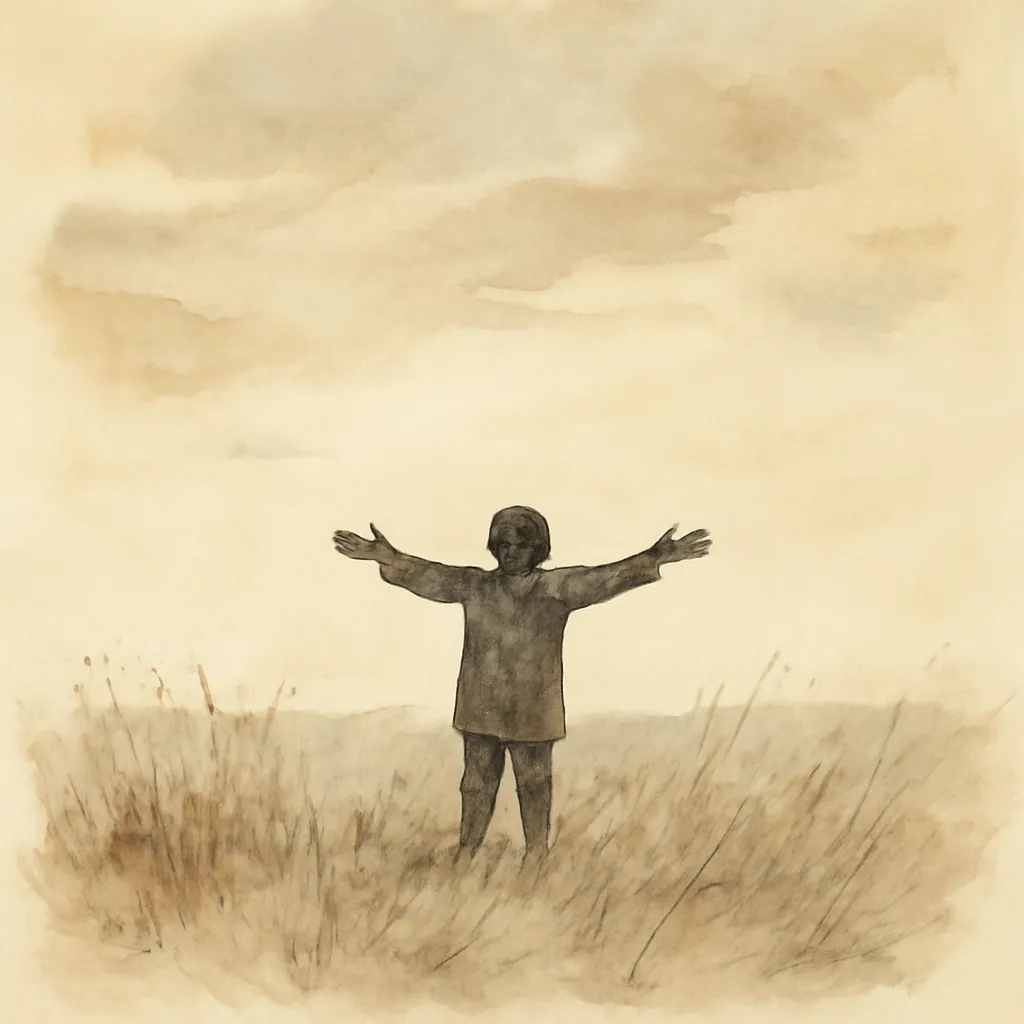
Ultimately, 'Anthem' is a celebration of the individual spirit and the power of self-identity. The journey of Equality 7-2521 serves as a powerful reminder that the human spirit cannot be extinguished, even in the face of oppressive forces. His transformation and eventual escape from the confines of his society symbolize the triumph of individuality over collectivism. The novella concludes on a hopeful note, as Equality envisions a future where he can thrive as an individual, free to express himself and pursue his passions. This theme resonates deeply, encouraging readers to embrace their own individuality and to recognize the strength that lies within each person. It serves as a call to action, urging individuals to stand firm in their beliefs and to champion the cause of personal freedom.