1.Understanding Control
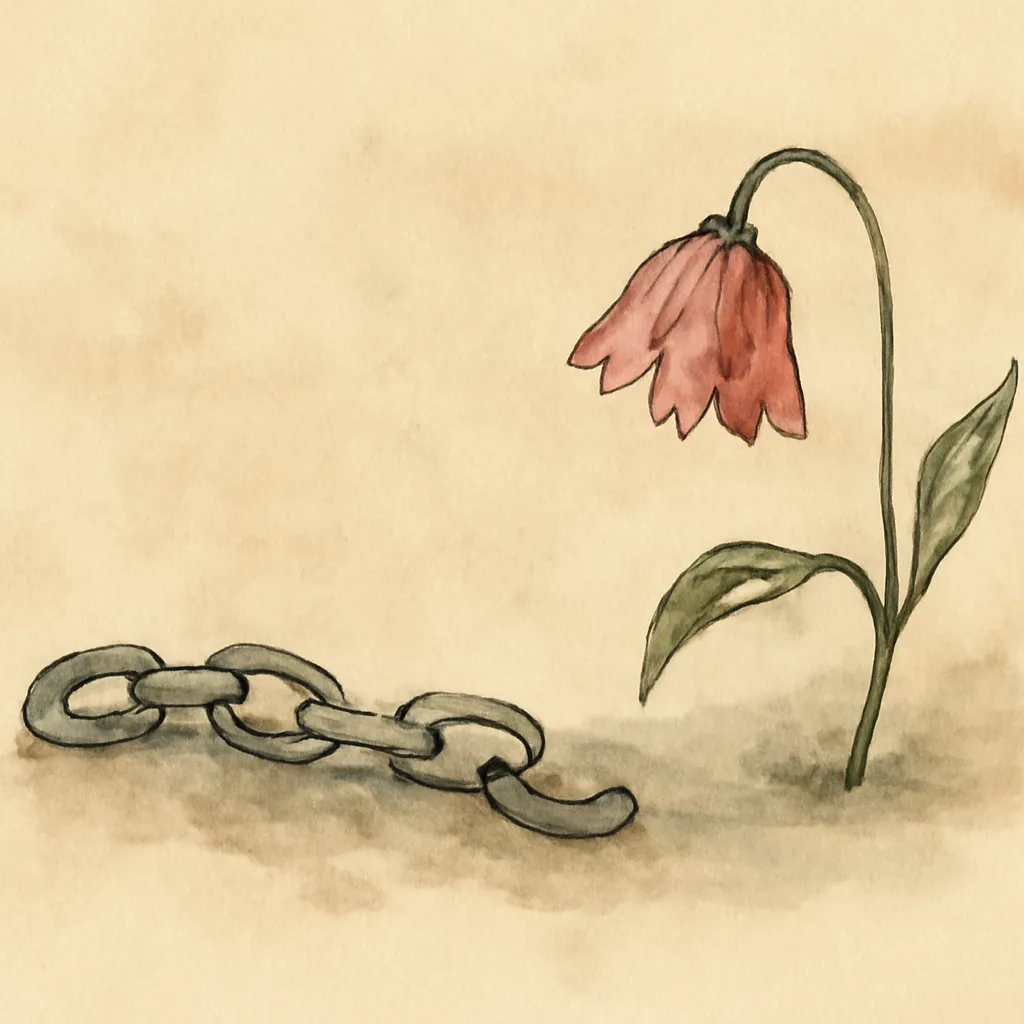
Epictetus emphasizes the crucial distinction between what is within our power and what is not. He asserts that our opinions, desires, and aversions are under our control, while external factors like our body, property, and reputation are not. By recognizing this difference, we can avoid unnecessary suffering caused by lamenting things beyond our control. If we mistakenly believe that external events define our happiness, we will be perpetually hindered and disturbed. For instance, if we tie our sense of self-worth to our wealth or social status, we risk perpetual dissatisfaction. Embracing the understanding that true freedom lies in our internal responses allows us to cultivate resilience and peace, regardless of external circumstances.
2.The Danger of Desire and Aversion
Desire and aversion are powerful forces that can lead to unhappiness if misdirected. Epictetus warns against desiring things outside of our control, such as health or wealth, as these desires can lead to disappointment and suffering. Instead, he advises focusing our aversions only on actions that go against our nature, which are within our power to avoid. By removing aversion from external circumstances, we free ourselves from the emotional turmoil associated with life's unpredictability. For example, fearing poverty or illness can lead to a life paralyzed by anxiety. Conversely, if we shift our focus to the cultivation of virtue and character, we can navigate life's challenges with grace and fortitude.
3.Perception Shapes Reality
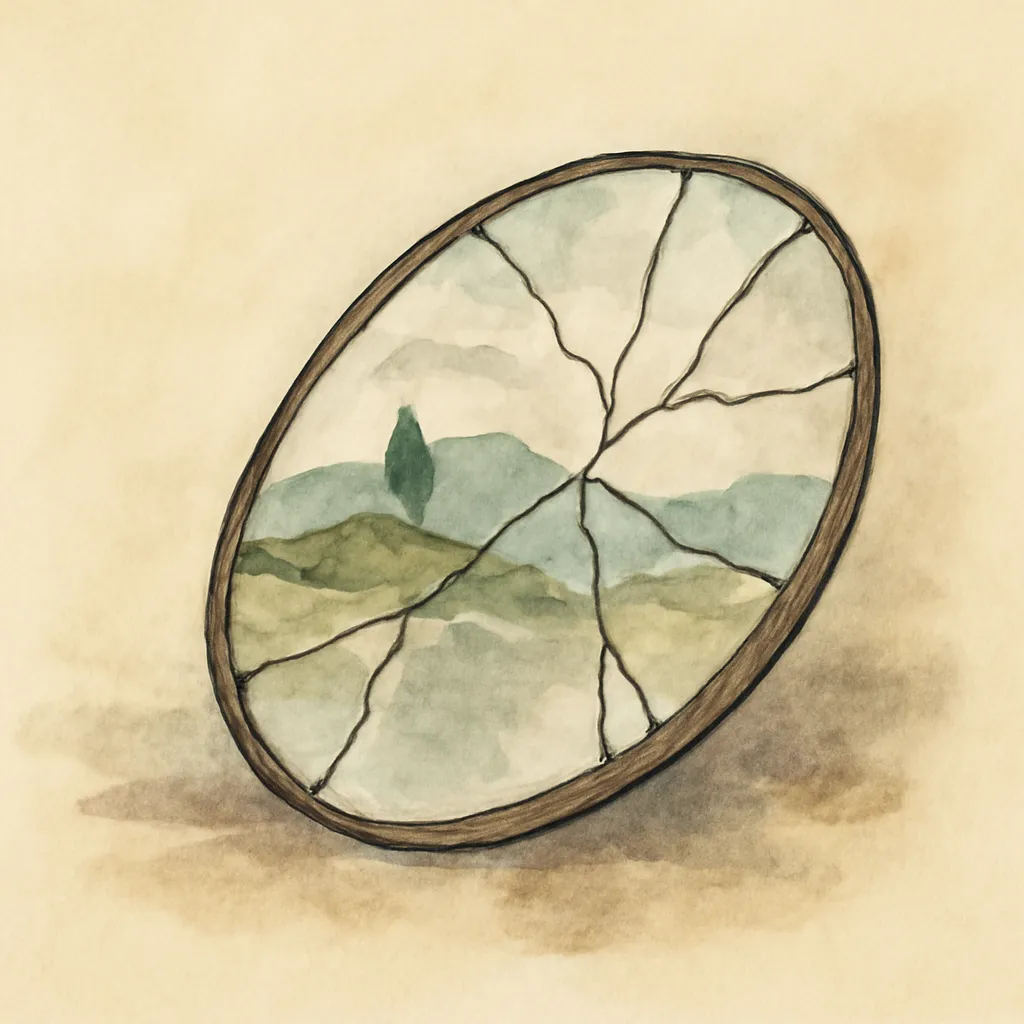
Epictetus teaches that it is not events themselves that disturb us, but our opinions about those events. He uses the example of death, which many fear, to illustrate that the fear stems from societal beliefs rather than the experience itself. By reframing our perspective, we can transform our emotional responses. If we understand that death is a natural part of life, we can approach it with acceptance rather than dread. This principle applies to all areas of life; by adjusting our perceptions, we can cultivate a more tranquil mindset. Practicing this reframing regularly can lead to profound changes in how we experience both joy and sorrow.
4.The Nature of Relationships
In discussing relationships, Epictetus encourages us to view our loved ones through the lens of nature. For example, when we express love for a spouse or child, we should remember their ephemeral nature. This awareness helps us avoid excessive grief when faced with loss. By acknowledging that all things, including relationships, are temporary, we can appreciate them fully without becoming overly attached. This perspective fosters gratitude and presence in our interactions. It also prepares us for the inevitable changes that life brings, allowing us to cherish moments without the burden of unrealistic expectations.
5.Acting with Intention
Before undertaking any action, Epictetus advises us to consider the nature of that act. By mentally rehearsing the potential challenges and distractions involved in our daily tasks, we can approach them with greater clarity and intention. For instance, before going to a social gathering, envision the possible interactions and behaviors of others. This mental preparation allows us to maintain our composure and adhere to our values, regardless of external chaos. By reminding ourselves of our intentions before acting, we cultivate a sense of agency and purpose in our lives. This practice can lead to more deliberate and fulfilling experiences.
6.The Role of Acceptance
Acceptance is a cornerstone of Epictetus's philosophy. He urges us to wish for things to happen as they do, rather than how we want them to be. This radical acceptance fosters a life of tranquility, as we stop resisting the flow of events and start embracing them. By recognizing that we cannot control everything, we can let go of frustration and disappointment. This doesn’t mean we become passive; rather, we learn to respond to events with a calm and rational mindset. For example, if faced with an unexpected job loss, instead of lamenting the situation, we can focus on how to adapt and move forward. This shift in perspective empowers us to find opportunities for growth even in adversity.
7.The Nature of Good and Evil
Epictetus asserts that true good and evil reside within our choices and actions, not in external circumstances. He emphasizes that external possessions, prestige, and reputation are indifferent to our moral character. For instance, a wealthy individual may lack virtue, while a poor person may embody integrity and kindness. By understanding this, we can prioritize cultivating our inner virtues rather than chasing external validation. This perspective liberates us from the societal pressures that often dictate our worth. It encourages us to engage in self-reflection and strive for excellence in our character, which ultimately leads to a more meaningful and fulfilling life.
8.The Importance of Community
Epictetus recognizes the interconnectedness of human relationships and the importance of community. He advises that we approach others with compassion and understanding, recognizing that everyone is navigating their own struggles. When faced with conflict or disagreement, we should remember that the other person's actions stem from their beliefs and perceptions. By practicing empathy, we can foster healthier relationships and create a supportive environment. This principle is especially relevant in today’s polarized world, where understanding and cooperation are essential. By cultivating a sense of community grounded in mutual respect, we can enhance our shared human experience.
9.Living with Integrity
Living with integrity is a central tenet of Epictetus’s teachings. He encourages us to align our actions with our values and principles, regardless of external pressures. By doing so, we maintain our sense of self and purpose. For example, if you value honesty, it is essential to practice it even when it is inconvenient or uncomfortable. This commitment to integrity builds trust and respect in our relationships and fosters a sense of inner peace. It also reinforces our character, making it easier to navigate life's challenges with clarity and confidence. By consistently practicing integrity, we become not only better individuals but also positive influences on those around us.
10.Philosophy as a Way of Life
Epictetus insists that philosophy is not merely a theoretical pursuit but a practical guide for living. He urges us to embody philosophical principles in our daily actions rather than merely discussing them. This means actively applying Stoic teachings to navigate everyday challenges, such as dealing with difficult people or managing stress. By integrating philosophy into our lives, we can cultivate resilience and a sense of purpose. For instance, during moments of frustration, remembering Epictetus’s teachings can help us redirect our focus towards what we can control. This commitment to living philosophically transforms our approach to life into a continuous journey of growth and self-improvement.