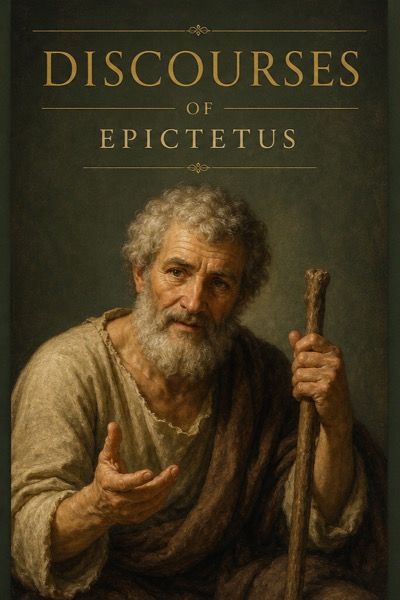
1.Control and Acceptance
Epictetus teaches that the foundation of happiness is distinguishing between what we can and cannot control. Our actions, judgments, and desires are within our power; external events and other people's opinions are not. By focusing our energy on our own responses and accepting what lies beyond our influence, we free ourselves from frustration and anxiety. This core Stoic insight invites readers to let go of futile worries and cultivate inner tranquility.
2.Virtue as the Highest Good
For Epictetus, virtue—living in accordance with reason and nature—is the only true good. External successes or failures are indifferent; what matters is the character we display in facing them. Courage, justice, self-control, and wisdom are the qualities that define a good life. This perspective shifts the focus from chasing status or wealth to developing moral strength and integrity.
3.Responding to Adversity
Adversity is not to be feared but embraced as a test of character. Epictetus argues that challenges are opportunities to practice virtue and resilience. By reframing difficulties as chances to exercise patience, humility, or courage, we transform suffering into personal growth. This attitude fosters endurance and a sense of agency even in hardship.
4.Freedom Through Detachment
True freedom, according to Epictetus, comes from detaching our happiness from external outcomes. When we are no longer slaves to desire or fear, we become self-sufficient and unshakable. This does not mean withdrawal from life, but rather engaging with the world without letting it dictate our inner state. Such detachment is the essence of Stoic serenity.
5.Practical Philosophy for Daily Life
Unlike abstract theorizing, Epictetus insists that philosophy must be lived. His Discourses are filled with concrete examples and exercises for applying Stoic principles in everyday situations—whether dealing with insults, loss, or temptation. The emphasis is on action: philosophy is a discipline to be practiced, not just discussed.
6.Role and Duty
Epictetus emphasizes understanding and fulfilling our roles—whether as parents, citizens, or friends. Each role comes with duties, and performing them with integrity is central to Stoic ethics. By accepting our place in the larger order and acting responsibly, we contribute to both personal and communal harmony.