
Pesticides · Biological control · Toxicology
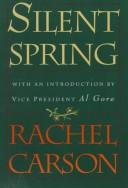
Silent Spring by Rachel Carson — Summary, Key Ideas & Quotes
1962336 pages✦ 3-min Big ideas★ 4.0 (19)
Rate it
This account of the effects of pesticides on the environment launched the environmental movement in America.
Carson meticulously documents how chemicals like DDT, sprayed widely in the name of progress, have devastating effects far beyond their intended targets. She describes how these toxins accumulate in the food chain, harming birds, fish, and ultimately humans. The book’s central argument is that short-term gains in pest control come at the cost of long-term ecological damage, much of which is invisible until it is too late.
A core theme is the intricate web of life. Carson shows how disrupting one part of an ecosystem—by killing insects, for example—can have ripple effects on birds, plants, and even soil health. This holistic view was groundbreaking at the time and laid the foundation for modern ecology, emphasizing that human actions reverberate throughout the environment.
“In nature, nothing exists alone.”
“The 'control of nature' is a phrase conceived in arrogance, born of the Neanderthal age of biology and philosophy.”
“Those who contemplate the beauty of the earth find reserves of strength that will endure as long as life lasts.”
