1.The Unseen Consequences of Pesticides
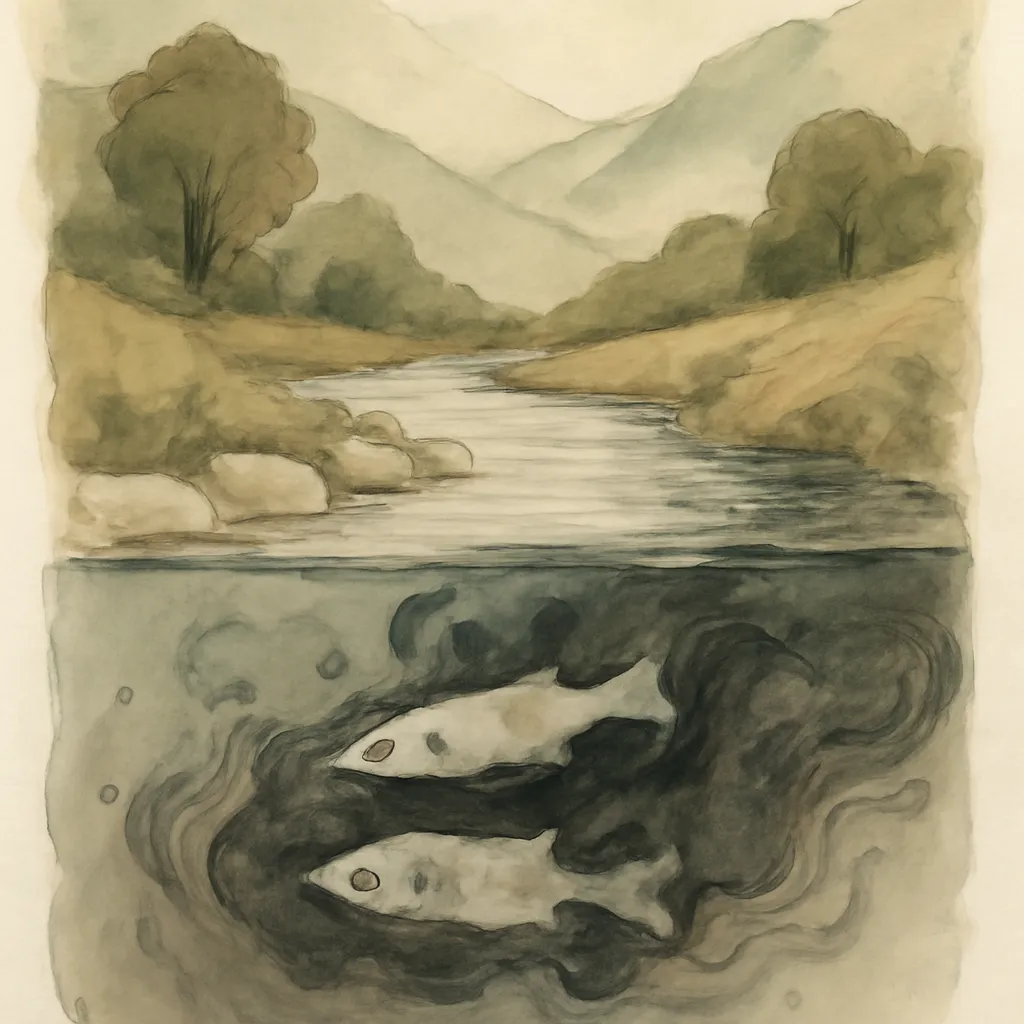
Carson meticulously documents how chemicals like DDT, sprayed widely in the name of progress, have devastating effects far beyond their intended targets. She describes how these toxins accumulate in the food chain, harming birds, fish, and ultimately humans. The book’s central argument is that short-term gains in pest control come at the cost of long-term ecological damage, much of which is invisible until it is too late.
2.Interconnectedness of Nature
A core theme is the intricate web of life. Carson shows how disrupting one part of an ecosystem—by killing insects, for example—can have ripple effects on birds, plants, and even soil health. This holistic view was groundbreaking at the time and laid the foundation for modern ecology, emphasizing that human actions reverberate throughout the environment.
3.The Dangers of Technological Hubris
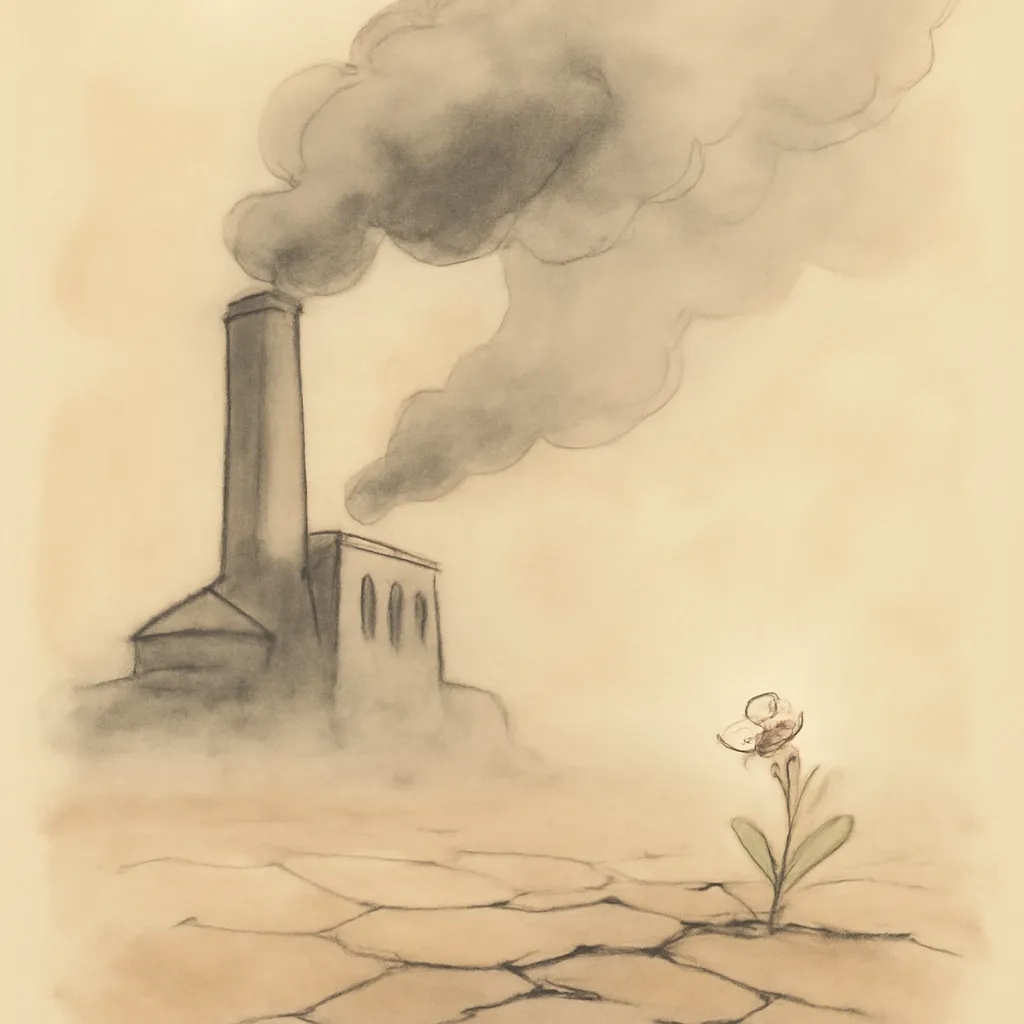
Carson criticizes the blind faith in technological solutions and the arrogance of assuming humans can control nature without unintended consequences. She warns that the chemical industry’s promises of safety are often based on incomplete science, and that regulatory agencies have failed to protect the public interest.
4.The Power of Public Awareness
Silent Spring is not just a scientific treatise—it’s a rallying cry for ordinary people to demand change. Carson argues that informed citizens can challenge industry and government, and that public pressure is crucial for reform. The book itself became a catalyst for the environmental movement, demonstrating the impact of raising awareness.
5.Precaution and Responsibility
Carson advocates for a precautionary approach to new technologies, urging society to consider the potential long-term effects before acting. She calls for humility, responsibility, and a respect for nature’s complexity, arguing that prevention is better than cure when it comes to environmental harm.