
Historia · History · Rome, history
SPQR by Mary Beard, Silvia Furió — Summary, Key Ideas & Quotes
2015644 pages✦ 3-min Big ideas★ 3.9 (22)
Rate it
"Ancient Rome matters. Its history of empire, conquest, cruelty and excess is something against which we still judge ourselves. Its myths and stories - from Romulus and Remus to the Rape of Lucretia - still strike a chord with us. And its debates about citizenship, security and the rights of the individual still influence our own debates on civil liberty today. SPQR is a new look at Roman history from one of the world's foremost classicists. It explores not only how Rome grew from an insignificant village in central Italy to a power that controlled territory from Spain to Syria, but also how the Romans thought about themselves and their achievements, and why they are still important to us. Covering 1,000 years of history, and casting fresh light on the basics of Roman culture from slavery to running water, as well as exploring democracy, migration, religious controversy, social mobility and exploitation in the larger context of the empire, this is a definitive history of ancient Rome. SPQR is the Romans' own abbreviation for their state: Senatus Populusque Romanus, 'the Senate and People of Rome'"--Jacket.
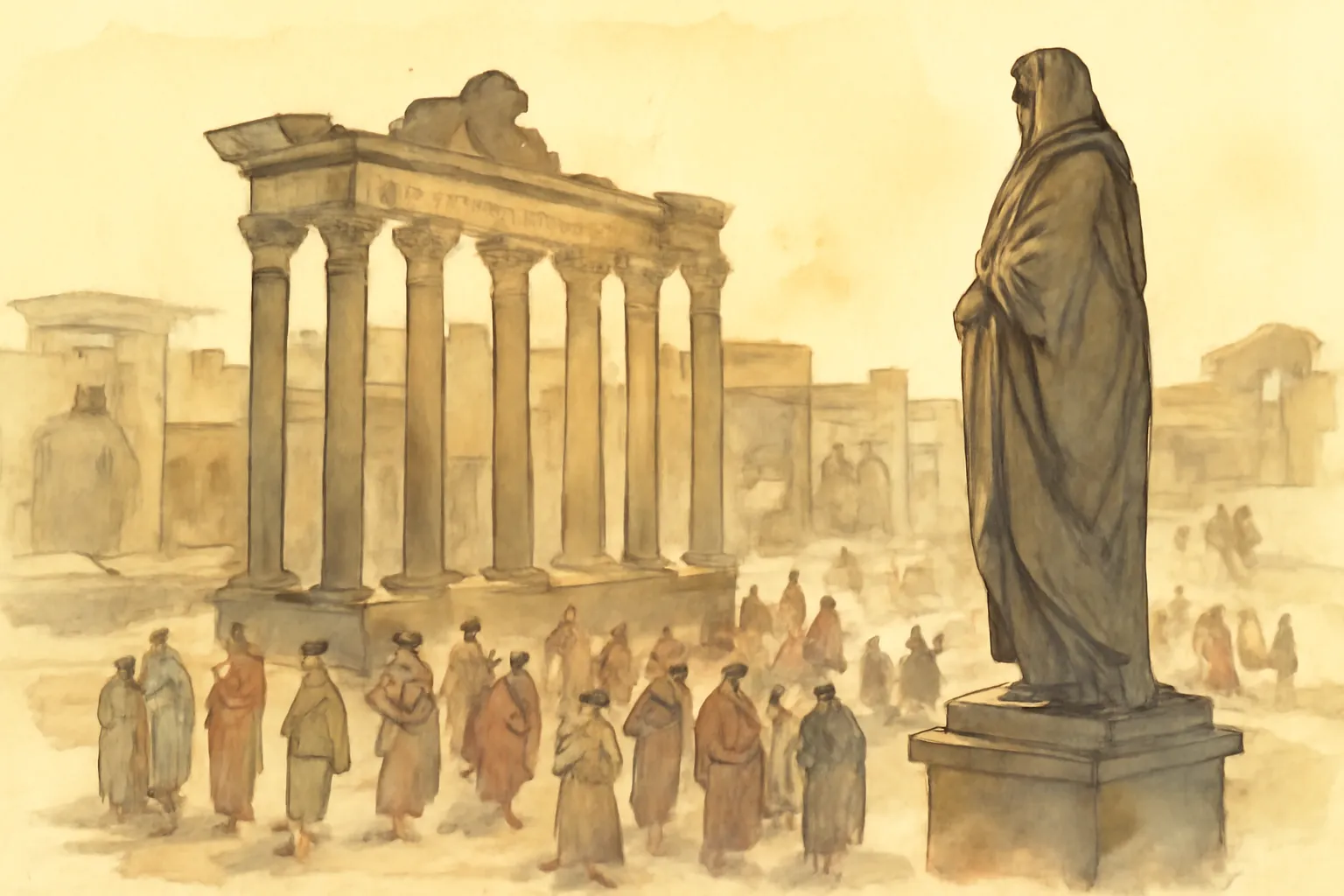
Beard begins by questioning the traditional stories of Rome’s founding—such as the tales of Romulus and Remus—and explores how Romans themselves shaped and reshaped their own origin myths. She shows that these stories were never static: they were tools for making sense of identity, legitimacy, and power. By focusing on how Romans told their own history, Beard encourages readers to see the past as dynamic and contested, not fixed or inevitable.
A central theme in SPQR is the evolution of Roman citizenship. Beard details how Rome’s willingness to extend citizenship beyond its original inhabitants was a radical and strategic move, helping to bind together a diverse and expanding population. She explores the tensions and debates this created—who counted as Roman, and why?—and draws parallels to modern questions about inclusion, migration, and national identity.
“Ancient Rome is important, not because it is ancient, but because it is Rome.”
“History is always more complicated than the stories we tell about it.”