1.Rome’s Origins: Myth, Reality, and Identity
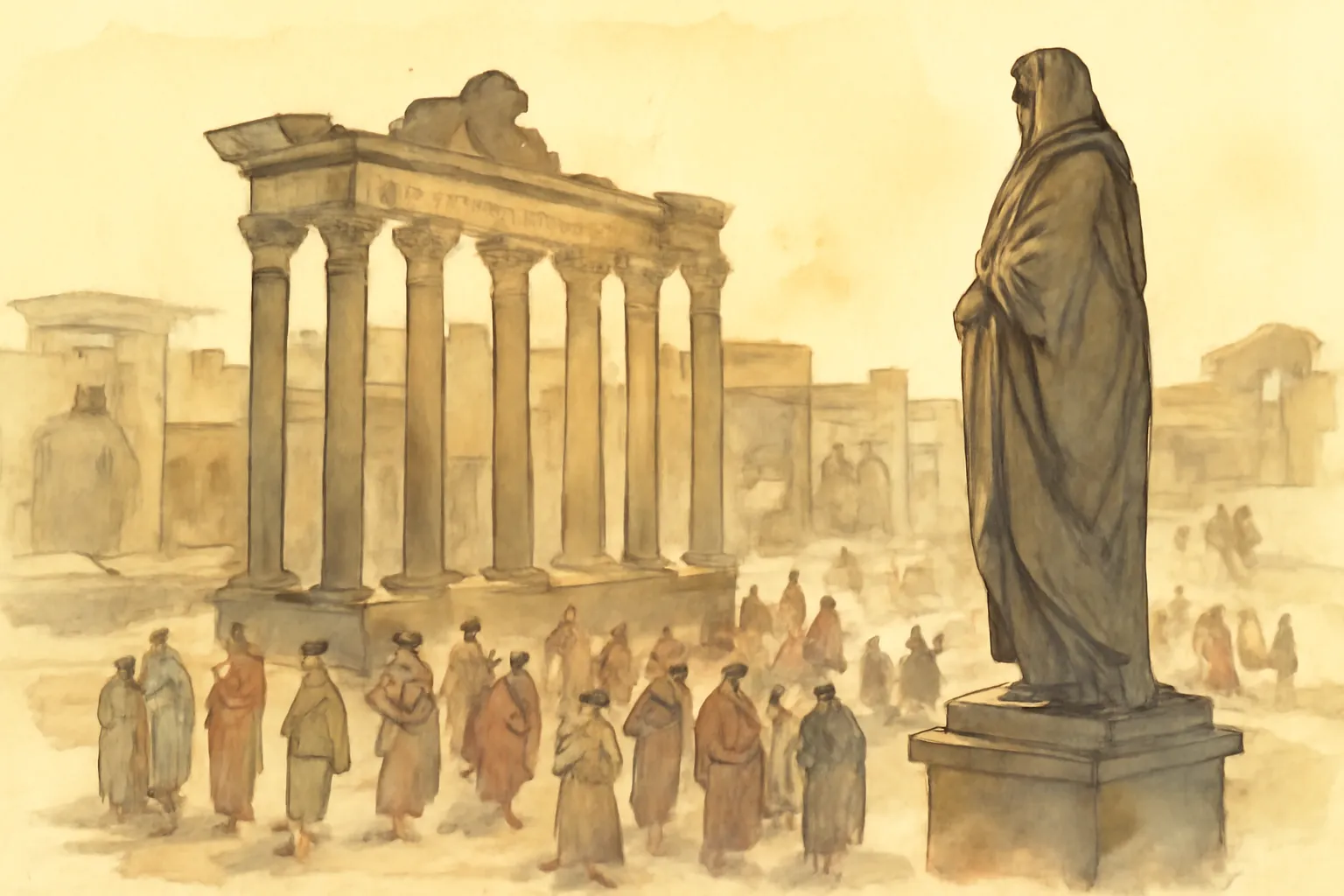
Beard begins by questioning the traditional stories of Rome’s founding—such as the tales of Romulus and Remus—and explores how Romans themselves shaped and reshaped their own origin myths. She shows that these stories were never static: they were tools for making sense of identity, legitimacy, and power. By focusing on how Romans told their own history, Beard encourages readers to see the past as dynamic and contested, not fixed or inevitable.
2.Citizenship and Belonging
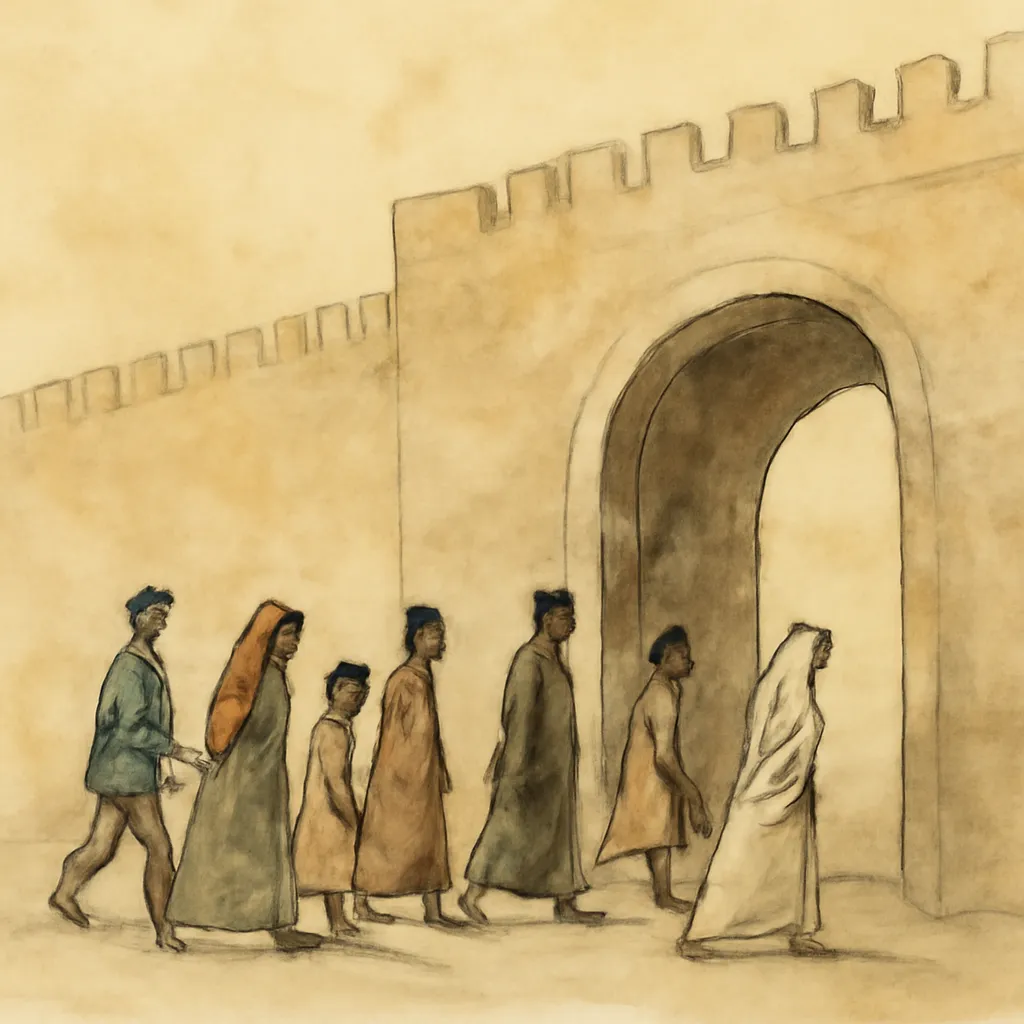
A central theme in SPQR is the evolution of Roman citizenship. Beard details how Rome’s willingness to extend citizenship beyond its original inhabitants was a radical and strategic move, helping to bind together a diverse and expanding population. She explores the tensions and debates this created—who counted as Roman, and why?—and draws parallels to modern questions about inclusion, migration, and national identity.
3.Power, Politics, and the People
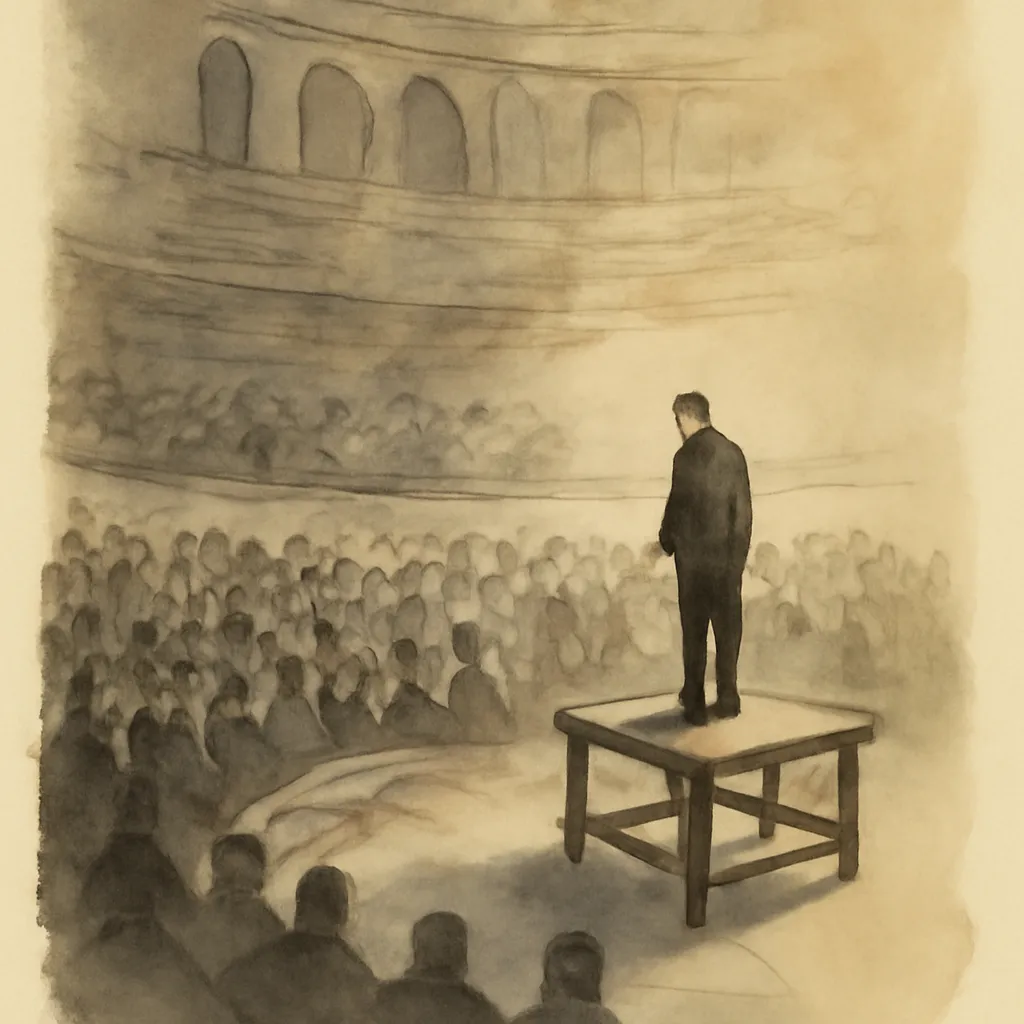
Rather than focusing solely on emperors or generals, SPQR emphasizes the complex interplay between elite power and popular participation. Beard examines how the Roman Republic balanced the interests of the Senate, the people, and ambitious individuals, and how this balance repeatedly broke down. She highlights the importance of political debate, public assemblies, and the role of ordinary Romans in shaping their state, challenging the idea that Rome was always an autocracy.
4.Slavery, Inequality, and Social Mobility
Beard does not shy away from the darker aspects of Roman society, including its reliance on slavery and stark social hierarchies. Yet she also uncovers surprising stories of mobility and change: freed slaves could become wealthy, and new men could rise to prominence. By showing both the brutality and the dynamism of Roman society, Beard complicates any simple moral judgment and encourages readers to grapple with the contradictions of power and progress.
5.Why Rome Still Matters
Throughout SPQR, Beard argues that Rome’s significance lies not in its supposed perfection or decadence, but in its ongoing relevance. The questions Romans asked—about citizenship, rights, violence, and the limits of power—are still with us. By demystifying Rome and showing its history as full of argument and change, Beard invites readers to see themselves as part of a long conversation about what it means to build and sustain a community.
6.History as Debate, Not Dogma
Beard’s approach is refreshingly skeptical and open-ended. She resists the temptation to draw simple lessons or moralize about Rome, instead emphasizing the uncertainties and debates that define both ancient history and our understanding of it. SPQR is as much about how we know what we know about Rome as it is about Rome itself, making it a model for critical historical thinking.