TECHNOLOGY & ENGINEERING / General · History · Inc Apple Computer
Steve Jobs by Walter Isaacson — Summary, Key Ideas & Quotes
2011665 pages✦ 3-min Big ideas★ 4.2 (171)
Rate it
Based on more than forty interviews with Jobs conducted over two years -- as well as interviews with more than a hundred family members, friends, adversaries, competitors, and colleagues -- Walter Isaacson has written a riveting story of the roller-coaster life and searingly intense personality of a creative entrepreneur whose passion for perfection and ferocious drive revolutionized six industries: personal computers, animated movies, music, phones, tablet computing, and digital publishing. At a time when America is seeking ways to sustain its innovative edge, and when societies around the world are trying to build digital-age economies, Jobs stands as the ultimate icon of inventiveness and applied imagination. He knew that the best way to create value in the twenty-first century was to connect creativity with technology. He built a company where leaps of the imagination were combined with remarkable feats of engineering. Although Jobs cooperated with this book, he asked for no control over what was written nor even the right to read it before it was published. He put nothing off-limits. He encouraged the people he knew to speak honestly. And Jobs speaks candidly, sometimes brutally so, about the people he worked with and competed against. His friends, foes, and colleagues provide an unvarnished view of the passions, perfectionism, obsessions, artistry, devilry, and compulsion for control that shaped his approach to business and the innovative products that resulted. Driven by demons, Jobs could drive those around him to fury and despair. But his personality and products were interrelated, just as Apple's hardware and software tended to be, as if part of an integrated system. His tale is instructive and cautionary, filled with lessons about innovation, character, leadership, and values. - Publisher.
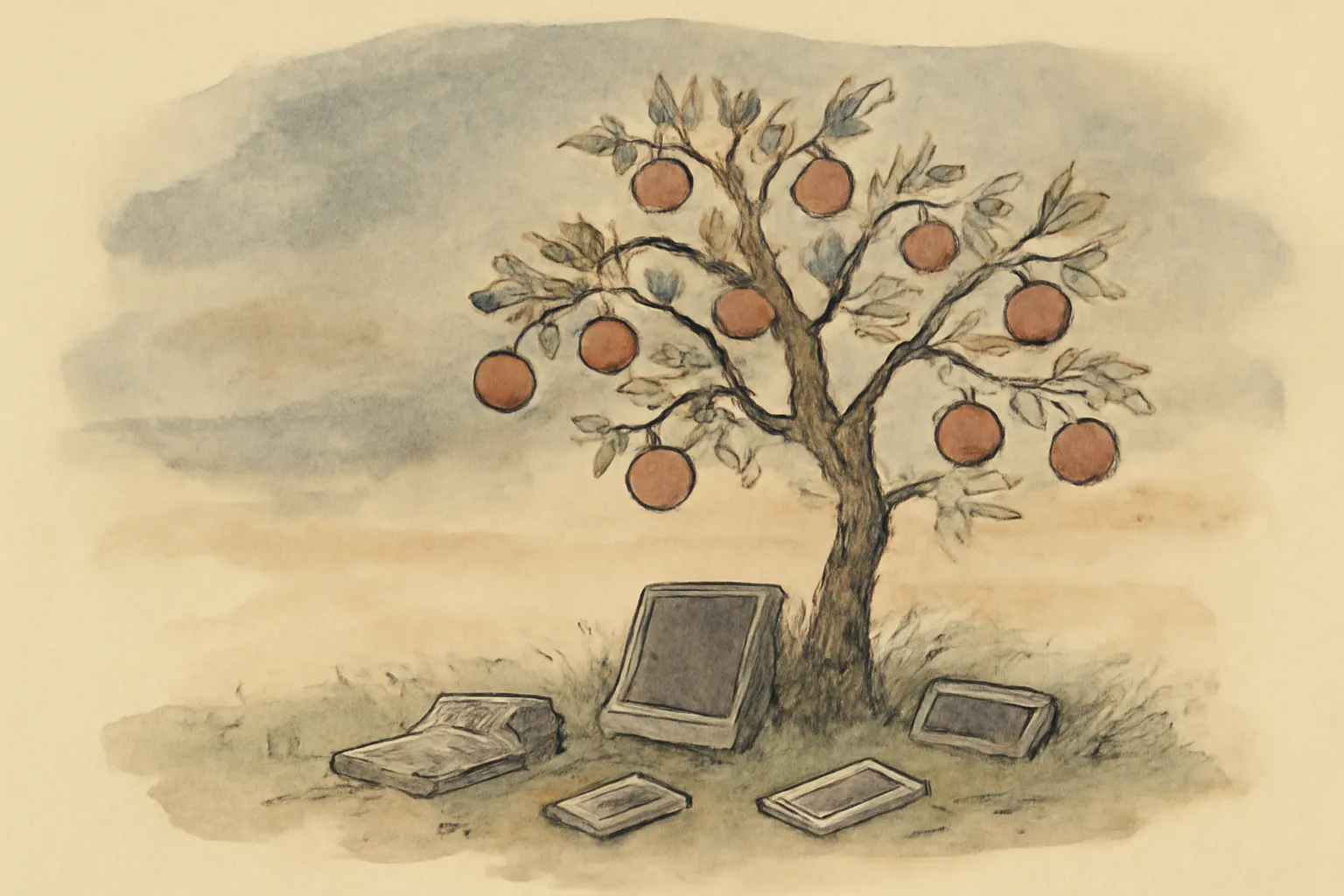
Jobs’ brilliance was inseparable from his difficult personality. Isaacson explores how Jobs’ perfectionism, intensity, and emotional volatility both fueled Apple’s breakthroughs and strained relationships. The book doesn’t shy away from Jobs’ flaws—his manipulative tendencies, his sometimes cruel honesty, and his reality distortion field—but shows how these same traits enabled him to push teams to achieve what seemed impossible. Readers are left to grapple with the question: can greatness and kindness coexist, or are they sometimes at odds?
A core theme is Jobs’ conviction that true innovation happens at the intersection of technology and the liberal arts. He insisted that Apple’s products be not just functional but beautiful, intuitive, and emotionally resonant. Isaacson details how Jobs’ aesthetic sensibility and obsession with simplicity led to products like the iPod, iPhone, and Mac, which didn’t just work—they delighted. This holistic vision set Apple apart and redefined consumer expectations.
“The people who are crazy enough to think they can change the world are the ones who do.”
“Innovation distinguishes between a leader and a follower.”
“Stay hungry. Stay foolish.”