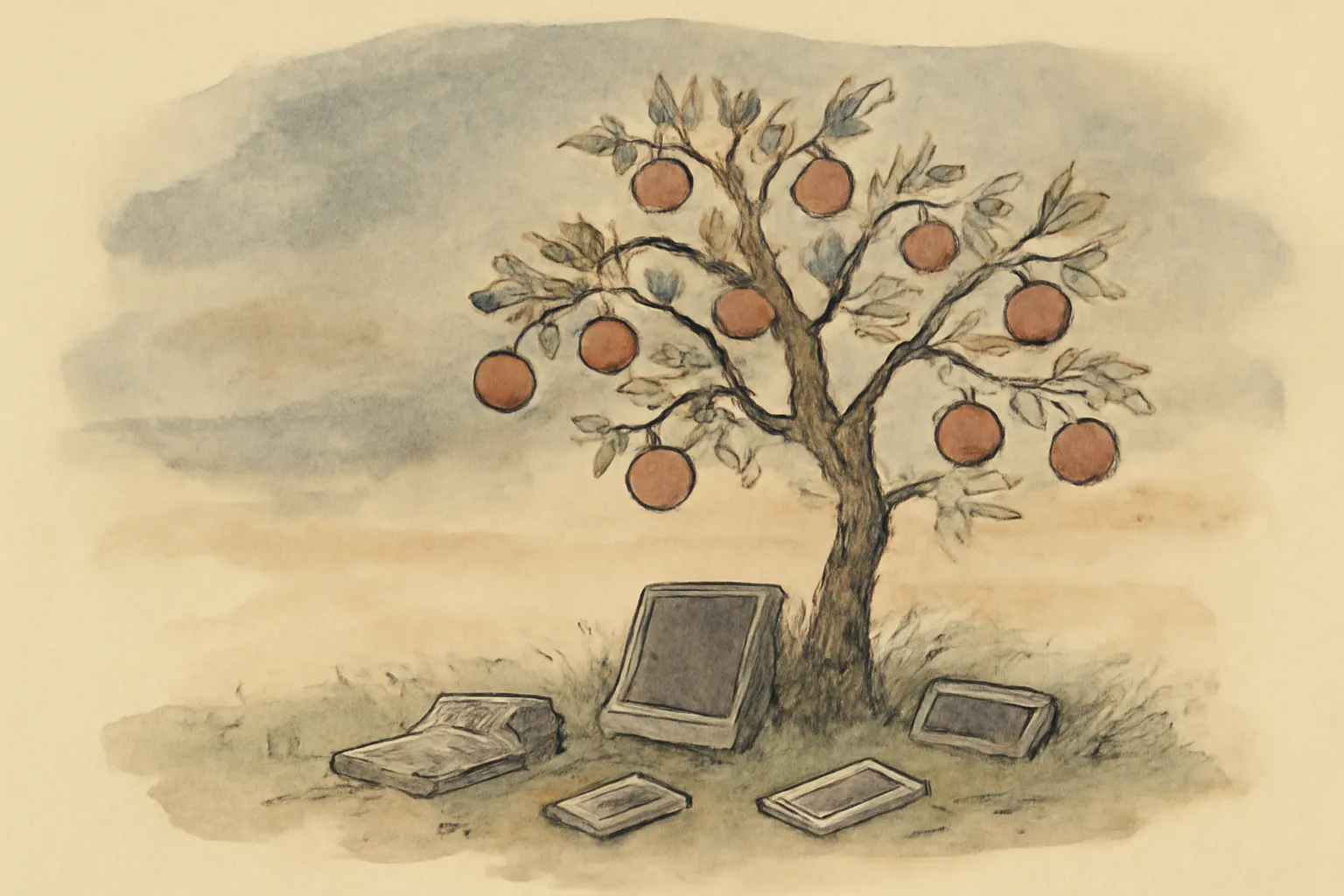
1.The Paradox of Genius
Jobs’ brilliance was inseparable from his difficult personality. Isaacson explores how Jobs’ perfectionism, intensity, and emotional volatility both fueled Apple’s breakthroughs and strained relationships. The book doesn’t shy away from Jobs’ flaws—his manipulative tendencies, his sometimes cruel honesty, and his reality distortion field—but shows how these same traits enabled him to push teams to achieve what seemed impossible. Readers are left to grapple with the question: can greatness and kindness coexist, or are they sometimes at odds?
2.Innovation at the Intersection
A core theme is Jobs’ conviction that true innovation happens at the intersection of technology and the liberal arts. He insisted that Apple’s products be not just functional but beautiful, intuitive, and emotionally resonant. Isaacson details how Jobs’ aesthetic sensibility and obsession with simplicity led to products like the iPod, iPhone, and Mac, which didn’t just work—they delighted. This holistic vision set Apple apart and redefined consumer expectations.
3.Leadership by Vision (and Force of Will)
Jobs led through inspiration, relentless standards, and, at times, sheer force of personality. Isaacson shows how Jobs’ charisma and certainty could rally teams, but also how his demanding nature sometimes created a culture of fear. He was both a motivator and a provocateur, unafraid to challenge, dismiss, or even berate those around him if it meant achieving excellence. The book invites readers to consider the costs and benefits of visionary leadership.
4.Failure as a Crucible
Jobs’ story is not one of unbroken success. Isaacson chronicles his ouster from Apple, the struggles at NeXT, and the lessons Jobs learned from failure. These setbacks humbled and matured him, ultimately preparing him for his triumphant return to Apple. The biography underscores that resilience and the willingness to learn from mistakes are as vital to innovation as original ideas.
5.The Personal and the Professional
Isaacson delves into Jobs’ complicated personal life—his relationships, family, and health struggles. The book connects these personal dimensions to his professional drive, showing how Jobs’ search for identity, meaning, and legacy shaped his approach to work. His battle with cancer and reflections on mortality added urgency to his later achievements, making the story as much about the man as the mogul.
6.Legacy and the Power of Story
Jobs was acutely aware of the narratives surrounding his life and work. Isaacson’s biography itself becomes part of this legacy, offering a nuanced account that resists hagiography. By presenting Jobs in full—brilliant, difficult, visionary, flawed—the book invites readers to reflect on what it means to leave a mark on the world, and at what personal cost.