

Race relations · Young adult fiction · Indians of North America
The Absolutely True Diary of a Part-Time Indian by Sherman Alexie — Summary, Key Ideas & Quotes
2007272 pages✦ 3-min Big ideas★ 3.7 (33)
Rate it
Budding cartoonist Junior leaves his troubled school on the Spokane Indian Reservation to attend an all-white farm town school where the only other Indian is the school mascot.
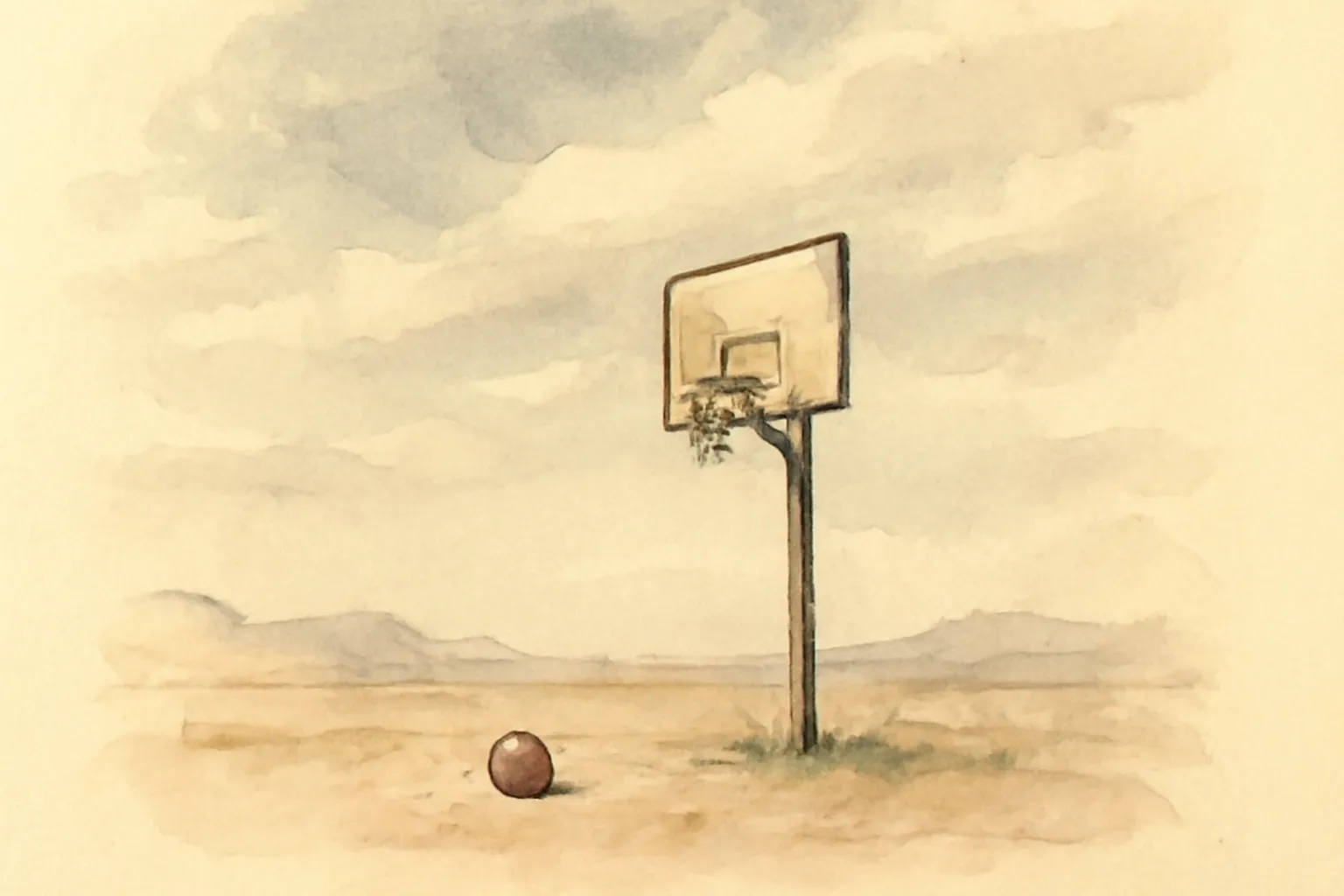
Junior, the protagonist, is caught between his life on the Spokane Indian Reservation and his new experiences at a predominantly white high school. This dual existence forces him to constantly negotiate who he is and where he belongs. The book uses Junior’s voice and cartoons to capture the confusion, humor, and pain of living in two worlds, highlighting the universal struggle of forming an identity when you don’t fully fit anywhere.
Hope is a central theme, depicted as both a lifeline and a source of conflict. Junior’s decision to leave the reservation school is driven by hope for a better future, but it also means facing alienation from his community. The narrative shows how hope can be a radical, even dangerous act in a place weighed down by poverty and despair, but also how it is essential for survival and growth.
“I think the world is a series of broken dams and floods, and my cartoons are tiny little lifeboats.”
“We were supposed to kill the Indian to save the child.”
“If you let people into your life a little bit, they can be pretty damn amazing.”