1.Identity and Duality
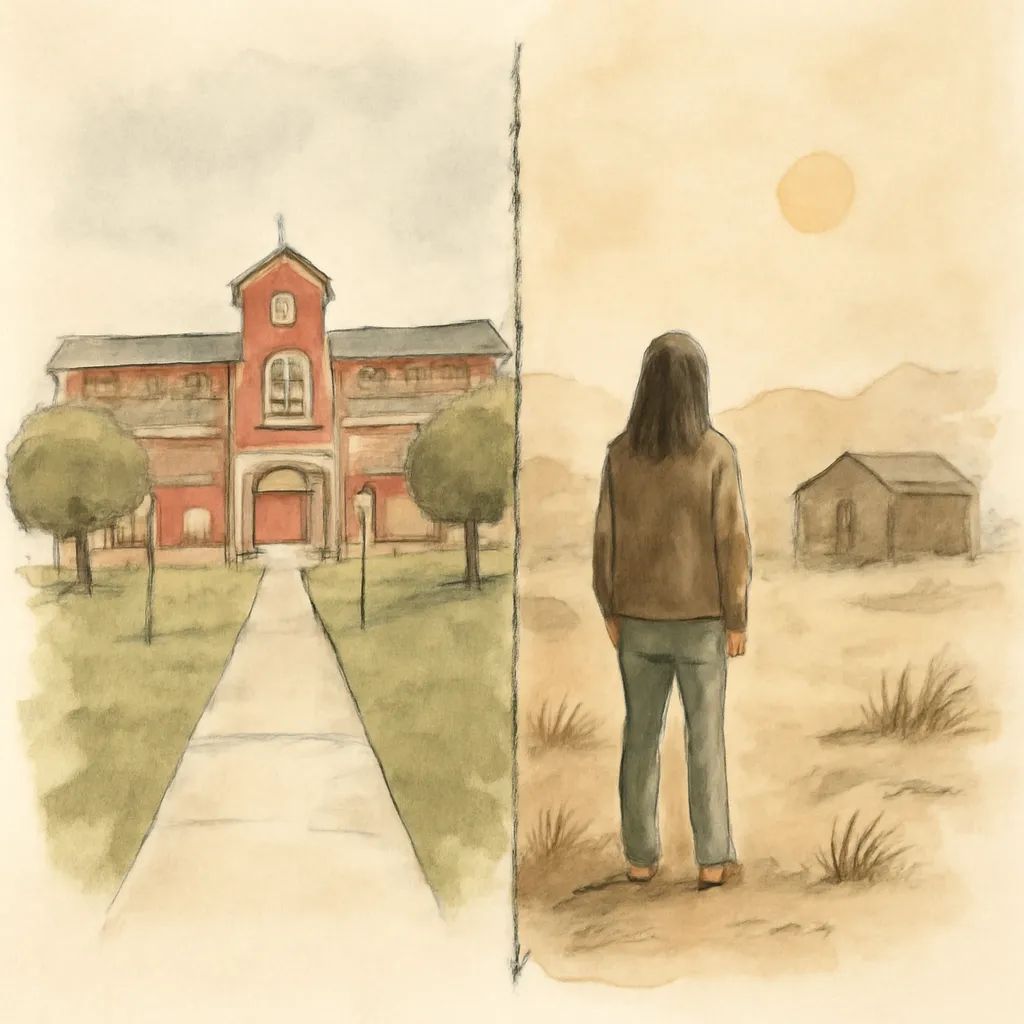
Junior, the protagonist, is caught between his life on the Spokane Indian Reservation and his new experiences at a predominantly white high school. This dual existence forces him to constantly negotiate who he is and where he belongs. The book uses Junior’s voice and cartoons to capture the confusion, humor, and pain of living in two worlds, highlighting the universal struggle of forming an identity when you don’t fully fit anywhere.
2.The Power and Pain of Hope
Hope is a central theme, depicted as both a lifeline and a source of conflict. Junior’s decision to leave the reservation school is driven by hope for a better future, but it also means facing alienation from his community. The narrative shows how hope can be a radical, even dangerous act in a place weighed down by poverty and despair, but also how it is essential for survival and growth.
3.Racism and Social Inequality
The book doesn’t shy away from portraying the deep-seated racism and systemic inequalities faced by Native Americans. Junior encounters prejudice both on and off the reservation, and the story uses his perspective to expose how historical and ongoing injustices shape opportunities, relationships, and self-worth. By weaving humor with hard truths, Alexie invites readers to confront uncomfortable realities without losing empathy.
4.Family, Friendship, and Loss
Junior’s relationships—with his family, his best friend Rowdy, and new friends at his school—are at the heart of the story. The novel explores how love and loyalty are tested by change, grief, and betrayal. Loss is a recurring element, with Junior experiencing multiple deaths, but the narrative also shows the resilience of human connections and the ways people support each other through hardship.
5.The Role of Art and Humor
Junior’s cartoons are more than just comic relief—they’re a survival tool and a way to process pain. The book itself is laced with humor, even in the darkest moments, demonstrating how laughter and creativity can be acts of resistance and healing. Art becomes a bridge between worlds and a means of self-expression that empowers Junior to tell his own story.
6.Breaking Cycles
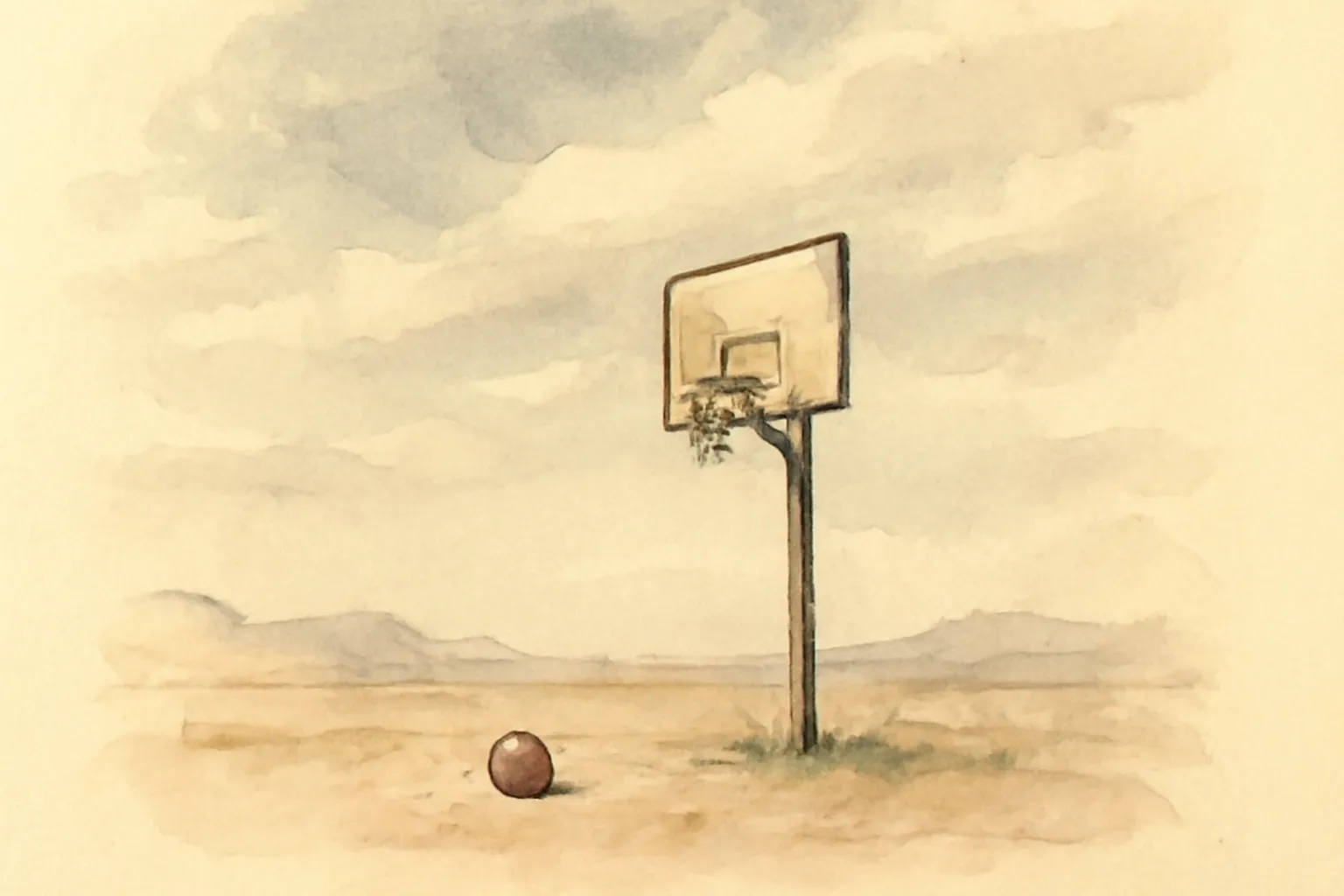
A major motif is the idea of breaking out of destructive cycles—of poverty, alcoholism, and hopelessness—that have afflicted Junior’s community for generations. Junior’s journey is both personal and symbolic, suggesting that change is possible, but not without cost. The book raises questions about what it takes to challenge the status quo and the courage required to be the first to try.