The Anglo-Saxon Chronicle by Anonymous — Summary, Key Ideas & Quotes
2004176 pages✦ 3-min Big ideas
Rate it
Originally compiled on the orders of King Alfred the Great, approximately A.D. 890, and subsequently maintained and added to by generations of anonymous scribes until the middle of the 12th Century. The original language is Anglo-Saxon (Old English), but later entries are essentially Middle English in tone. Translation by Rev. James Ingram (London, 1823).
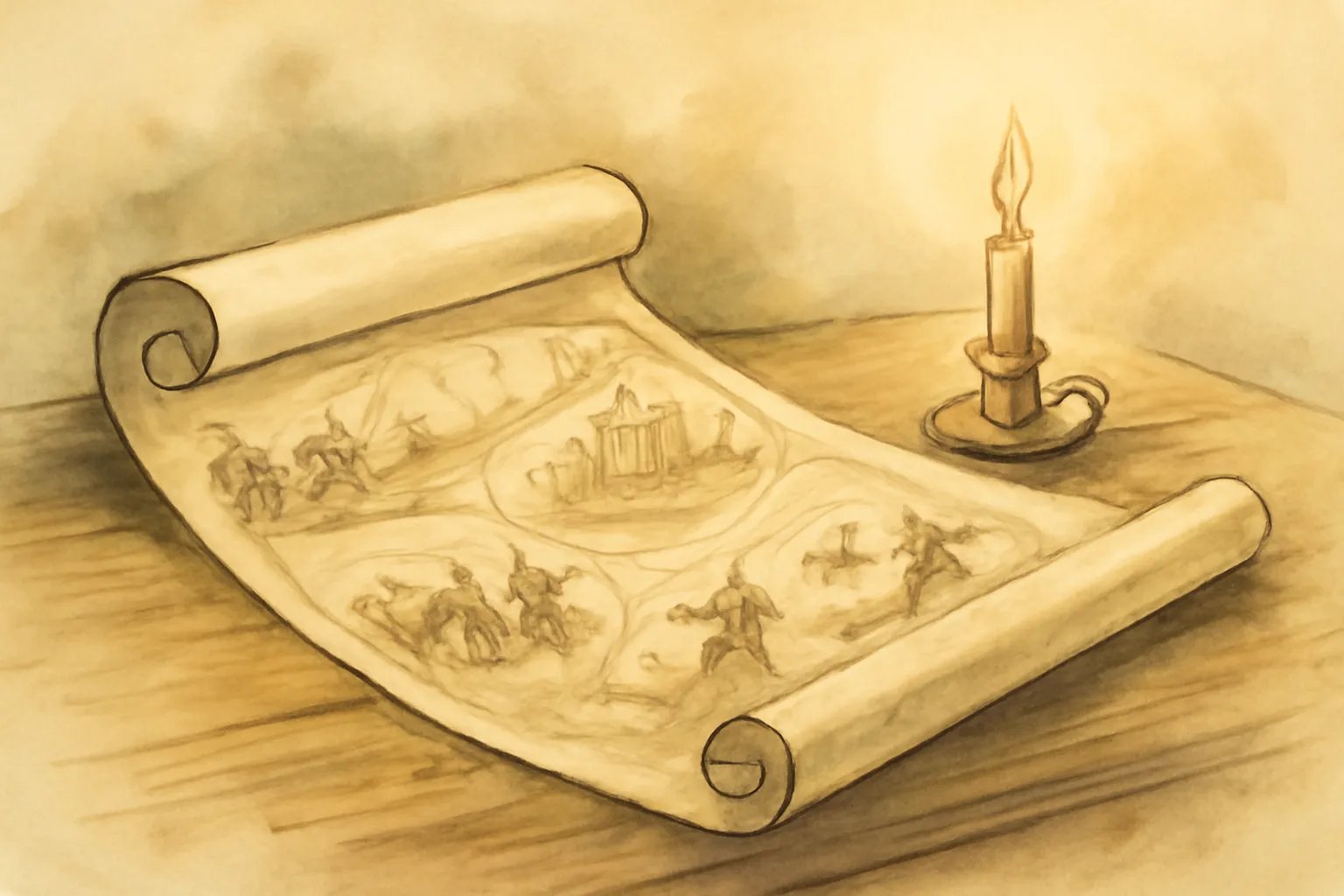
The Chronicle is less a neutral record and more a living document, shaped by the concerns and biases of its compilers. Written by monks and scholars under royal patronage, its entries reflect the priorities of rulers, the anxieties of invasions, and the shifting fortunes of kingdoms. This subjectivity makes it invaluable for understanding not just what happened, but how events were perceived and remembered.
Across its centuries of entries, the Chronicle charts the gradual emergence of a unified English identity. Early annals focus on disparate kingdoms—Wessex, Mercia, Northumbria—while later entries increasingly speak of 'the English' as a people. This evolution mirrors the political unification of England and reveals how collective identity is forged through shared struggle and narrative.