1.A Chronicle Shaped by Its Times
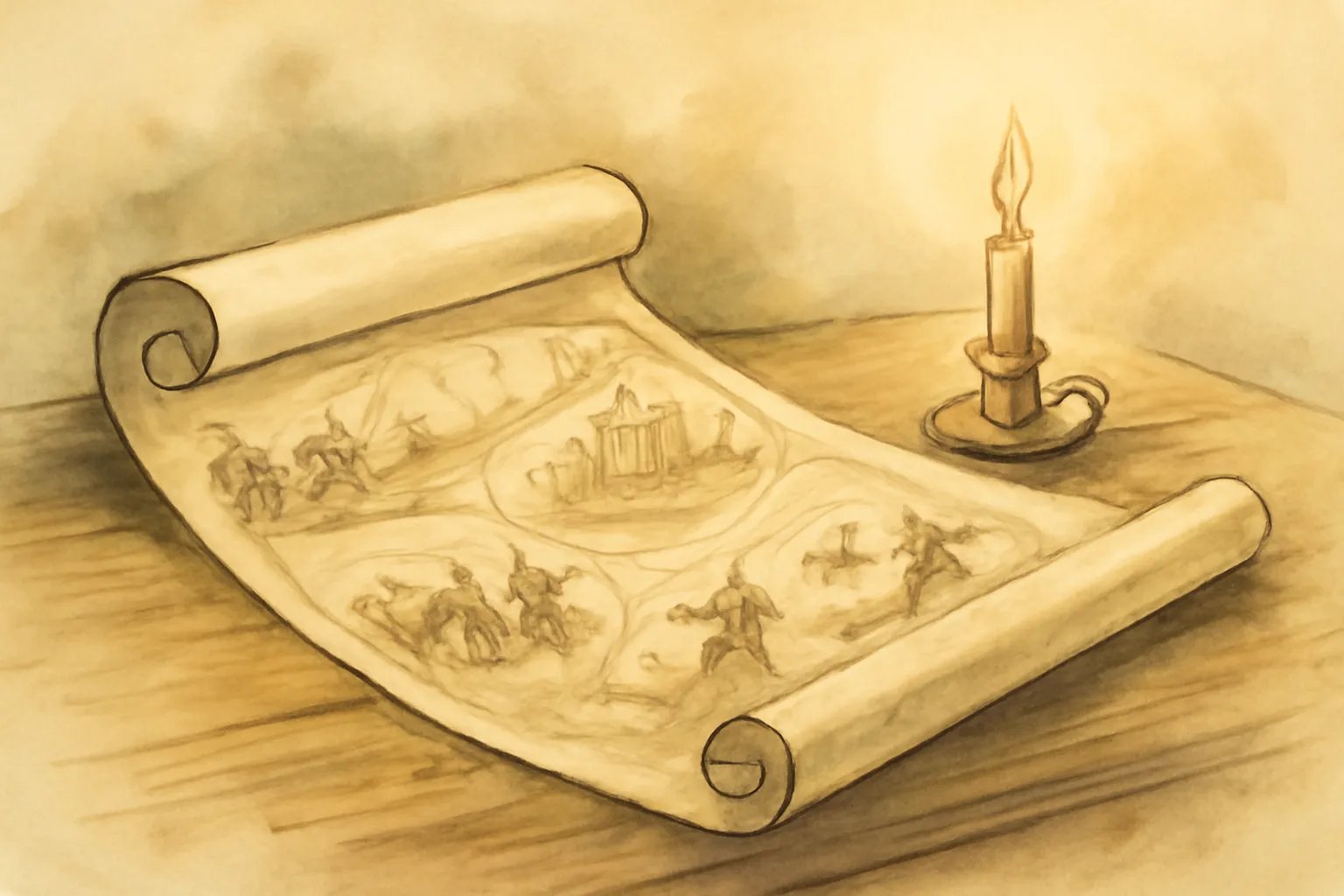
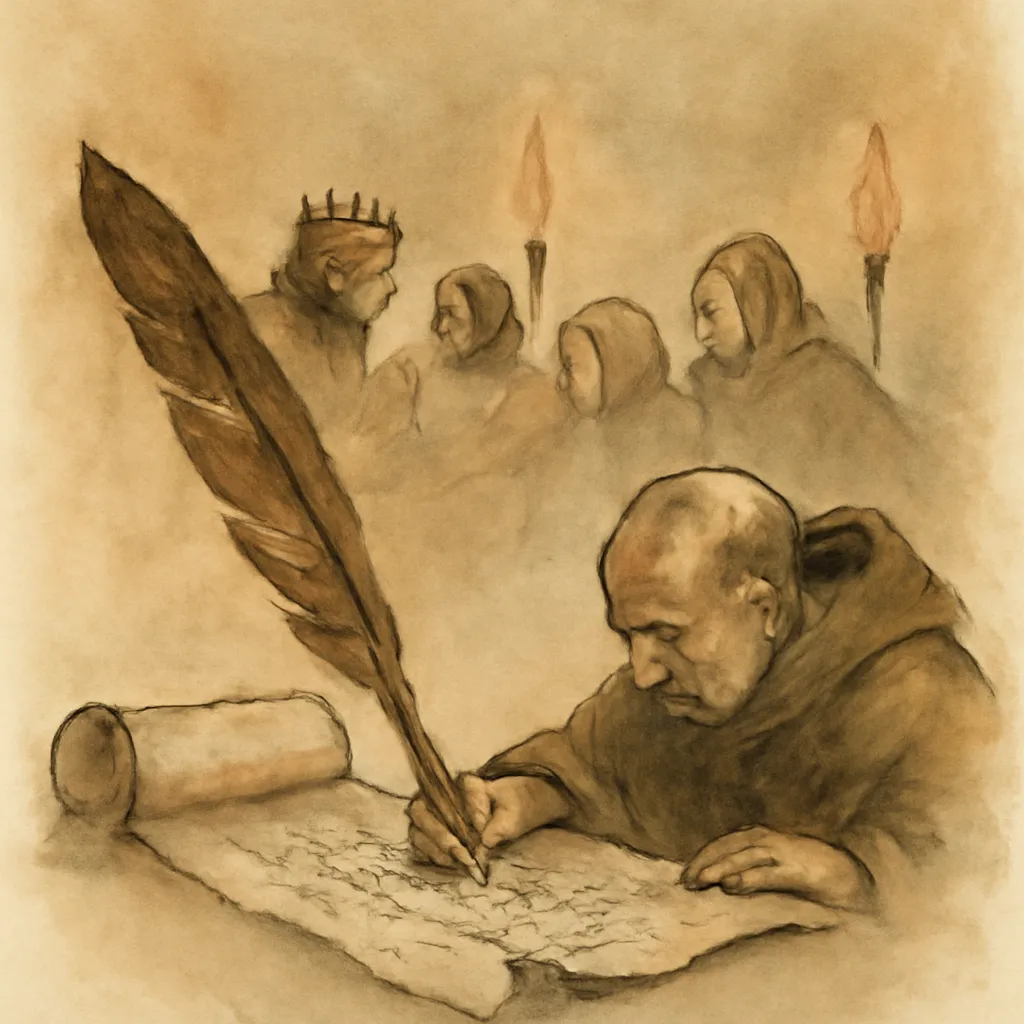
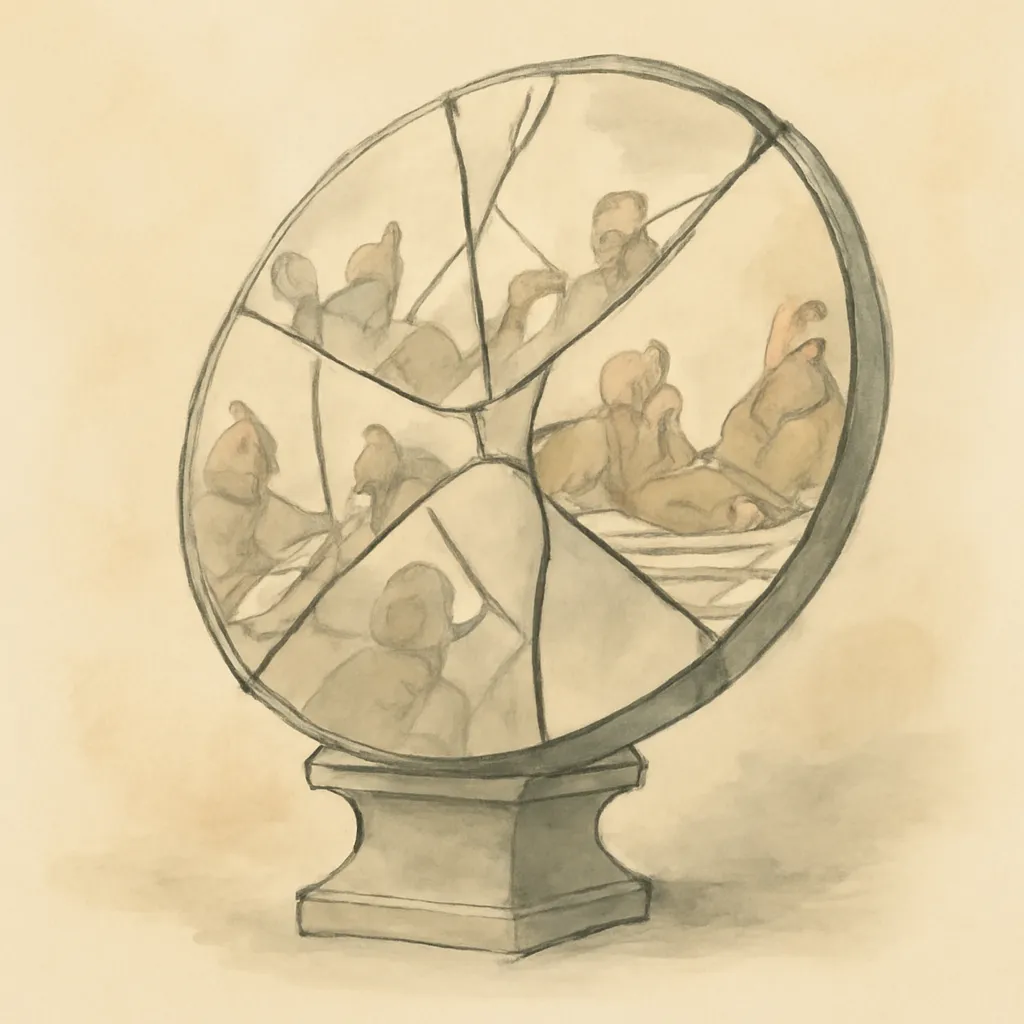
The Chronicle is less a neutral record and more a living document, shaped by the concerns and biases of its compilers. Written by monks and scholars under royal patronage, its entries reflect the priorities of rulers, the anxieties of invasions, and the shifting fortunes of kingdoms. This subjectivity makes it invaluable for understanding not just what happened, but how events were perceived and remembered.
2.The Evolution of English Identity
Across its centuries of entries, the Chronicle charts the gradual emergence of a unified English identity. Early annals focus on disparate kingdoms—Wessex, Mercia, Northumbria—while later entries increasingly speak of 'the English' as a people. This evolution mirrors the political unification of England and reveals how collective identity is forged through shared struggle and narrative.
3.Witness to Catastrophe and Resilience
The Chronicle is vivid in its accounts of Viking invasions, famines, plagues, and dynastic strife. Yet it also records moments of recovery and adaptation, from Alfred the Great’s reforms to the rebuilding after disasters. The text thus offers a meditation on resilience—how societies endure and adapt in the face of relentless upheaval.
4.The Power and Limits of Memory
As a blend of eyewitness testimony, oral tradition, and retrospective editing, the Chronicle exposes the fragility of historical memory. Some entries are detailed and immediate; others are vague, legendary, or even contradictory. This invites readers to consider how history is constructed, and how much is inevitably lost or reshaped over time.
5.Language in Transition
Spanning Old English to early Middle English, the Chronicle is also a record of linguistic change. Its evolving language reflects broader cultural shifts and the gradual melding of Anglo-Saxon and Norman influences. For linguists and literary historians, it’s a treasure trove illustrating how language both shapes and records identity.
6.The Chronicle as Political Tool
Commissioned and maintained by those in power, the Chronicle was not just a record but a tool for legitimizing rule. It traces royal genealogies, justifies conquests, and sometimes omits or glosses over inconvenient truths. This underscores the role of history-writing in constructing authority and shaping collective memory.