Fiction · Adventure · Short Reads
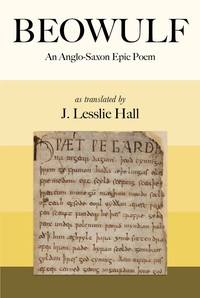
Beowulf by Anonymous — Summary, Key Ideas & Full Text
123 pages44 chapters2h 28m read1h 45m speed read✦ 8-min Big ideas★ 4.0 (4)Free · no account
Rate it
Beowulf: An Epic Tale of Heroism, Loyalty, and the Struggle Against Evil
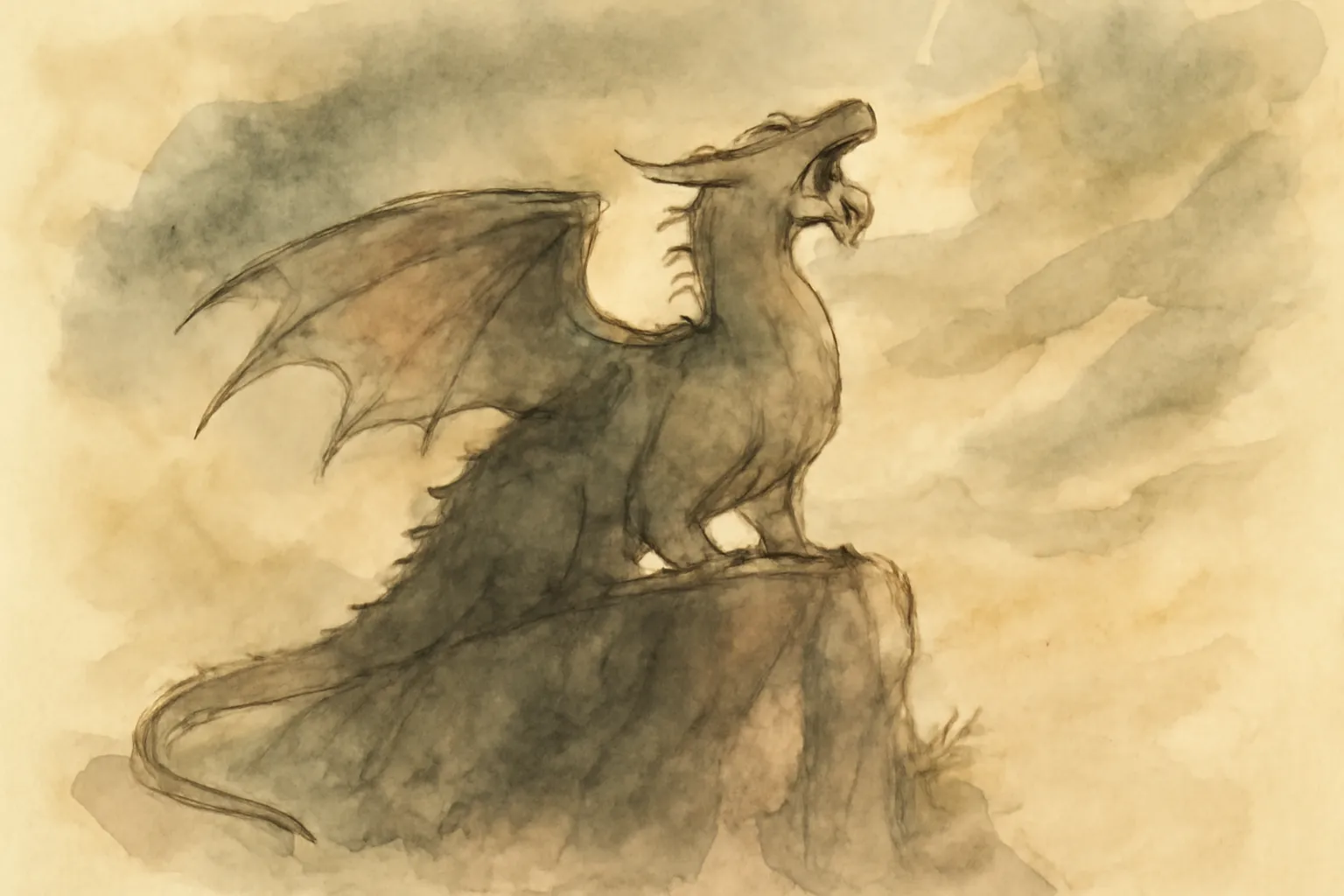
Beowulf, one of the most celebrated works of English literature, is a timeless epic that explores the themes of heroism, loyalty, and the eternal struggle between good and evil. Through the brave deeds of Beowulf, a Geatish warrior, the poem delves into the values of courage, honor, and the responsibilities of leadership. As Beowulf confronts formidable foes like Grendel and his mother, readers are taken on a journey that not only highlights the nature of heroism but also reflects on the fleeting nature of life and glory. This epic invites readers to reflect on the qualities that define a true hero and the moral complexities of revenge, loyalty, and fate in a world filled with chaos. Ultimately, Beowulf serves as a powerful reminder of the enduring human spirit and the legacies we leave behind.
Beowulf is more than just an epic tale of adventure; it is a profound exploration of the human condition, grappling with themes of heroism, loyalty, and the inevitability of death. The characters navigate a world fraught with moral complexities, where the lines between good and evil blur, and the consequences of their actions resonate through time. As Beowulf faces formidable foes and ultimately confronts his mortality, readers are invited to reflect on their own lives, the legacies they wish to leave, and the values that guide their choices. This timeless narrative continues to inspire and challenge audiences, reminding us that true heroism lies not only in great deeds but in the relationships we build and the impact we have on others. In a world that often feels chaotic and uncertain, the lessons of Beowulf remain relevant, encouraging us to strive for greatness while acknowledging the fragility of life.
Anonymous has 3 works free to read on Lumina, including Golden Moments: Bright Stories for Young Folks, Jokes For All Occasions: Selected and Edited by One of America's Foremost Public Speakers