1.The Hero's Journey Begins
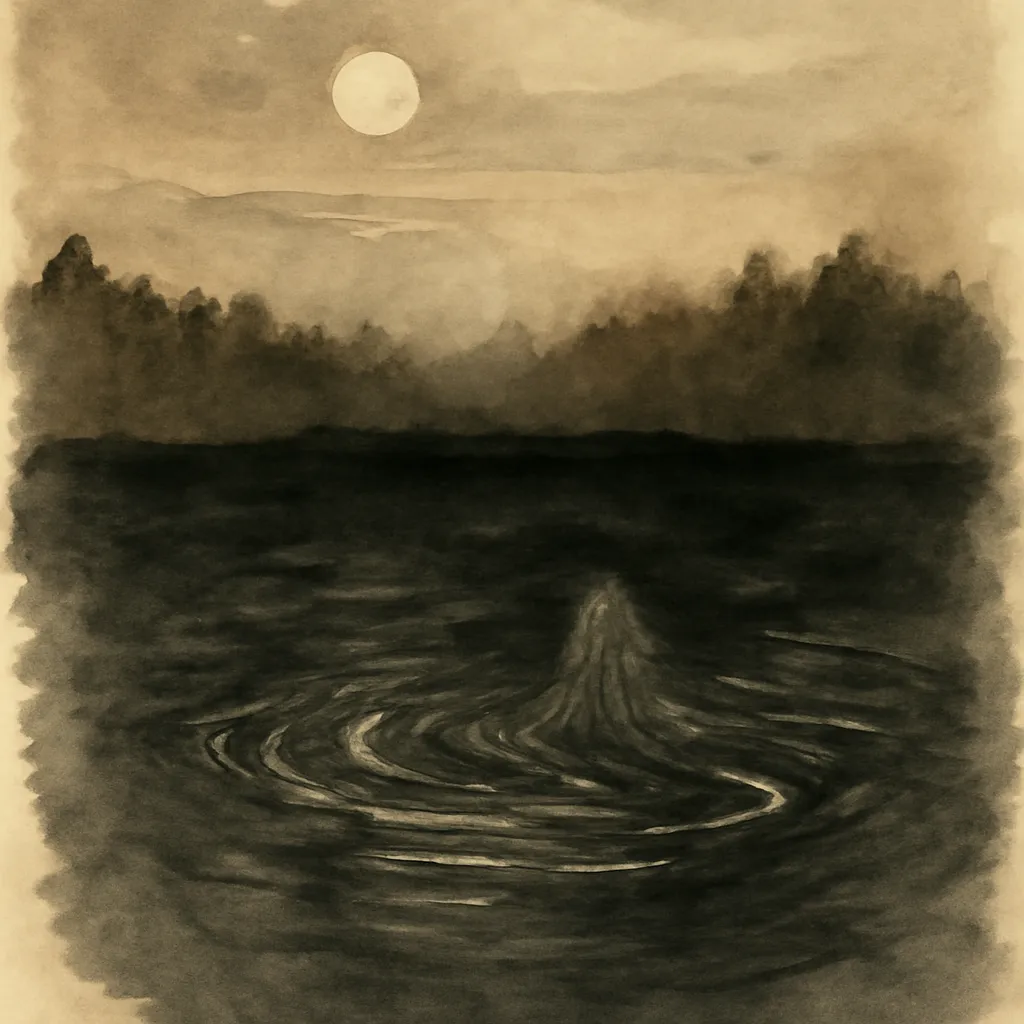
The epic opens with the story of Scyld, the revered king of the Spear-Danes, whose legacy sets the stage for future generations. Scyld's rise from a lonely orphan to a powerful ruler embodies the archetypal hero's journey, emphasizing themes of strength and leadership. After his death, his son Beowulf emerges as a beacon of hope for the Danes, who are tormented by the monster Grendel. This transition from Scyld to Beowulf highlights the importance of lineage and the expectations placed upon a hero. The narrative establishes that true heroism is not just about physical strength but also about the ability to inspire and protect one’s community, setting the tone for Beowulf's own quest for glory and honor.
2.Confronting Grendel: The Nature of Evil
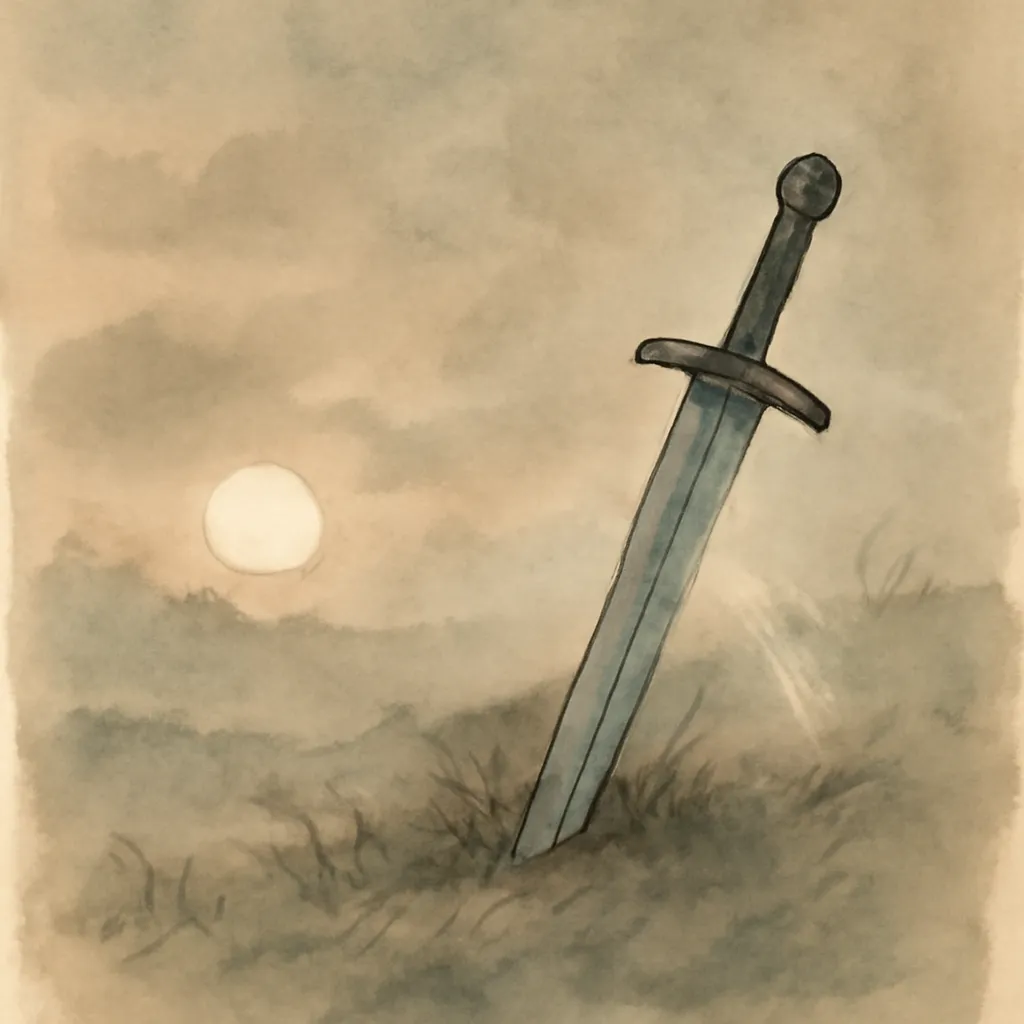
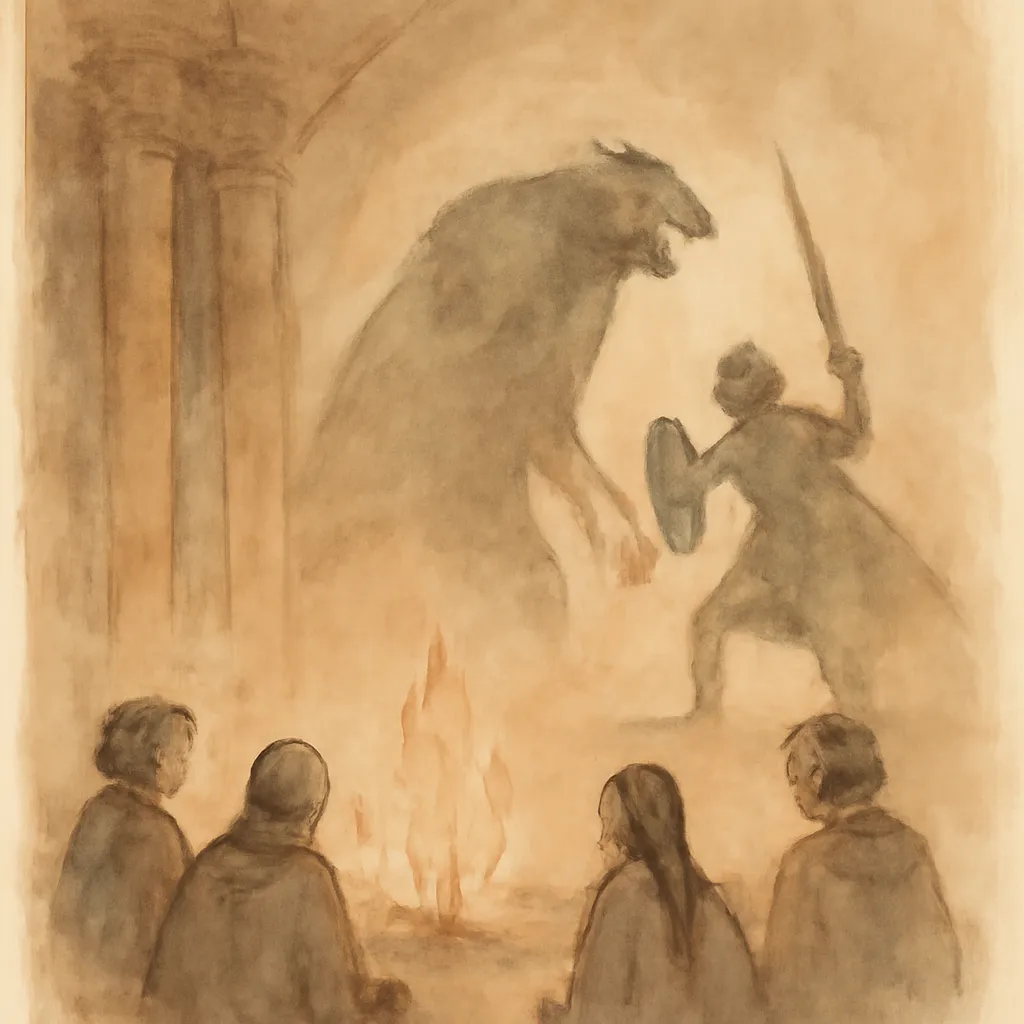
Grendel, the monstrous antagonist, represents the embodiment of evil and chaos threatening the order of society. His attacks on Hrothgar's mead hall, Heorot, symbolize the disruption of peace and harmony within the community. Beowulf's decision to confront Grendel without weapons reflects his unwavering confidence and the honor code of the warrior culture, which values bravery and fairness in combat. This battle is not merely a clash of strength; it is a moral confrontation with the forces that seek to destroy civilization. By choosing to fight Grendel unarmed, Beowulf showcases the ideals of courage and honor, reinforcing the notion that true heroism lies in self-sacrifice for the greater good.
3.The Hero's Strength and the Role of Fate
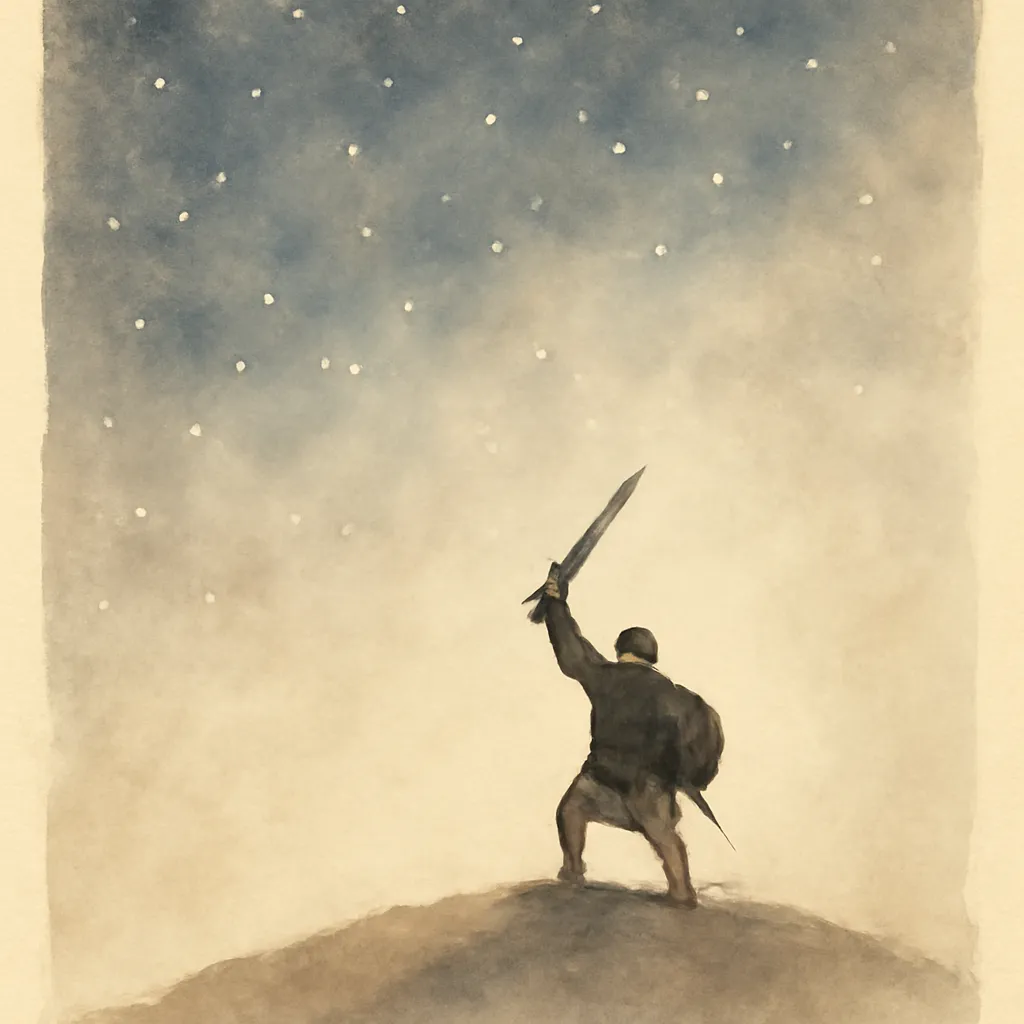
Throughout the epic, Beowulf's physical prowess is celebrated, as he is described as having the strength of thirty men. Yet, the poem also emphasizes the role of fate, or Wyrd, in determining the outcomes of battles and life itself. Beowulf acknowledges a higher power guiding his destiny, suggesting that even the strongest warriors are subject to forces beyond their control. This interplay between human agency and fate raises profound questions about the nature of heroism: Is it the hero’s strength that determines success, or is it the will of fate that ultimately governs the outcome? This theme resonates with readers, prompting reflection on how much control we truly have over our lives and destinies.
4.The Bonds of Loyalty and Kinship
Loyalty and kinship are central themes throughout Beowulf, reflecting the values of the warrior society. Beowulf's loyalty to Hrothgar, who once helped his father, illustrates the importance of familial ties and the duty to repay kindness and support. This sense of obligation is further emphasized in Beowulf's interactions with his own men, as he strives to protect and honor them in battle. The bonds between warriors are depicted as sacred, with loyalty serving as a foundation for strength in the face of adversity. This theme of loyalty extends beyond individual relationships; it encapsulates the collective identity of the community, reinforcing the idea that a hero's greatness is measured not only by personal valor but also by the strength of the alliances he forges.
5.Grendel's Mother: The Cycle of Revenge
After Beowulf defeats Grendel, the narrative takes a darker turn with the introduction of Grendel's mother, who seeks revenge for her son's death. This shift in focus underscores the cyclical nature of violence and the consequences of vengeance. Hrothgar’s lament for his fallen warriors illustrates the heavy toll that such cycles take on communities, emphasizing that revenge often leads to further bloodshed. Beowulf’s subsequent battle with Grendel’s mother reveals the complexities of heroism; while he is celebrated for his bravery, the act of killing becomes a source of moral ambiguity. The poem invites readers to consider the cost of revenge and the idea that true strength lies in breaking the cycle of violence rather than perpetuating it.
6.The Role of Women in Beowulf
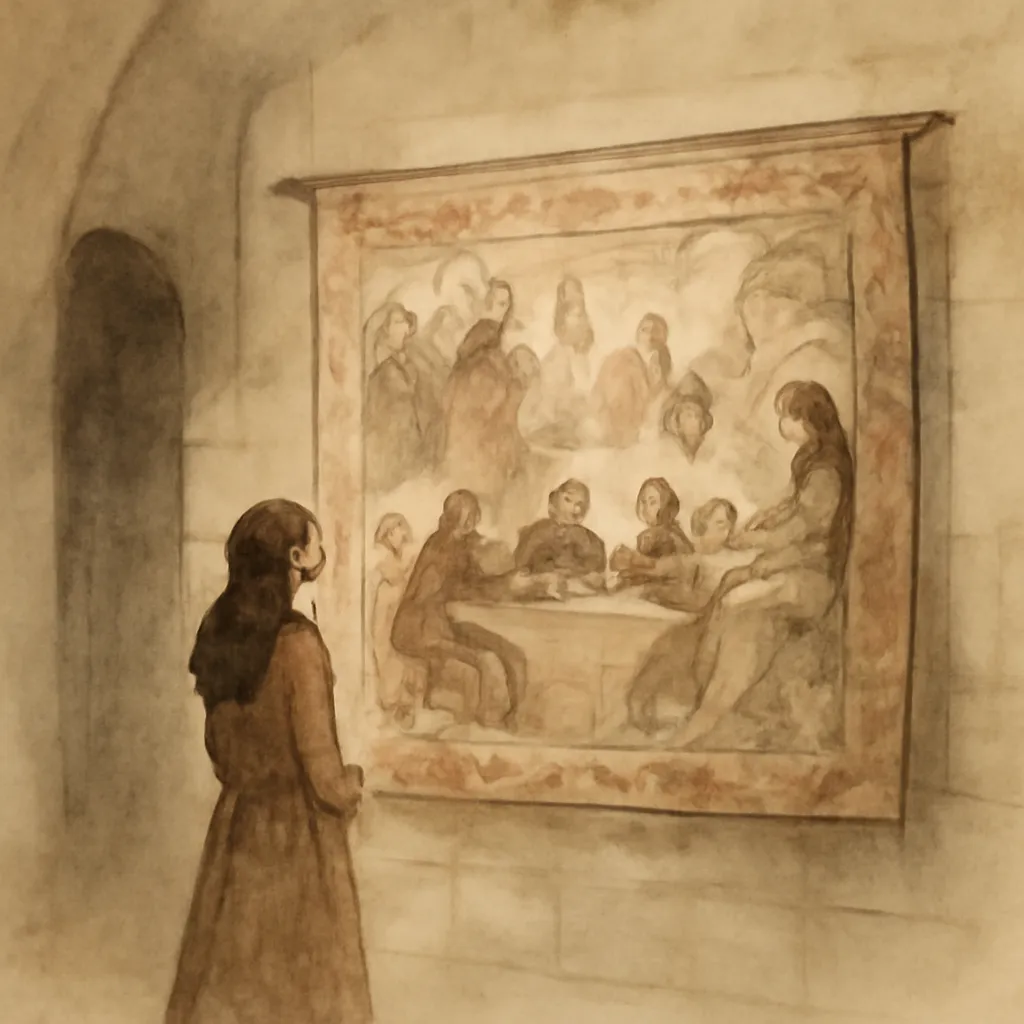
Though women in Beowulf are often relegated to the background, their roles are significant in shaping the narrative and reinforcing social values. Characters like Wealhtheow, Hrothgar’s queen, embody the ideals of loyalty and hospitality, serving as peace-weavers who maintain harmony within the hall. Their presence highlights the importance of female figures in a patriarchal society, suggesting that women play a vital role in the stability of social order. Furthermore, Grendel's mother challenges traditional gender roles, as she embodies both maternal vengeance and monstrous power. By examining the roles of women in the epic, readers gain insight into the societal structures of the time and the ways in which female characters influence the male-dominated narrative.
7.The Legacy of Beowulf: Heroism and Mortality
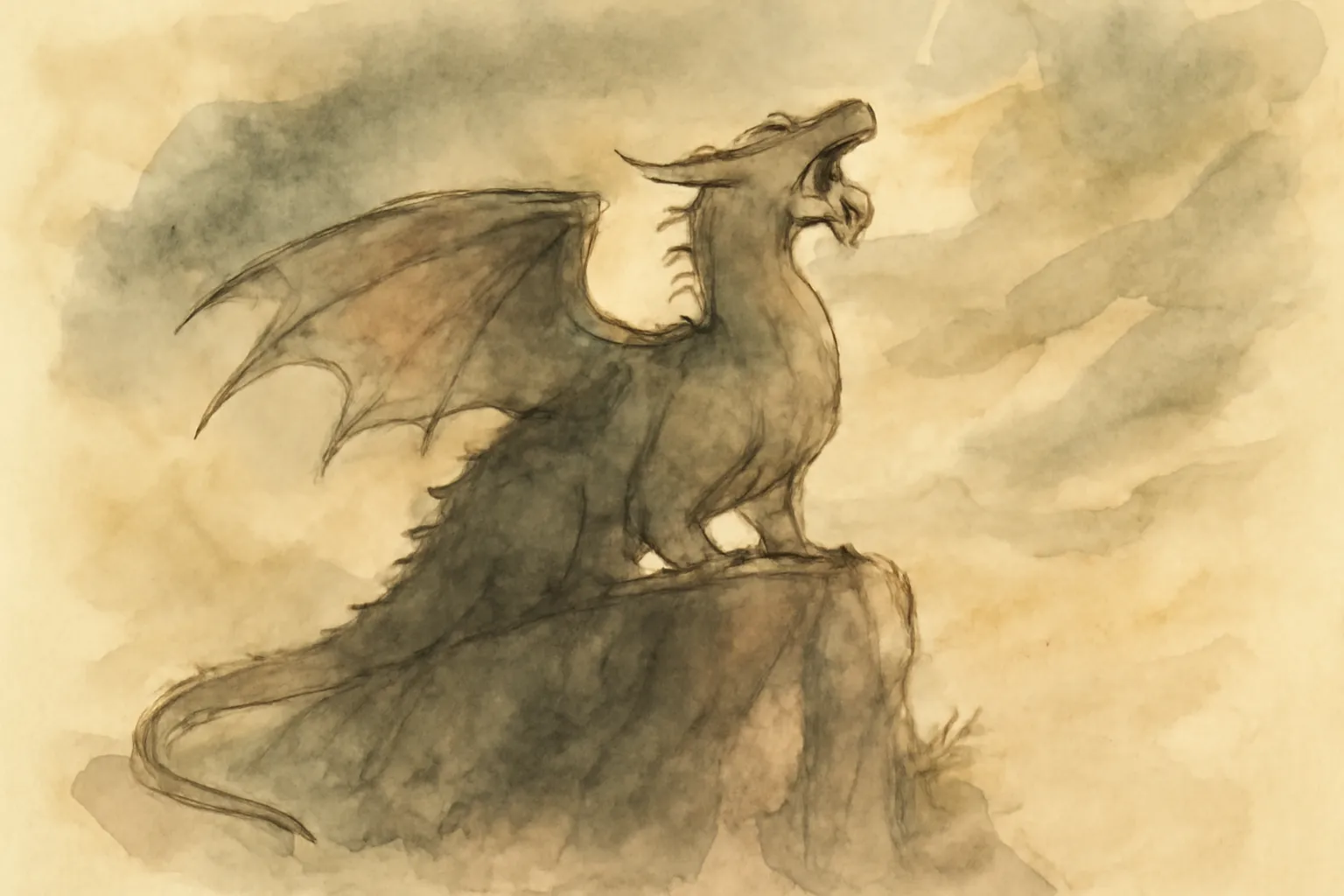
As the story progresses, Beowulf's transformation from a youthful warrior to a wise king illustrates the theme of mortality and the fleeting nature of glory. After ruling for fifty years, Beowulf faces a new threat in the form of a dragon, symbolizing the inevitability of death that looms over all heroes. His willingness to confront the dragon, despite knowing the risks, reflects a deep understanding of his legacy and the responsibilities of leadership. This final battle serves as a poignant reminder that heroism is not defined solely by victories but also by the willingness to face one’s mortality with courage. Beowulf’s death marks the end of an era, prompting reflections on how our actions and choices shape the legacies we leave behind.
8.The Poet's Voice: Themes of Fate and Divine Providence
The narrative voice of Beowulf often reflects on the themes of fate and divine providence, suggesting a world where human efforts are intertwined with the will of the gods. The poet emphasizes that while warriors may seek glory through their deeds, it is ultimately fate that determines their outcomes. This perspective invites readers to consider the relationship between humans and the divine, as well as the moral implications of their choices. The poem’s exploration of fate encourages a deeper understanding of the human condition, highlighting the balance between agency and destiny. By weaving these themes throughout the narrative, the poet elevates Beowulf’s tale beyond mere adventure, transforming it into a profound meditation on existence.
9.The Importance of Reputation and Memory
In the world of Beowulf, a warrior's reputation is paramount, shaping how they are perceived and remembered. The poem underscores the significance of fame and the desire to be remembered for one’s deeds, highlighting the cultural value placed on honor and legacy. Beowulf’s quest for glory is not just for personal gain but also for the sake of his people and future generations. This emphasis on memory serves as a driving force in the narrative, as characters strive to leave behind a lasting impact. The role of the scop, or bard, is essential in preserving these stories, illustrating the power of storytelling in shaping cultural identity and collective memory. Ultimately, the poem suggests that while life is transient, the stories we tell and the legacies we create endure.
10.The Epic's Enduring Relevance
Beowulf's themes of heroism, loyalty, and the struggle against evil continue to resonate with contemporary audiences. The epic serves as a reflection of the human experience, exploring timeless questions about morality, the nature of good and evil, and the complexities of leadership. In an age marked by conflict and uncertainty, Beowulf’s journey offers insights into the qualities that define true heroism, inviting readers to reflect on their own lives and the values they uphold. The poem's exploration of mortality serves as a reminder of our shared humanity and the legacies we leave behind. As modern readers engage with Beowulf, they find not only an ancient tale of adventure but also a profound commentary on the enduring nature of the human spirit.